Retaining Wall Removal: Complete Guide to Safe and Effective Demolition
Retaining wall removal is a complex process that requires careful planning, proper tools, and an understanding of structural integrity. Whether you are replacing an old wall, renovating your outdoor space, or addressing safety issues, knowing the correct techniques for demolition is crucial. This guide provides a detailed overview of retaining wall removal, from preparation and safety considerations to real-world examples and frequently asked questions.
Understanding Retaining Wall Removal
Retaining walls are built to resist soil pressure and prevent erosion. Over time, however, they may deteriorate due to poor drainage, material aging, or shifting foundations. When this happens, removal becomes necessary. Retaining wall removal is not as simple as tearing down a structure; it involves identifying load-bearing conditions, ensuring soil stability, and executing the process without causing damage to surrounding areas.
Why Retaining Wall Removal May Be Necessary
There are several reasons homeowners or contractors decide to remove a retaining wall:
Structural Failure
When a retaining wall shows signs of leaning, bulging, or cracking, it often indicates underlying structural problems. These failures may stem from inadequate drainage or poor construction methods. Removal is often the safest option before replacing the wall with a stronger design.
Renovation and Landscaping Projects
Property owners frequently remove retaining walls as part of landscaping renovations. For example, redesigning a backyard or creating an open outdoor living space may require demolishing an outdated wall.
Safety Concerns
Old or damaged retaining walls can pose serious safety hazards. Falling debris, soil erosion, or sudden collapse may threaten both property and personal safety. Removing and replacing such walls helps eliminate these risks.
Preparation Before Retaining Wall Removal
Before demolition begins, several preparatory steps should be taken to ensure the process runs smoothly and safely.
Site Assessment
Conduct a full inspection of the wall and the surrounding area. Identify any utility lines, drainage systems, or nearby structures that could be affected during removal.
Gathering the Right Tools
Tools commonly used for retaining wall removal include sledgehammers, demolition saws, jackhammers, wheelbarrows, and excavators for larger walls. The choice of tools depends on the size and materials of the wall.
Safety Precautions
Proper protective gear, such as gloves, safety glasses, steel-toe boots, and a helmet, is mandatory. Dust masks or respirators may also be needed if cutting or breaking stone, brick, or concrete.
Step-by-Step Guide to Retaining Wall Removal
Step 1: Clear the Surrounding Area
Before starting, clear vegetation, furniture, and loose debris near the wall. This creates a safe working zone and prevents damage to nearby property.
Step 2: Assess Drainage and Soil Conditions
Check for water buildup or poor drainage around the wall. Addressing these issues before removal prevents soil erosion or landslides once the wall is gone.
Step 3: Begin Demolition from the Top
Retaining wall removal should start from the top layers, working down gradually. This prevents sudden collapses and maintains control over soil displacement.
Step 4: Handle Soil Carefully
As the wall is removed, temporary support may be needed to hold back soil. Tarps, wooden braces, or even temporary barriers can help prevent soil from collapsing onto the work area.
Step 5: Dispose of Materials Properly
Concrete, stone, and wood materials should be disposed of according to local regulations. Recycling centers often accept concrete and stone for repurposing.
Technology and Tools in Retaining Wall Removal
Modern tools and technology make retaining wall removal safer and more efficient.
Hydraulic Jackhammer
A hydraulic jackhammer is commonly used to break down thick concrete retaining walls. Its powerful impact reduces manual labor and speeds up the demolition process significantly.
Mini Excavator
A mini excavator provides both demolition power and soil management. It can remove heavy stone blocks and also assist in relocating soil after wall removal.
Concrete Saw
A concrete saw is essential for precise cutting during demolition. It allows contractors to section walls into manageable pieces, ensuring safer removal.
Real-World Examples of Retaining Wall Removal
Residential Concrete Retaining Wall

A homeowner needed to remove a cracked concrete retaining wall in their backyard. The process involved using a jackhammer and wheelbarrows for manual removal. Once cleared, the soil was temporarily braced with wooden boards until a new wall was constructed. The removal improved drainage and eliminated safety risks.
Stone Retaining Wall on Sloped Property
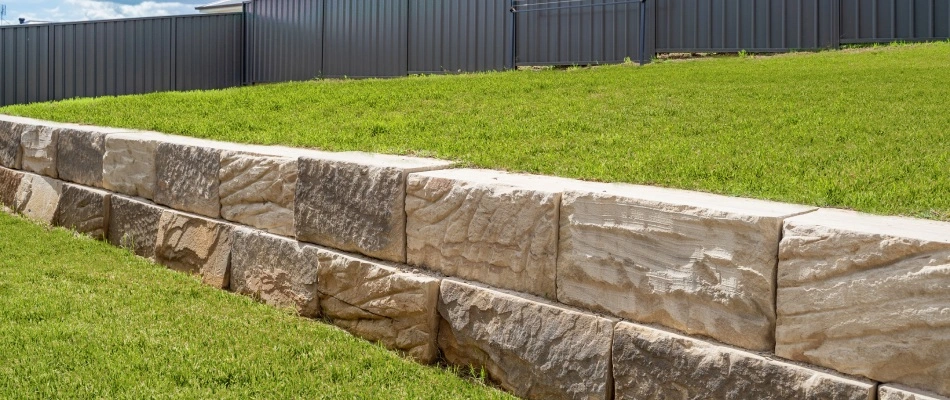
In this case, an old stone retaining wall was removed from a sloped garden. A mini excavator was used to carefully dismantle the stones and manage soil displacement. The project highlighted the importance of controlling erosion and stabilizing the slope during demolition.
Large Commercial Retaining Wall
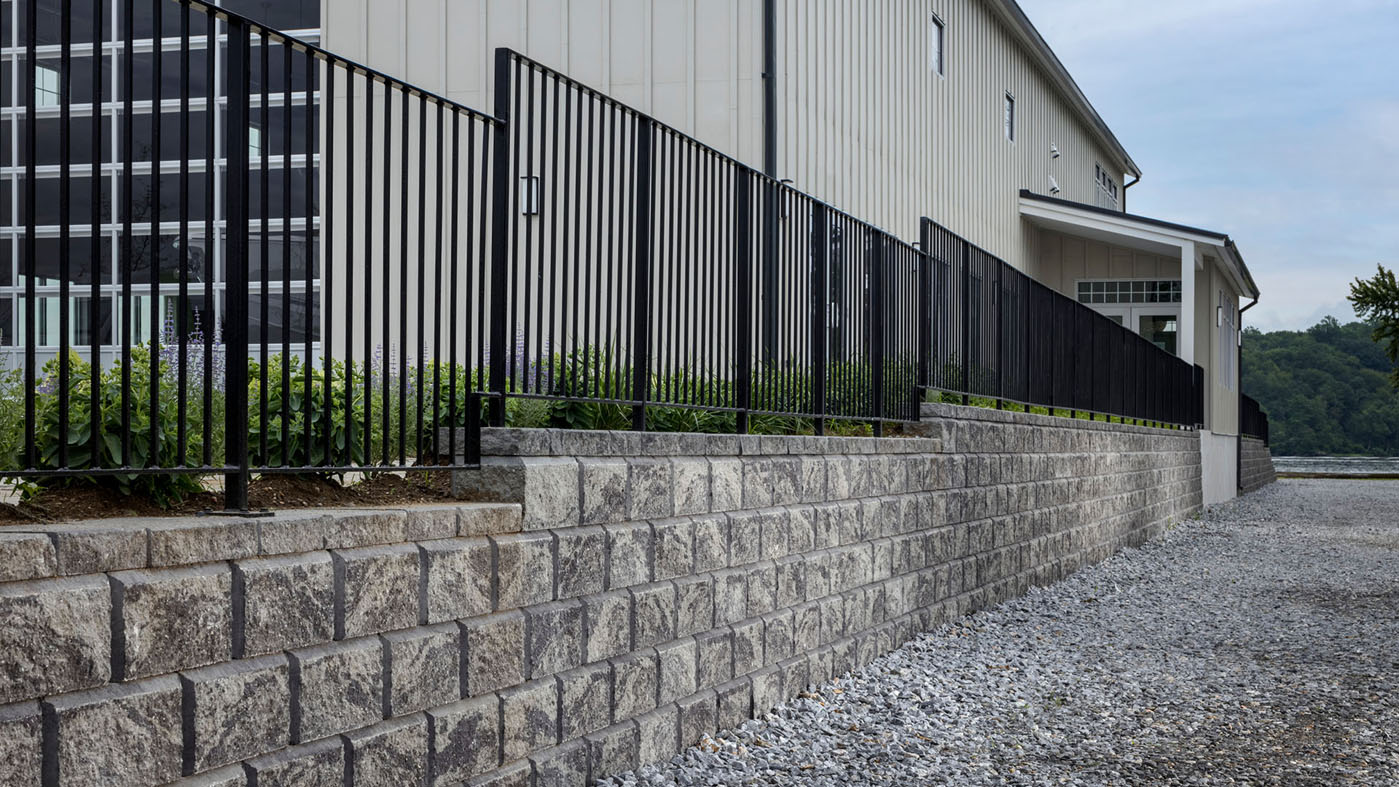
A commercial property required the removal of a massive retaining wall to expand the parking space. Contractors employed hydraulic breakers and dump trucks to remove debris efficiently. Temporary barriers were installed to prevent soil collapse. The removal allowed for safer construction of new infrastructure.
Timber Retaining Wall Replacement
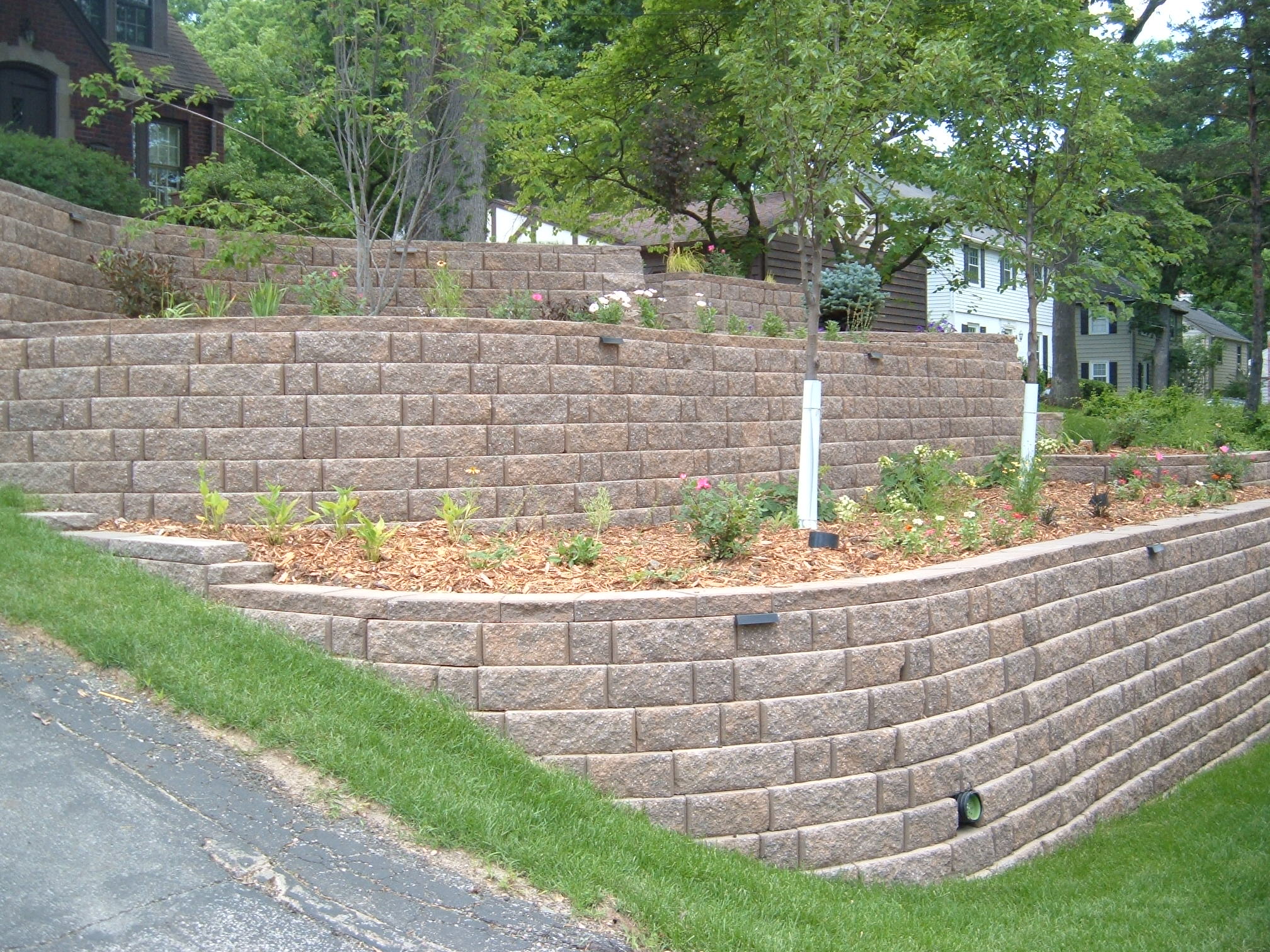
Timber walls often deteriorate faster than stone or concrete. In this scenario, a timber retaining wall was removed by cutting sections with a demolition saw. The lightweight material allowed for easier handling, but soil reinforcement was still essential until the replacement wall was built.
Benefits of Proper Retaining Wall Removal
Enhanced Safety
Removing damaged or unstable walls eliminates risks of collapse and injury. It ensures that surrounding properties remain secure during the process.
Improved Soil Management
Proper wall removal includes soil stabilization, which prevents erosion and maintains landscape integrity.
Better Landscaping Opportunities
By removing old retaining walls, homeowners and businesses gain flexibility to redesign outdoor spaces according to new needs.
Environmental Considerations
Recycling concrete, stone, or timber from old walls reduces environmental waste and supports sustainable construction practices.
Common Use Cases for Retaining Wall Removal
Residential Renovations
Homeowners often remove walls to create more open spaces, redesign backyards, or replace deteriorating structures with modern alternatives.
Infrastructure Projects
In urban developments, removing retaining walls can make way for road expansions, parking areas, or new building foundations.
Emergency Repairs
Sometimes retaining walls fail suddenly due to weather events or soil instability. Emergency removal may be required to prevent accidents or property damage.
Frequently Asked Questions
1. How long does retaining wall removal take?
The timeline depends on the size, material, and location of the wall. Small residential walls may take a few hours, while large commercial walls can require several days.
2. Do I need permits for retaining wall removal?
In many areas, permits are required for structural demolition. It is important to check local building codes before beginning the process.
3. Can I remove a retaining wall myself?
Professionals should handle larger concrete walls or walls that support heavy loads to ensure safety.