Native Plant Landscapers: Complete Guide to Eco-Friendly Landscaping with Real Examples
Native plant landscapers specialize in designing and maintaining landscapes that use plants indigenous to a specific region. These professionals understand the ecological benefits of working with nature instead of against it. By using plants that have evolved to thrive in local conditions, native plant landscaping creates sustainable, low-maintenance, and resilient outdoor spaces.
Unlike traditional landscaping approaches that often rely on exotic plants and chemical fertilizers, native plant landscaping emphasizes natural beauty, ecological balance, and long-term sustainability. It is increasingly popular among homeowners, businesses, and municipalities looking for eco-friendly solutions that conserve water, support pollinators, and enhance biodiversity.
Why Native Plant Landscapers Matter
Native plant landscapers bring specialized knowledge to the table. They not only design aesthetically pleasing gardens but also consider ecological factors such as soil health, local climate, and wildlife support. This expertise ensures that outdoor spaces become functional ecosystems, not just decorative yards.
Their role is crucial in reducing environmental impact. For instance, native plants typically require less irrigation, fewer chemical inputs, and lower maintenance. This saves time and money while benefiting the environment. By working with landscapers who focus on native species, property owners contribute to healthier ecosystems and long-lasting beauty in their outdoor spaces.
Core Benefits of Working with Native Plant Landscapers
Sustainability and Environmental Balance
One of the biggest advantages is ecological sustainability. Native plant landscapers choose species that naturally adapt to local rainfall and soil. This reduces the need for excessive watering, fertilizers, and pesticides. As a result, landscapes require fewer resources and provide a balanced habitat for pollinators, birds, and beneficial insects.
Additionally, these landscapes reduce stormwater runoff and soil erosion. Since native plants often have deep root systems, they improve soil structure and enhance water absorption, preventing flooding and erosion.
Cost-Effective Landscaping Solutions
Working with native plant landscapers is also cost-efficient over time. While the initial design and planting process may seem similar in cost to traditional landscaping, long-term maintenance expenses are much lower. Homeowners save on water bills, fertilizers, and pesticide applications. Moreover, because native plants thrive naturally in local climates, they are more resilient to diseases and require less replacement.
Supporting Local Wildlife and Biodiversity
Native plants provide food and shelter for local wildlife. Landscapers who specialize in this practice create spaces where butterflies, bees, and birds thrive. This strengthens the natural ecosystem and promotes biodiversity. In turn, homeowners enjoy vibrant gardens alive with movement and color.
Real-World Examples of Native Plant Landscaping
Prairie-Style Residential Yard
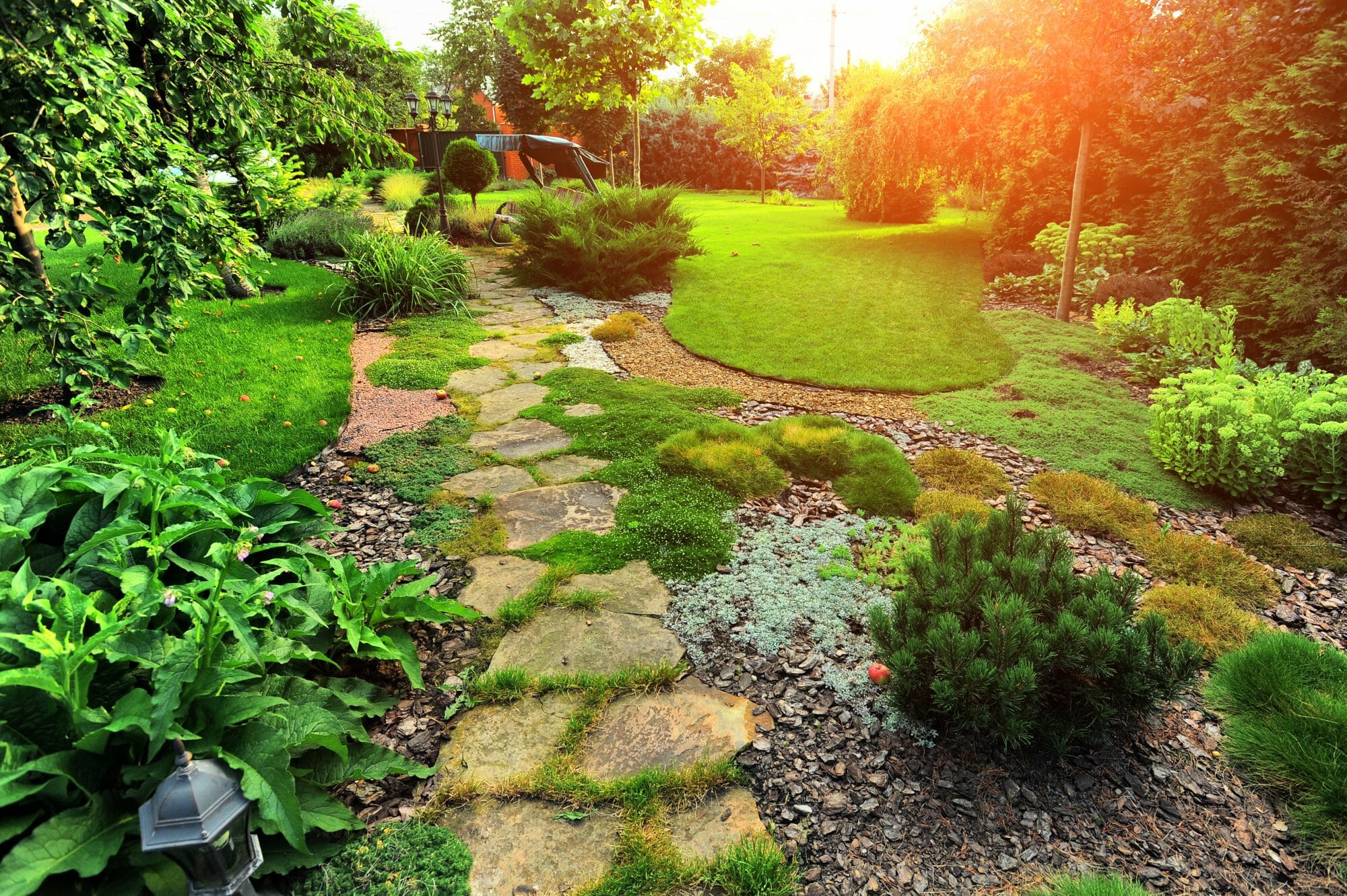
A homeowner in the Midwest transformed their traditional turf lawn into a prairie-inspired garden using the expertise of native plant landscapers. The landscapers selected species such as coneflowers, bluestem grasses, and milkweed to create a low-maintenance, colorful garden that thrives year-round.
The result was a vibrant ecosystem that attracted butterflies, bees, and songbirds. The deep roots of the grasses improved soil quality and reduced water usage by over 50%. Maintenance dropped significantly compared to the previous lawn, saving both time and money.
Corporate Office Eco-Friendly Campus
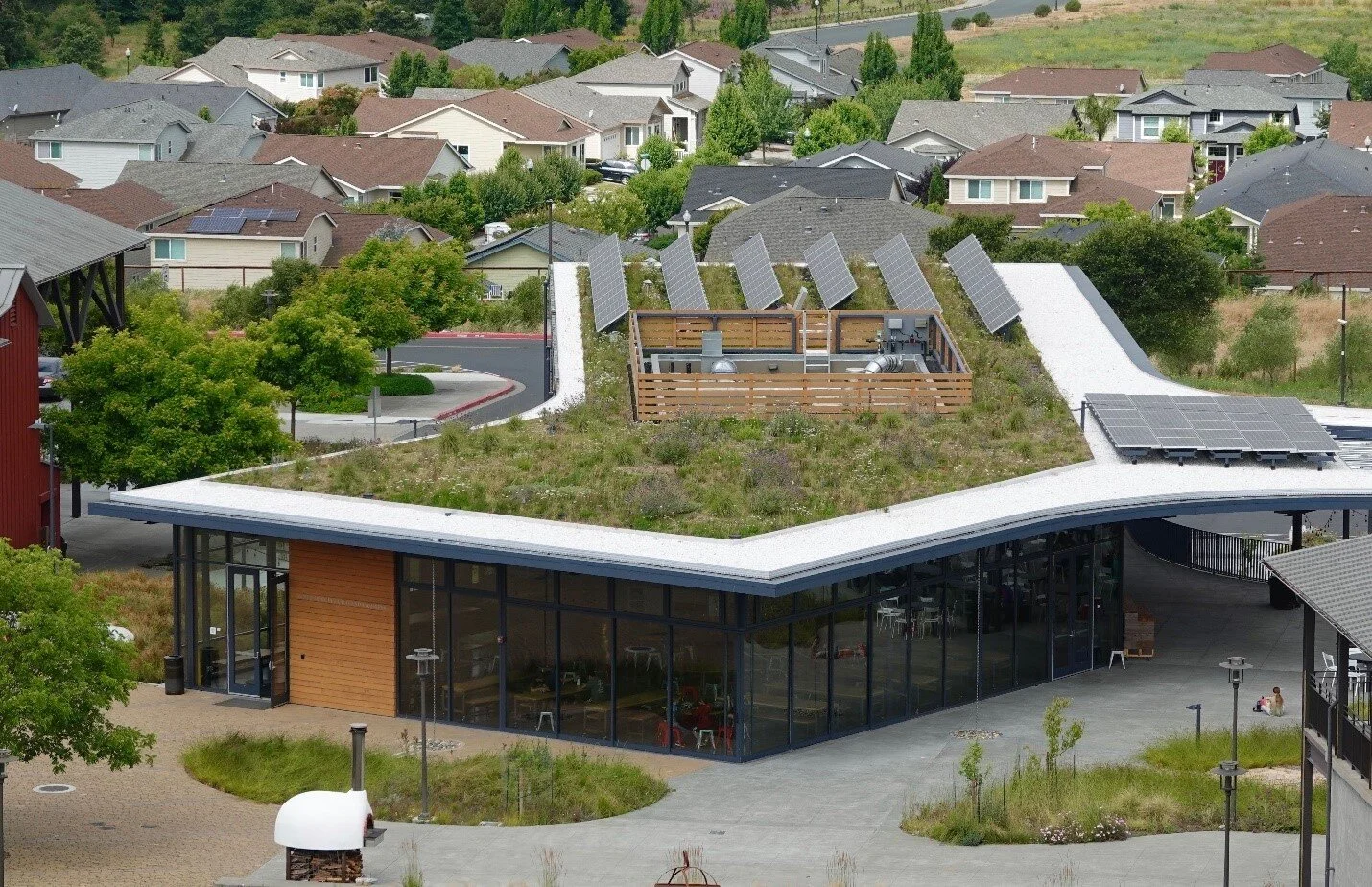
A corporate office in California hired native plant landscapers to redesign their outdoor campus. The goal was to reduce irrigation costs while creating a welcoming environment for employees and visitors. Landscapers planted drought-resistant native grasses, oak trees, and flowering shrubs.
This not only reduced water use but also created shaded outdoor areas that employees now use for breaks and meetings. The company reported a noticeable reduction in maintenance costs and improved employee satisfaction due to the greener, healthier work environment.
Urban Park Restoration Project

In a city restoration project, native plant landscapers worked with the local government to rehabilitate an urban park. The area was previously overrun with invasive species and required constant maintenance. By reintroducing native wetland plants and wildflowers, landscapers revitalized the space.
The restored park now supports pollinators, migratory birds, and local wildlife. Residents enjoy walking trails surrounded by vibrant native plants that require minimal upkeep. The transformation highlighted how native landscaping can improve urban environments while fostering community engagement.
Schoolyard Native Garden
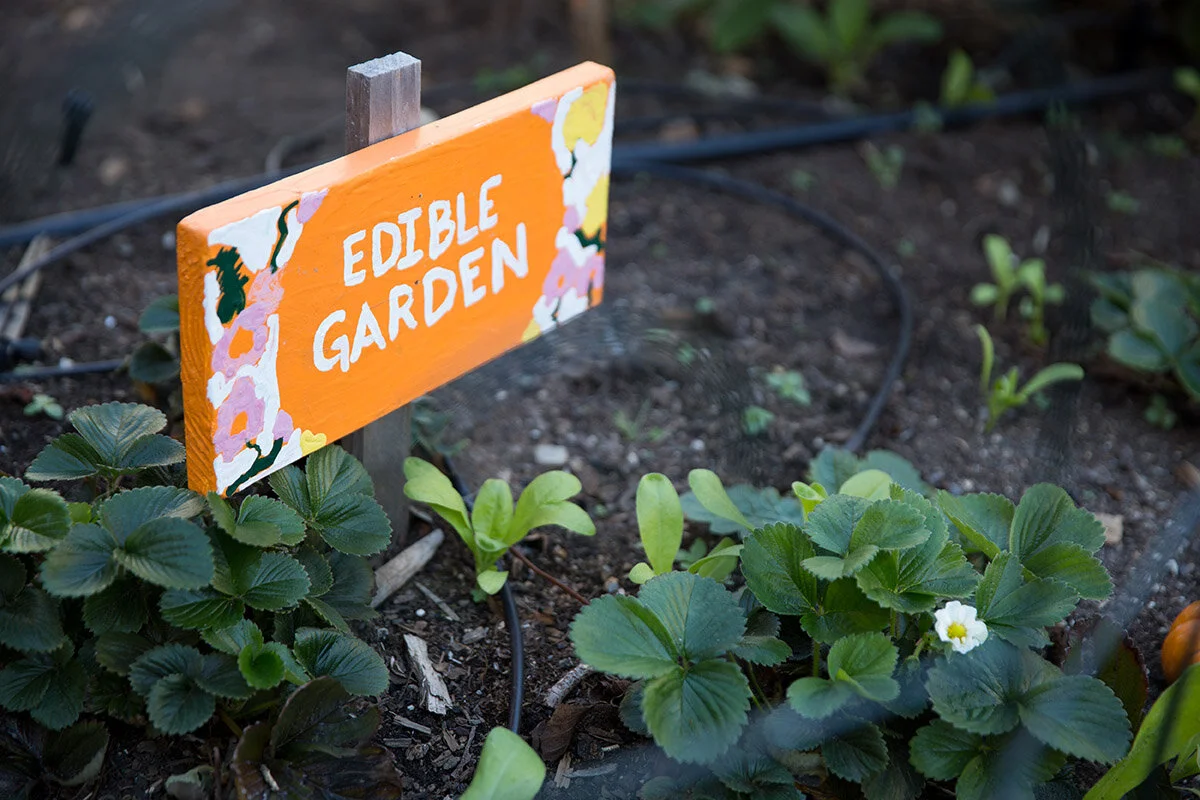
At a public elementary school, landscapers designed a native plant garden as an educational space for students. Teachers use the garden to teach ecology, biology, and sustainability. The landscaping included wildflowers, shrubs, and grasses native to the region.
The project provided both ecological benefits and educational opportunities. Students now witness firsthand the role of pollinators and the importance of biodiversity. This use case demonstrates how native landscaping can serve both functional and educational purposes.
Use Cases: Where Native Plant Landscapers Make a Difference
Residential Properties
Homeowners looking to reduce water bills, cut maintenance costs, and support local wildlife benefit significantly from hiring native plant landscapers. By converting lawns into sustainable gardens, they gain beautiful, resilient landscapes that align with eco-friendly values.
Commercial and Corporate Spaces
Businesses can improve their corporate image and reduce landscaping costs by working with native plant professionals. Landscaped campuses not only save money but also enhance employee well-being and attract environmentally conscious clients.
Public and Educational Spaces
Schools, parks, and municipalities gain long-term ecological and educational advantages by using native plant landscaping. These spaces become living classrooms and vibrant community areas, teaching sustainability through real-world examples.
Urban Environments
Cities combat issues such as flooding, heat islands, and poor air quality by integrating native plant landscapes. Native species cool urban areas, absorb rainwater, and purify the air, making cities healthier and more livable.
The Future of Native Plant Landscaping
As climate change and water scarcity become pressing issues, the importance of native plant landscapers will only grow. Their expertise in designing sustainable, eco-friendly landscapes positions them as leaders in the landscaping industry’s future. From residential backyards to urban planning, native landscaping represents a shift toward ecological balance and responsible design.
Frequently Asked Questions
1. What is the difference between traditional landscapers and native plant landscapers?
Traditional landscapers often use non-native plants that require more water and chemical inputs. Native plant landscapers specialize in using plants indigenous to the local area, which are naturally adapted to the climate and support local ecosystems.
2. Do native plant landscapes require less maintenance?
Yes. Native plants generally require less water, fertilizer, and pest control because they are adapted to local conditions. This means lower maintenance costs and healthier landscapes over time.
3. Can native plant landscaping work in small yards or urban areas?
Absolutely. Native plant landscapers can design gardens for any space, whether large suburban yards or small urban balconies. They select species that fit the scale while still providing ecological and aesthetic benefits.