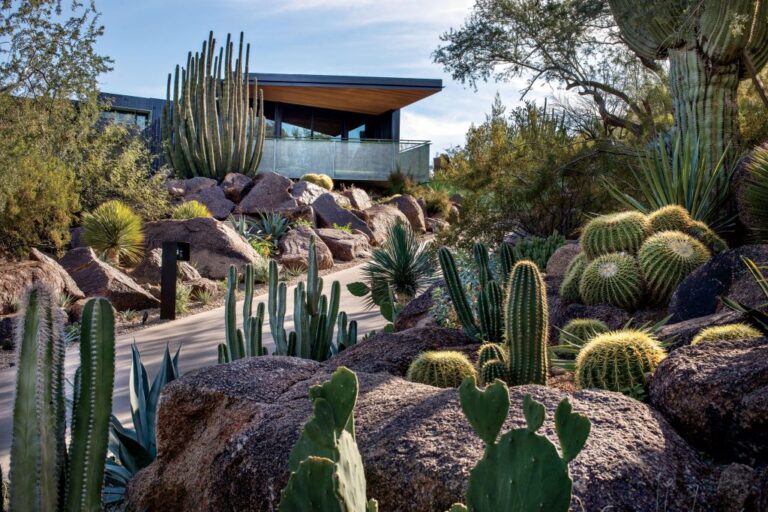
Drought Tolerant Backyard Ideas: Complete Guide for a Sustainable Outdoor Space
Designing a backyard that thrives in dry conditions has become an essential landscaping trend across the globe. Whether you live in regions prone to drought or simply want to reduce water usage, a drought-tolerant backyard can provide beauty, functionality, and sustainability. By blending smart landscaping techniques, native plants, and eco-friendly design, homeowners can create spaces that flourish with minimal irrigation.
This guide explores everything you need to know about drought-tolerant backyards—from landscape planning and plant choices to real-world examples and practical benefits.
What Does a Drought-Tolerant Backyard Mean?
A drought-tolerant backyard is a landscape design that reduces water consumption without sacrificing beauty or usability. Unlike traditional lawns that require constant watering, drought-tolerant backyards rely on native plants, xeriscaping techniques, and water-efficient features.
Instead of struggling to keep thirsty grass alive, homeowners can design outdoor spaces that thrive naturally in their local climate. The result is a low-maintenance, eco-conscious backyard that remains vibrant even in prolonged dry spells.
Key Principles of Drought-Tolerant Backyard Design
Focus on Native and Adaptive Plants
Native plants are naturally suited to the climate and require far less water than exotic varieties. Choosing drought-resistant shrubs, perennials, and grasses reduces the need for constant irrigation while maintaining greenery and seasonal interest.
Implement Xeriscaping Techniques
Xeriscaping is a landscaping method designed to minimize water use. It involves strategic plant placement, mulching, and soil management to retain moisture. The principle is simple: design smartly, water sparingly, and let nature do most of the work.
Replace Traditional Lawns
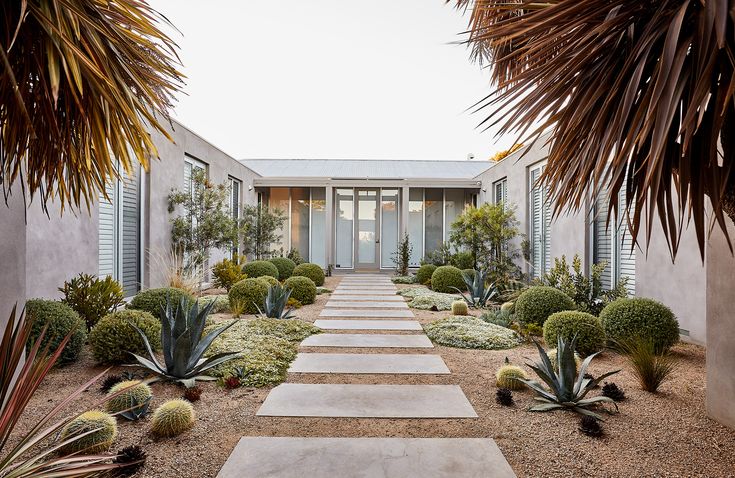
Lawns consume a significant amount of water. By replacing turf with gravel, mulch, artificial turf, or low-water ground covers, homeowners can cut water use dramatically while maintaining a stylish outdoor space.
Real-World Examples of Drought-Tolerant Backyard Features
Native Plant Garden
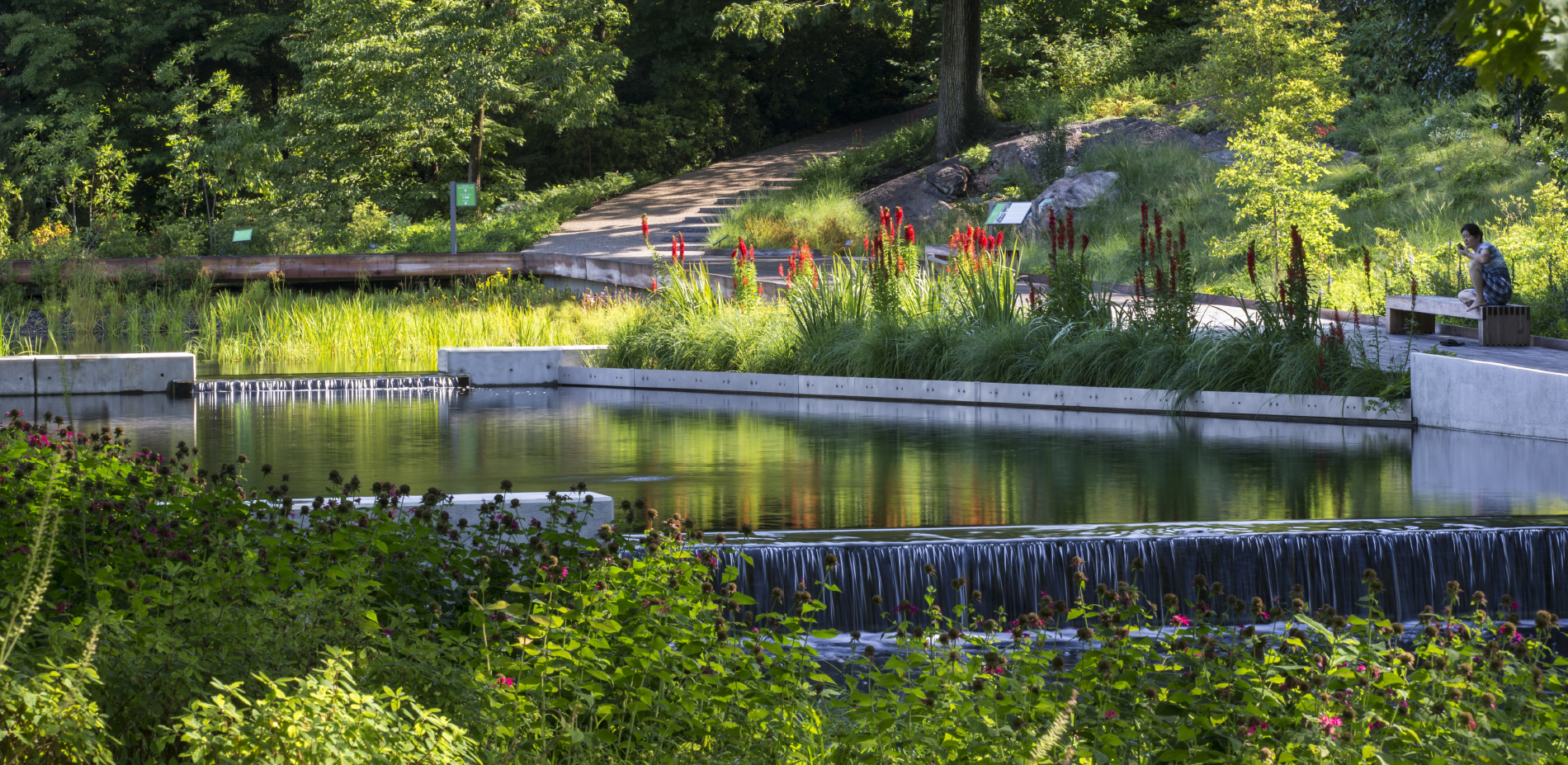
A native plant garden transforms your backyard into a low-maintenance ecosystem. Plants such as lavender, sage, and ornamental grasses provide seasonal color while thriving in low-water conditions. Not only do these plants conserve water, but they also support pollinators like bees and butterflies.
Native gardens reduce the dependency on fertilizers and pesticides. Their deep root systems help stabilize soil, reducing erosion during occasional rains. A backyard filled with native plants becomes a self-sustaining sanctuary that requires little intervention once established.
Drip Irrigation System
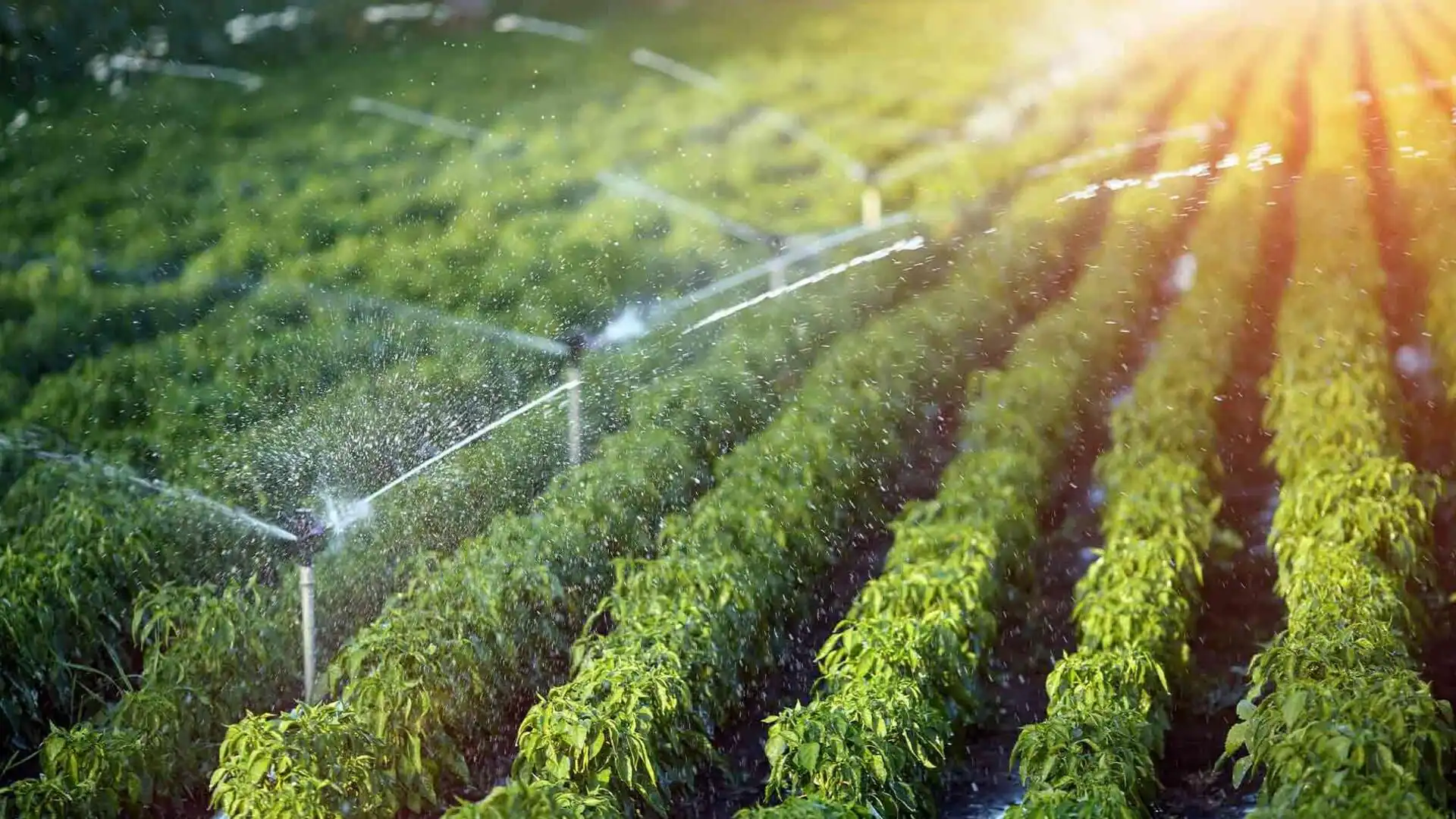
A drip irrigation system delivers water directly to plant roots with minimal waste. Unlike sprinklers that lose water to evaporation and runoff, drip irrigation provides targeted hydration where it’s needed most.
This technology is particularly useful in drought-tolerant backyards because it allows for precise water control. Homeowners can schedule watering cycles efficiently, reducing overall consumption while ensuring plants remain healthy. The result is a cost-effective solution that balances sustainability with plant vitality.
Permeable Hardscaping
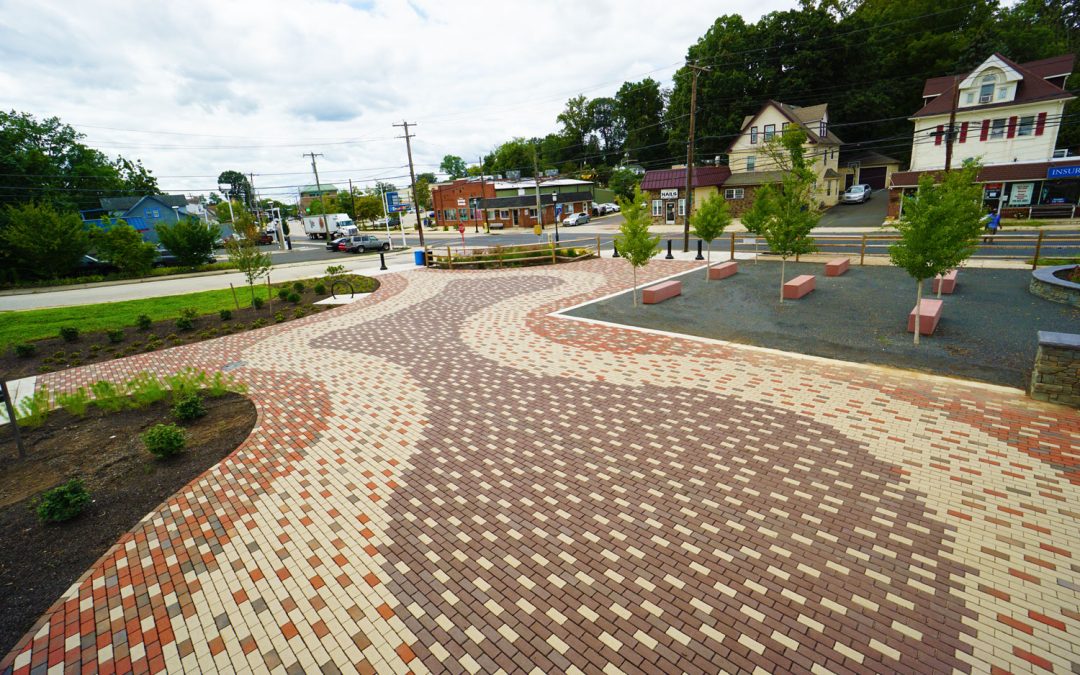
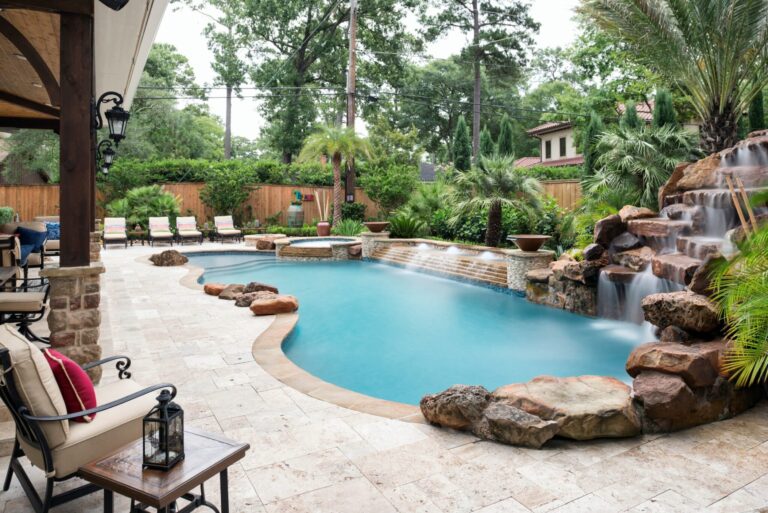
Hardscaping elements like stone walkways, permeable pavers, and gravel patios add structure to your backyard while supporting water conservation. Unlike concrete, permeable materials allow rainwater to seep into the soil, replenishing groundwater instead of creating runoff.
This technique works beautifully alongside drought-tolerant plantings. It enhances aesthetics while promoting eco-friendly drainage. A backyard featuring stone borders, gravel seating areas, and pathways provides both style and sustainability.
Rainwater Harvesting Barrels
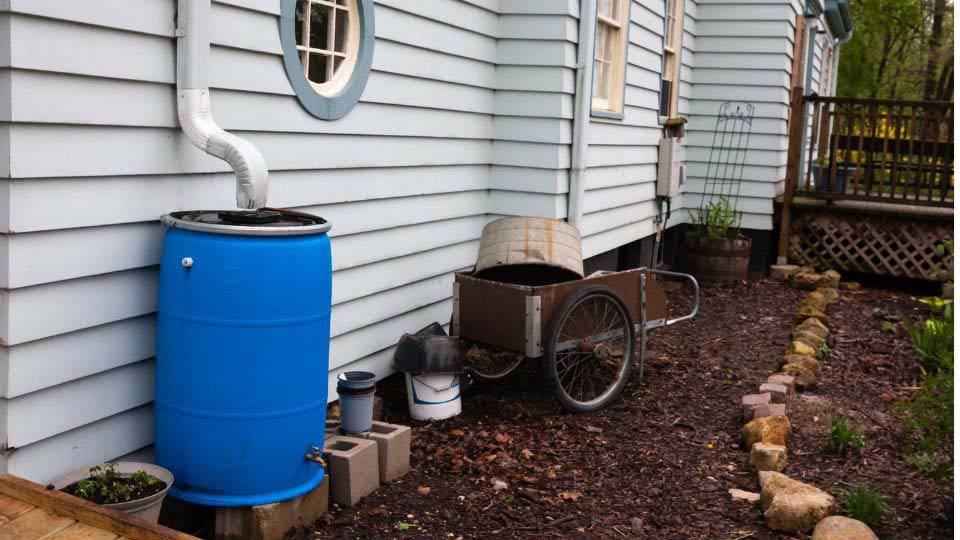
Rainwater harvesting systems capture and store rainwater for later use in your garden. While drought-tolerant landscapes need less water, occasional supplemental watering ensures plants remain resilient.
Using rain barrels allows homeowners to irrigate gardens without tapping into municipal water supplies. This system reduces costs, conserves resources, and integrates seamlessly into eco-friendly backyard designs. When combined with drip irrigation, it creates a self-sufficient watering cycle.
Benefits of a Drought-Tolerant Backyard
Conserves Water and Reduces Utility Bills
The most obvious benefit of a drought-tolerant backyard is water conservation. By replacing traditional lawns and installing efficient irrigation systems, homeowners drastically cut down on outdoor water use. This not only helps the environment but also reduces monthly expenses.
Low Maintenance and Long-Term Sustainability
Drought-tolerant landscapes require less mowing, fertilizing, and watering. Once established, native plants are highly resilient, thriving with minimal care. Homeowners can spend more time enjoying their outdoor space instead of maintaining it.
Increases Property Value
Eco-friendly landscaping is an attractive feature for potential buyers. A well-designed drought-tolerant backyard demonstrates environmental responsibility while enhancing curb appeal. This makes the property stand out in competitive real estate markets.
Supports Local Wildlife
Native plants provide food and habitat for pollinators, birds, and beneficial insects. By creating a drought-tolerant backyard, homeowners contribute to local biodiversity while maintaining a functional and beautiful landscape.
Practical Use Cases for Drought-Tolerant Backyards
Urban Homes in Water-Restricted Areas
In cities where water restrictions are common, a drought-tolerant backyard ensures that residents can still enjoy outdoor living without violating regulations. By relying on low-water plants and hardscaping, urban homeowners create beautiful spaces that comply with conservation laws.
Families Seeking Low-Maintenance Outdoor Spaces
For busy families, a traditional lawn may require more upkeep than time allows. Drought-tolerant backyards reduce maintenance demands while still offering a safe and enjoyable outdoor environment for children and pets.
Sustainable Living and Eco-Conscious Communities
Homeowners interested in sustainability can integrate drought-tolerant landscaping into their lifestyle. By harvesting rainwater, using native plants, and incorporating permeable surfaces, they actively contribute to environmental preservation.
Tips for Designing a Drought-Tolerant Backyard
-
Group plants by water needs for efficient irrigation.
-
Use mulch to retain soil moisture and prevent weeds.
-
Choose shade trees strategically to reduce evaporation.
-
Incorporate decorative rocks and gravel for aesthetics and function.
-
Replace high-maintenance grass with artificial turf or ground covers.
Frequently Asked Questions
1. What are the best plants for a drought-tolerant backyard?
Some of the best choices include lavender, sage, yucca, succulents, and ornamental grasses. These plants thrive in dry climates and require minimal watering once established.
2. Do drought-tolerant backyards look attractive?
Yes, when designed thoughtfully, drought-tolerant landscapes can be visually stunning. With colorful perennials, textured grasses, and modern hardscaping, they offer a stylish alternative to traditional lawns.
3. How long does it take to establish a drought-tolerant garden?
Most drought-tolerant plants take one to two growing seasons to establish strong root systems. After this period, they require significantly less maintenance and supplemental watering.