Native Plant Landscaping Near Me: Complete Guide to Sustainable Yard Design
Native plant landscaping has become one of the fastest-growing trends in sustainable yard and garden design. Whether you live in a suburban neighborhood, a rural property, or an urban home with a small yard, searching for “native plant landscaping near me” can help you discover local species perfectly adapted to your environment. This approach reduces maintenance, conserves water, supports biodiversity, and creates beautiful outdoor spaces that thrive naturally.
Below, we’ll explore the importance of native plant landscaping, its practical benefits, detailed use cases, and real-world examples of plant selections that transform landscapes into sustainable sanctuaries.
Understanding Native Plant Landscaping
Native plant landscaping involves using plants that naturally occur in your region, thriving in local soils, climate, and ecosystems. These plants have evolved over centuries to withstand local weather patterns, pests, and diseases, making them far more resilient compared to exotic or non-native species.
When people search for “native plant landscaping near me,” they are often looking for solutions that not only beautify their property but also reduce the amount of work and resources required to maintain it. This type of landscaping is deeply rooted in ecological awareness and creates harmony between your outdoor space and its natural surroundings.
Why Native Plant Landscaping Matters
Native plant landscaping is more than just an aesthetic choice. It plays a significant role in environmental conservation and community well-being. By choosing local species, homeowners directly contribute to the restoration of habitats for pollinators, birds, and small wildlife.
Additionally, native plants promote soil health, reduce stormwater runoff, and help lower irrigation needs. Unlike exotic ornamentals, which often require fertilizers and pesticides to survive, native plants thrive naturally, helping homeowners save both money and effort over time.
Benefits of Native Plant Landscaping
Eco-Friendly and Sustainable
Native plants are naturally suited to your local climate and soil conditions, meaning they require less water, fertilizer, and pesticides. This reduces your environmental footprint and makes your landscape more self-sustaining.
Supports Local Wildlife
Many birds, butterflies, and bees depend on specific native plants for food and shelter. By incorporating these species into your yard, you help sustain biodiversity and create thriving habitats right outside your home.
Lower Maintenance
Because they are adapted to local conditions, native plants require less attention than exotic varieties. This is particularly beneficial for homeowners seeking a low-maintenance yard that still looks vibrant throughout the year.
Improved Soil and Water Conservation
Native landscaping prevents soil erosion, improves water retention, and reduces the need for constant irrigation. This makes it ideal for regions with seasonal droughts or areas where water restrictions are common.
Real-World Examples of Native Plant Landscaping
Prairie Landscaping with Native Grasses
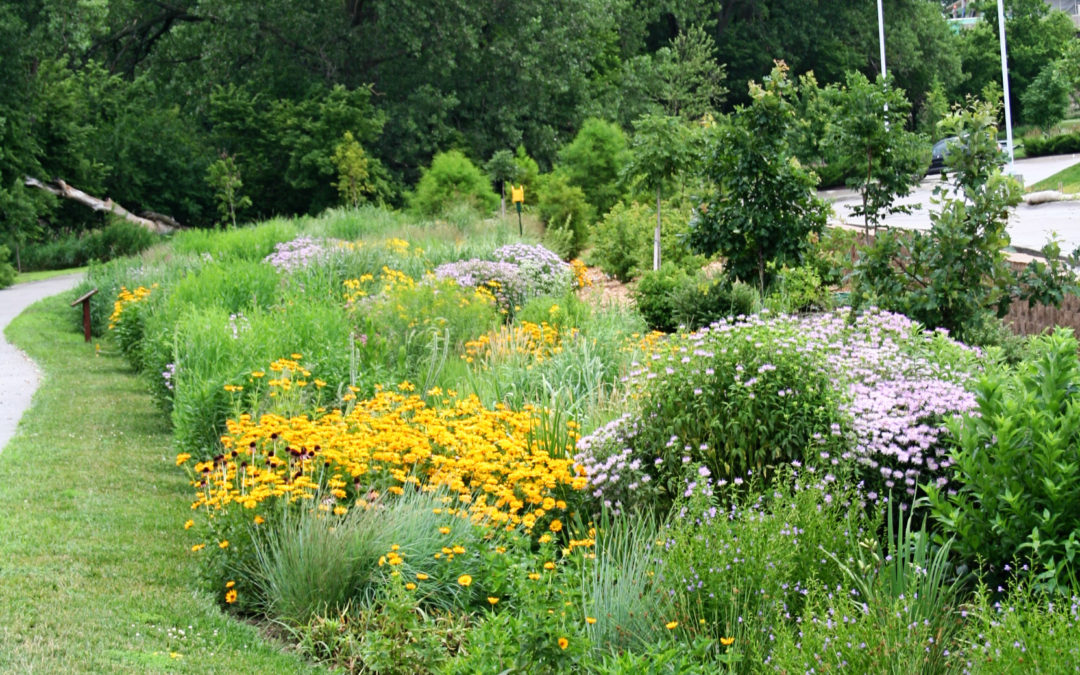
Prairie landscaping is popular in many parts of North America where tall grasses once dominated the ecosystem. Plants like switchgrass, little bluestem, and Indian grass can transform large backyards into natural prairies. These grasses are highly drought-resistant and create a sense of movement in the landscape as they sway in the wind.
Such landscapes are also beneficial for wildlife. Birds use tall grasses for nesting, while pollinators thrive in the diverse ecosystem supported by prairie flowers often planted alongside these grasses. Prairie landscaping is ideal for homeowners with larger lots seeking a naturalistic design.
Woodland Native Plant Gardens
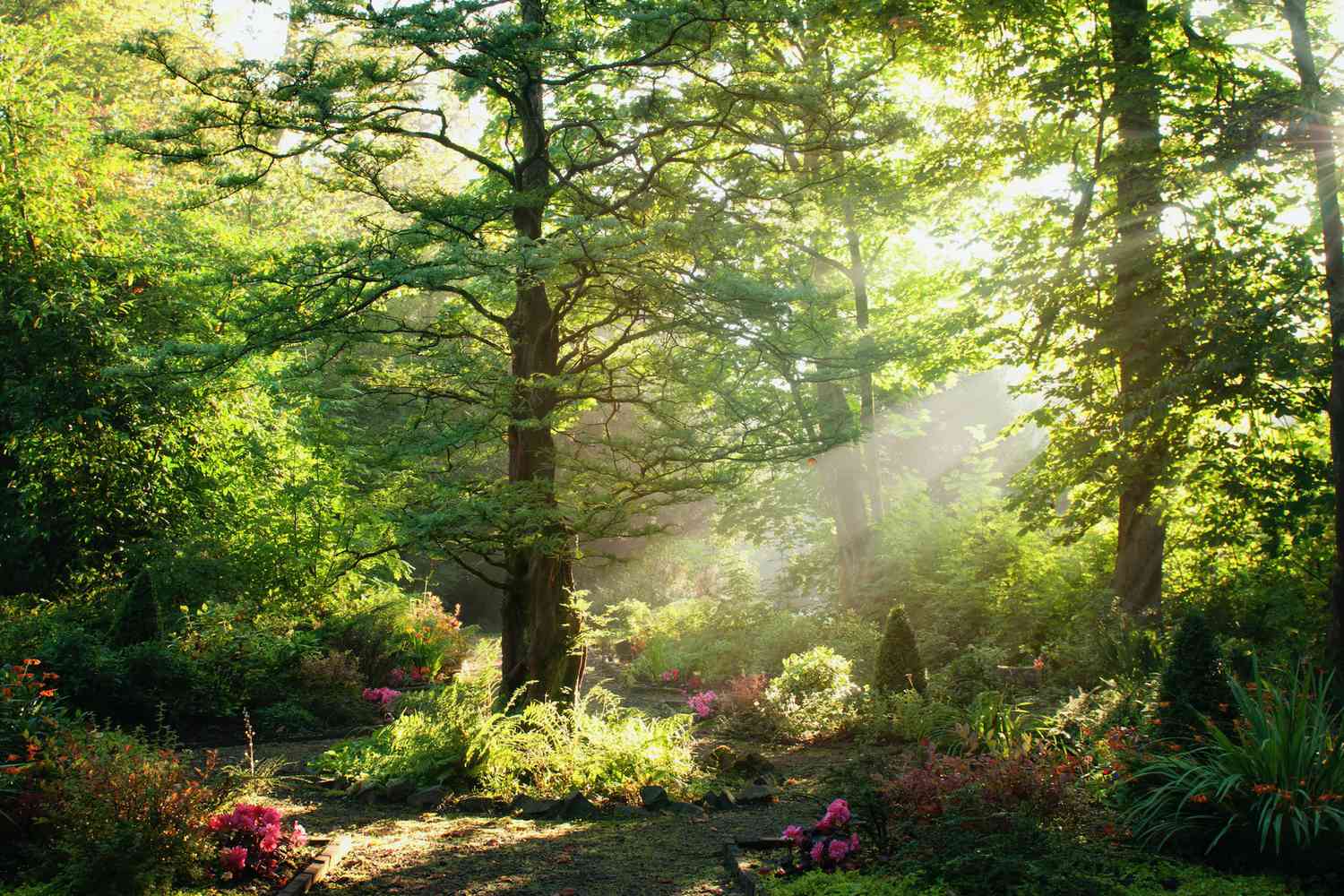
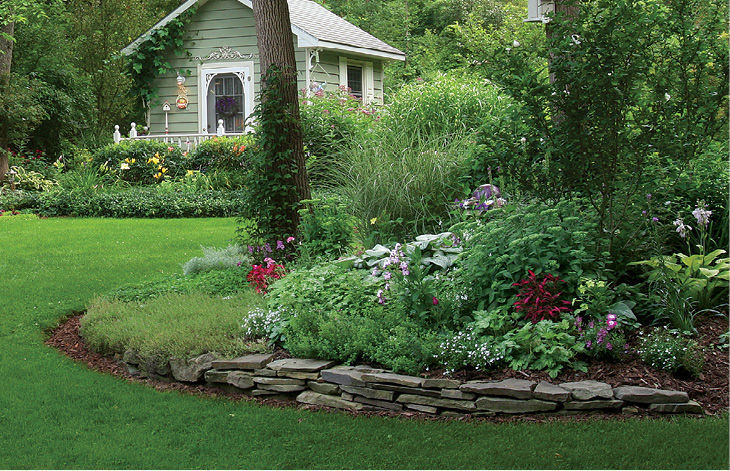
In shaded areas or properties bordering forests, woodland landscaping with native plants like ferns, wild columbine, and trillium creates a lush, layered look. These plants thrive under canopy cover and require minimal upkeep once established.
Woodland gardens mimic the natural forest floor, improving soil quality and helping retain moisture. They also attract beneficial insects and woodland bird species, making the backyard feel like an extension of local forests.
Pollinator-Friendly Gardens
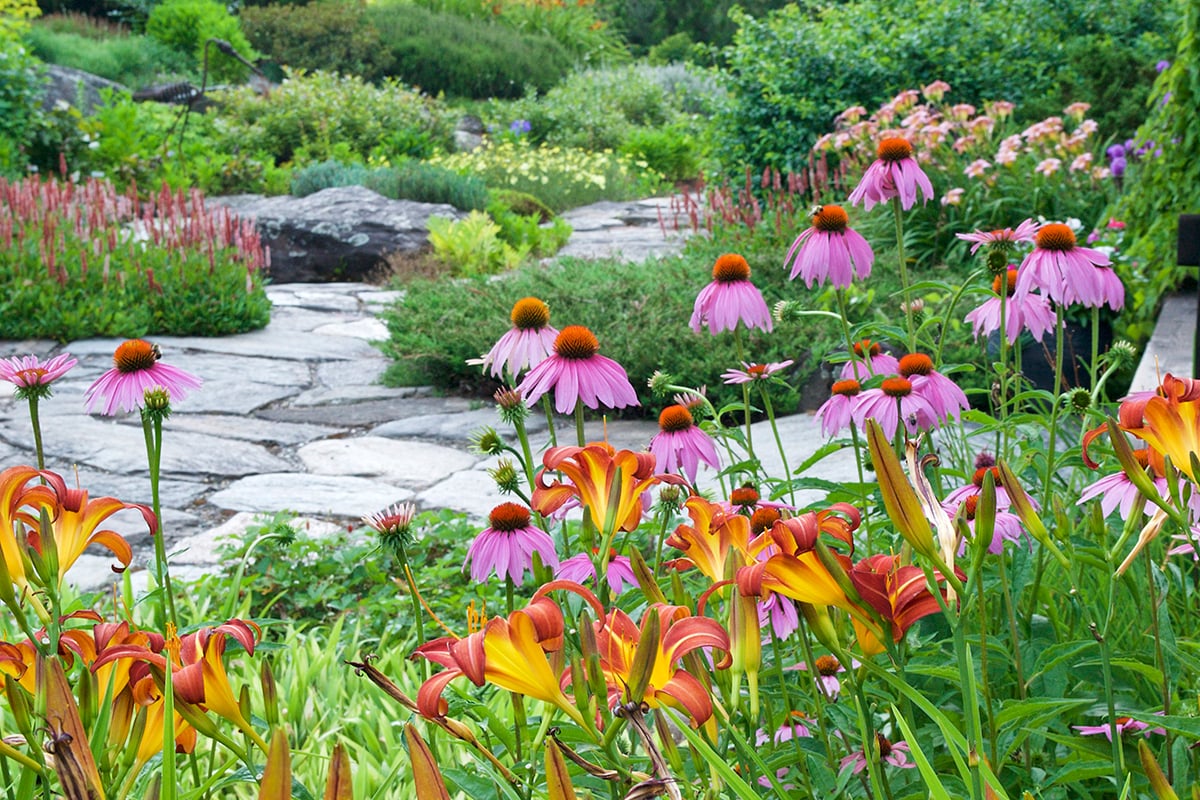
For urban and suburban homeowners, a pollinator garden filled with native wildflowers such as milkweed, coneflowers, and black-eyed Susans is one of the most impactful choices. These plants provide nectar and habitat for butterflies, especially monarchs, and native bee populations.
Not only do pollinator gardens look stunning throughout spring and summer, but they also play a crucial role in supporting declining pollinator populations. This is a perfect example of how a small yard can make a big difference in local ecosystems.
Drought-Tolerant Desert Landscaping
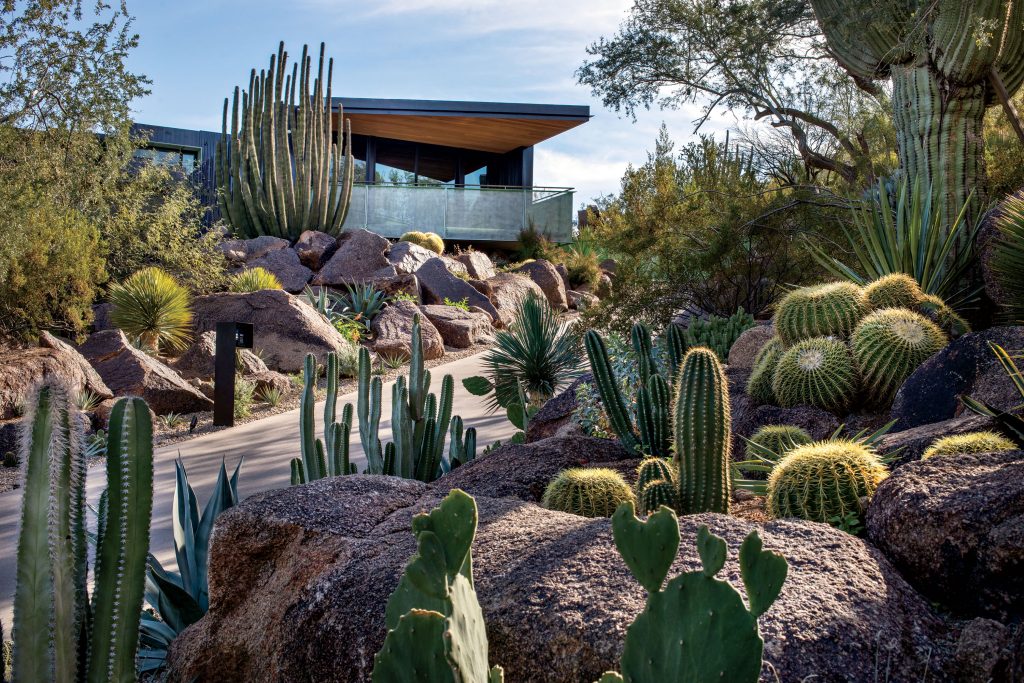
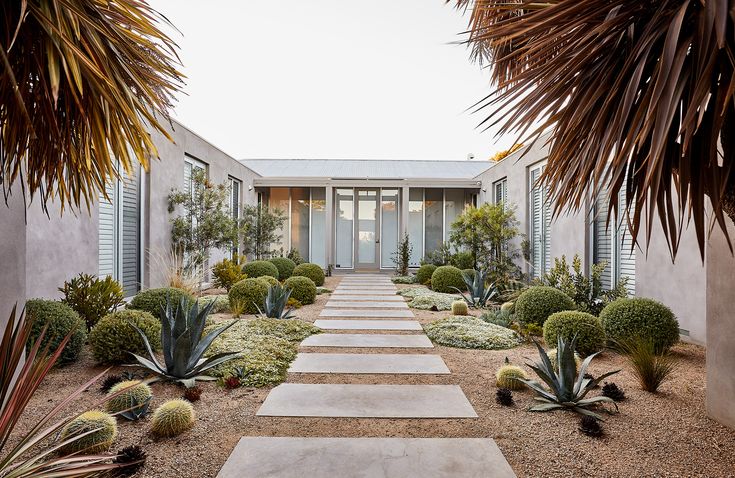
In arid regions, homeowners can design landscapes using native succulents, cacti, and shrubs such as sagebrush, yucca, and desert marigold. These plants thrive with minimal water and create striking visual interest with unique textures and forms.
This type of landscaping reduces reliance on irrigation systems while ensuring year-round greenery in desert climates. Desert native landscaping is particularly useful in areas facing water shortages.
Use Cases of Native Plant Landscaping
Reducing Water Bills in Urban Homes
A common problem homeowners face is the high cost of watering lawns during summer. By replacing lawns with native grasses and wildflowers, water usage can drop by more than half, leading to substantial savings on utility bills.
Restoring Habitat in Suburban Areas
Suburban developments often replace natural ecosystems with uniform lawns. By planting native species, homeowners help restore essential habitats for pollinators, songbirds, and small mammals that rely on these plants.
Combatting Soil Erosion in Rural Properties
On sloped or rural properties, native shrubs and grasses with deep root systems stabilize the soil and prevent erosion. This use case is especially valuable in areas prone to heavy rains or flooding.
Enhancing Property Value with Curb Appeal
Native landscaping doesn’t mean sacrificing beauty. Thoughtful designs using native flowers and shrubs can boost curb appeal while aligning with eco-friendly values, which is increasingly attractive to potential buyers.
How Technology Enhances Native Plant Landscaping
Modern technology has made native landscaping easier than ever. Online plant identification apps, climate-matching software, and interactive design tools help homeowners discover which native species will thrive in their yards.
Additionally, irrigation technology such as smart sprinkler systems can be programmed to adjust based on local rainfall and soil moisture, ensuring native plants receive just the right amount of water. These advancements allow homeowners to maintain thriving, eco-friendly yards without guesswork.
Frequently Asked Questions
1. How do I know which native plants are best for my region?
The best way to find suitable plants is to research your local plant society or use online native plant databases. Searching “native plant landscaping near me” will usually point you toward species lists tailored to your region.
2. Do native plants require any special care after planting?
While they are low maintenance, native plants need proper care during their first growing season. Adequate watering and mulching help them establish strong root systems, after which they typically thrive with little intervention.
3. Can native landscaping look as beautiful as traditional gardens?
Absolutely. Native plants offer diverse colors, textures, and seasonal interest. With thoughtful design, they can be just as visually appealing, if not more, while requiring less upkeep than traditional lawns and exotic ornamentals.