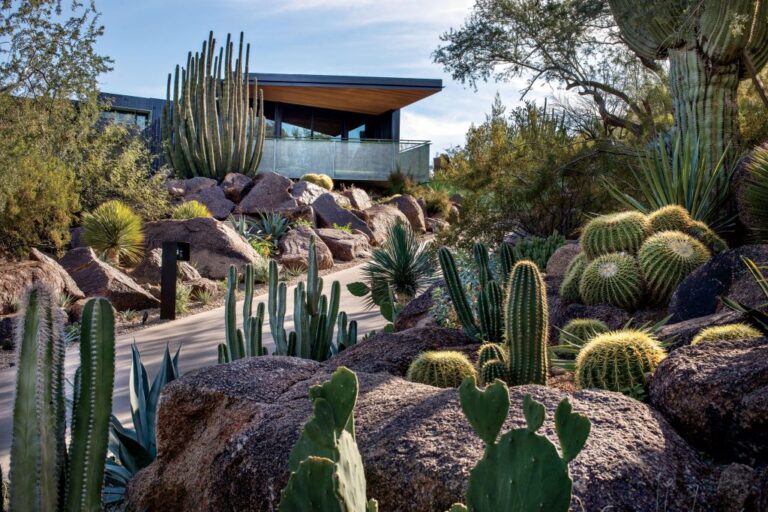
Tropical Gardens Landscape: Complete Guide to Design, Benefits, and Inspiring Examples
A tropical garden landscape is more than just greenery; it is a living sanctuary filled with lush plants, vibrant flowers, and an atmosphere that transports you to an exotic paradise. Whether you want to transform your backyard into a private retreat or design a large outdoor space with tropical flair, understanding the principles, benefits, and practical applications of tropical landscaping is essential.
In this article, we will explore the foundations of tropical garden landscapes, discuss their benefits, showcase real-world examples, and provide useful insights on how they can solve common outdoor design challenges.
What Is a Tropical Gardens Landscape?
A tropical garden landscape is a design style inspired by lush rainforests and coastal regions around the world. It typically features dense planting, bold foliage textures, vibrant colors, water features, and natural materials. Unlike minimalist landscapes, tropical gardens emphasize abundance and immersive beauty.
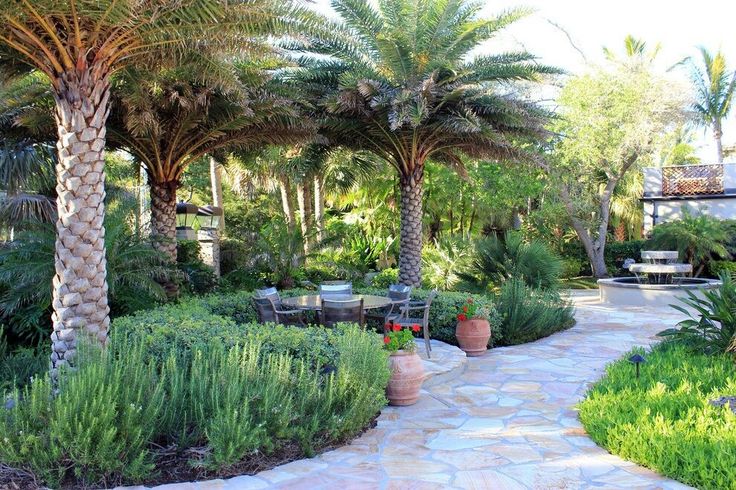
The design aims to replicate the feeling of being in a tropical environment where plants thrive in layered arrangements. Key elements often include large leafy plants like banana trees, palms, and ferns, combined with colorful accents such as orchids and hibiscus.
Core Principles of Tropical Gardens Landscape
Dense Planting and Layering
The foundation of tropical gardens is layering plants of various heights. Large canopy trees provide shade, while mid-level shrubs and ground covers fill in the space. This creates depth, visual richness, and a natural ecosystem effect.
Use of Bold Foliage and Color
Tropical landscapes rely heavily on strong foliage textures such as broad leaves, glossy surfaces, and vibrant colors. The interplay of green shades with pops of bright red, orange, and purple creates a dramatic visual impact.
Water and Natural Elements
Water features, such as ponds, small waterfalls, or reflective pools, bring a cooling effect and enhance the sensory experience. Natural materials like stone, bamboo, and wood are commonly used to complement the plants and create harmony.
Benefits of a Tropical GGardenLandscape
Creates a Relaxing Environment
A tropical garden can turn any outdoor space into a private oasis. The lush plants and water features help reduce stress and promote relaxation, making the garden a sanctuary for rest and meditation.
Improves Air Quality and Biodiversity
Dense tropical planting naturally improves air quality by filtering pollutants and increasing oxygen levels. It also attracts birds, butterflies, and pollinators, supporting a healthy ecosystem.
Enhances Property Value
A well-designed tropical garden landscape adds significant aesthetic value to a property. Homes with lush outdoor designs often attract higher interest and better market value.
Climate Adaptation
Tropical landscapes are particularly suited for warm climates, where plants like palms, bananas, and ferns thrive naturally. With proper design, these gardens are low-maintenance and sustainable in the right environment.
Real-World Examples of Tropical Gardens Landscape
Bali-Inspired Tropical Villa Garden
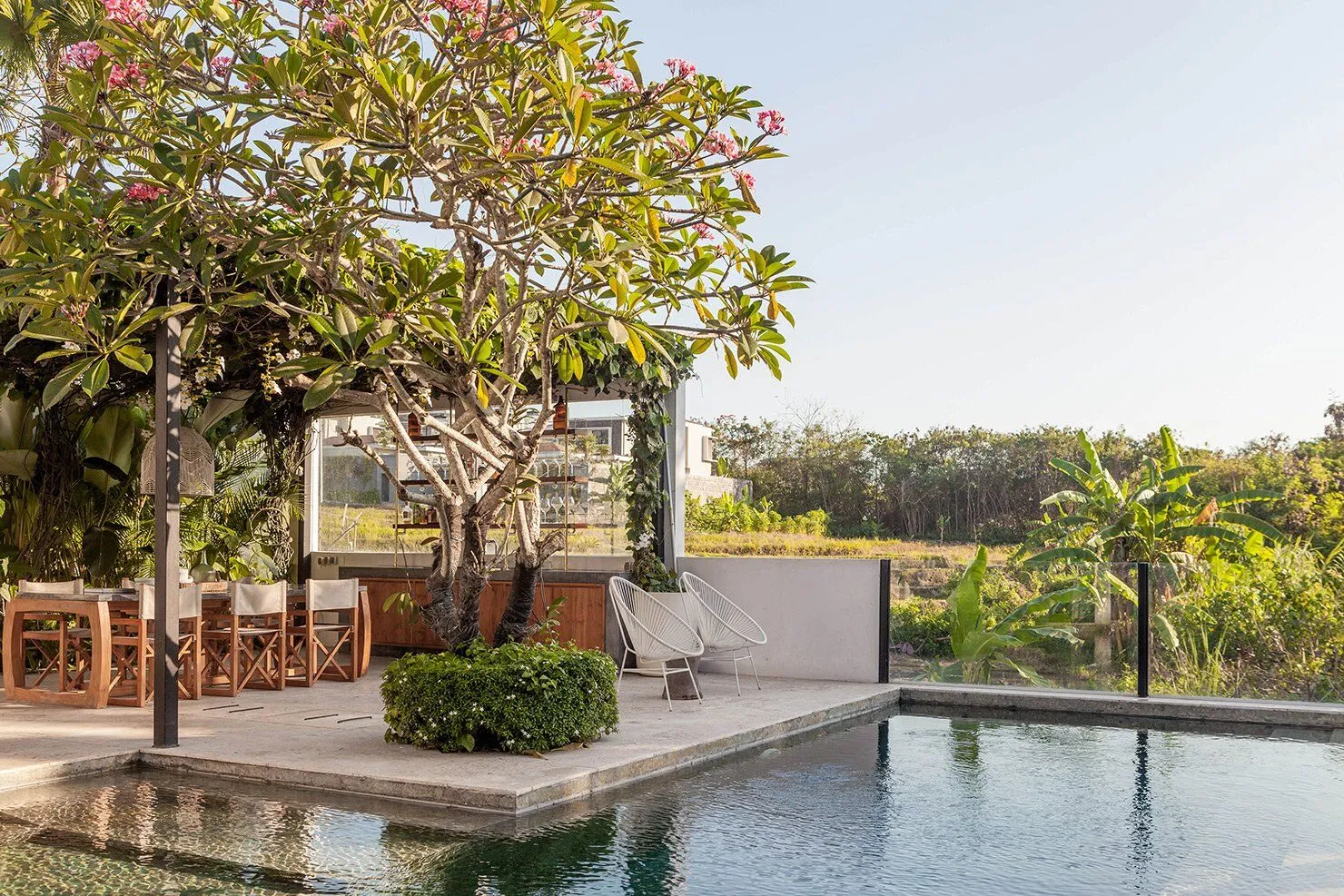
Bali-inspired gardens are a perfect representation of tropical landscaping. These gardens often feature frangipani trees, bamboo, and water ponds with koi fish. The use of stone statues and traditional Balinese pavilions enhances the cultural feel.
The relevance of this style lies in its ability to blend natural tropical vegetation with cultural elements, creating a garden that feels both exotic and spiritual. It is widely used in resorts and luxury homes to give guests a sense of paradise.
Contemporary Tropical Courtyard
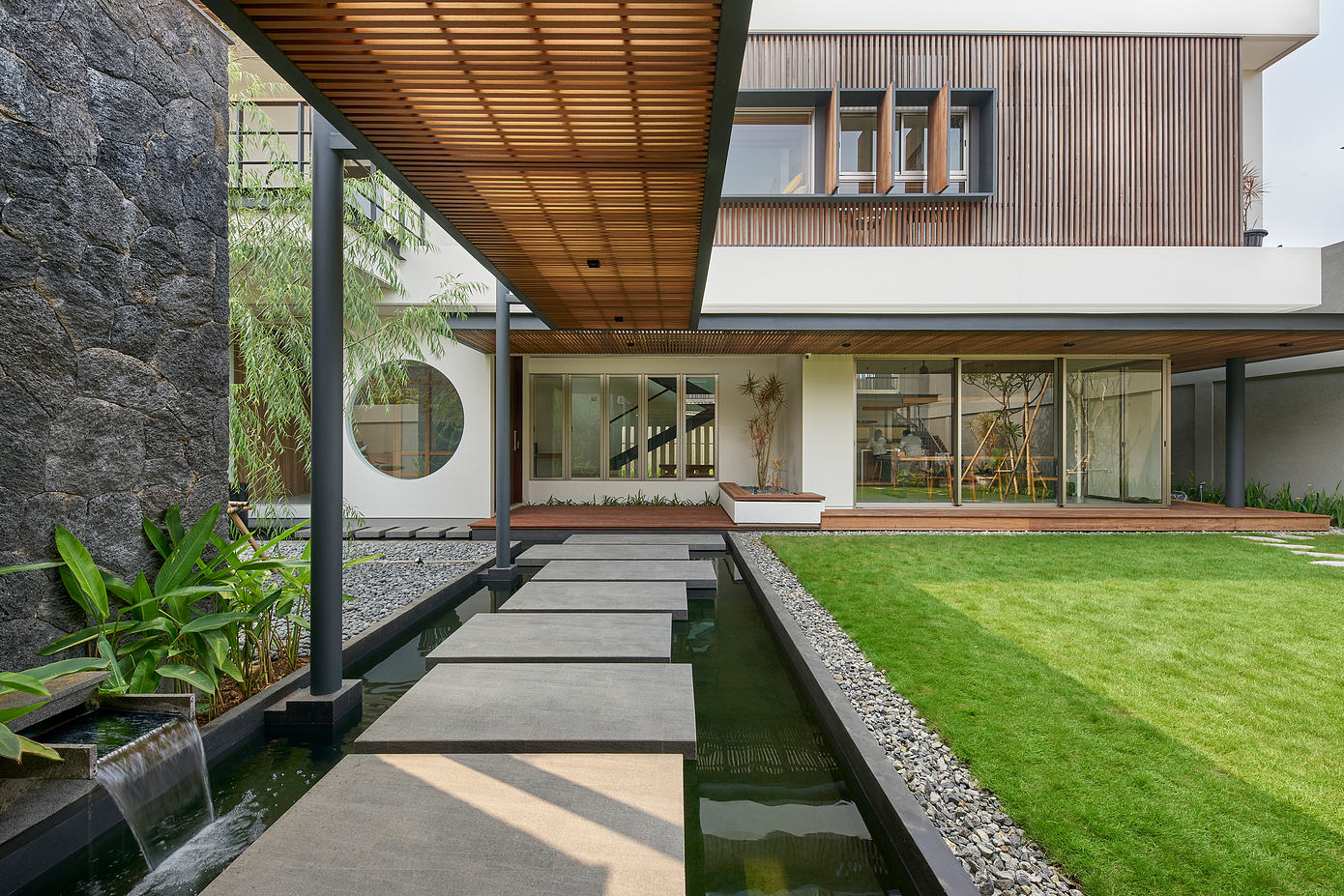
Urban homes with limited space often use courtyard gardens to bring the tropical landscape indoors. Vertical planting walls with lush ferns and philodendrons maximize greenery, while compact water fountains create a serene atmosphere.
This approach proves that even small spaces can embrace tropical garden design. It helps homeowners create an intimate retreat within an urban setting, making use of vertical elements and layered greenery.
Tropical Poolside Landscape
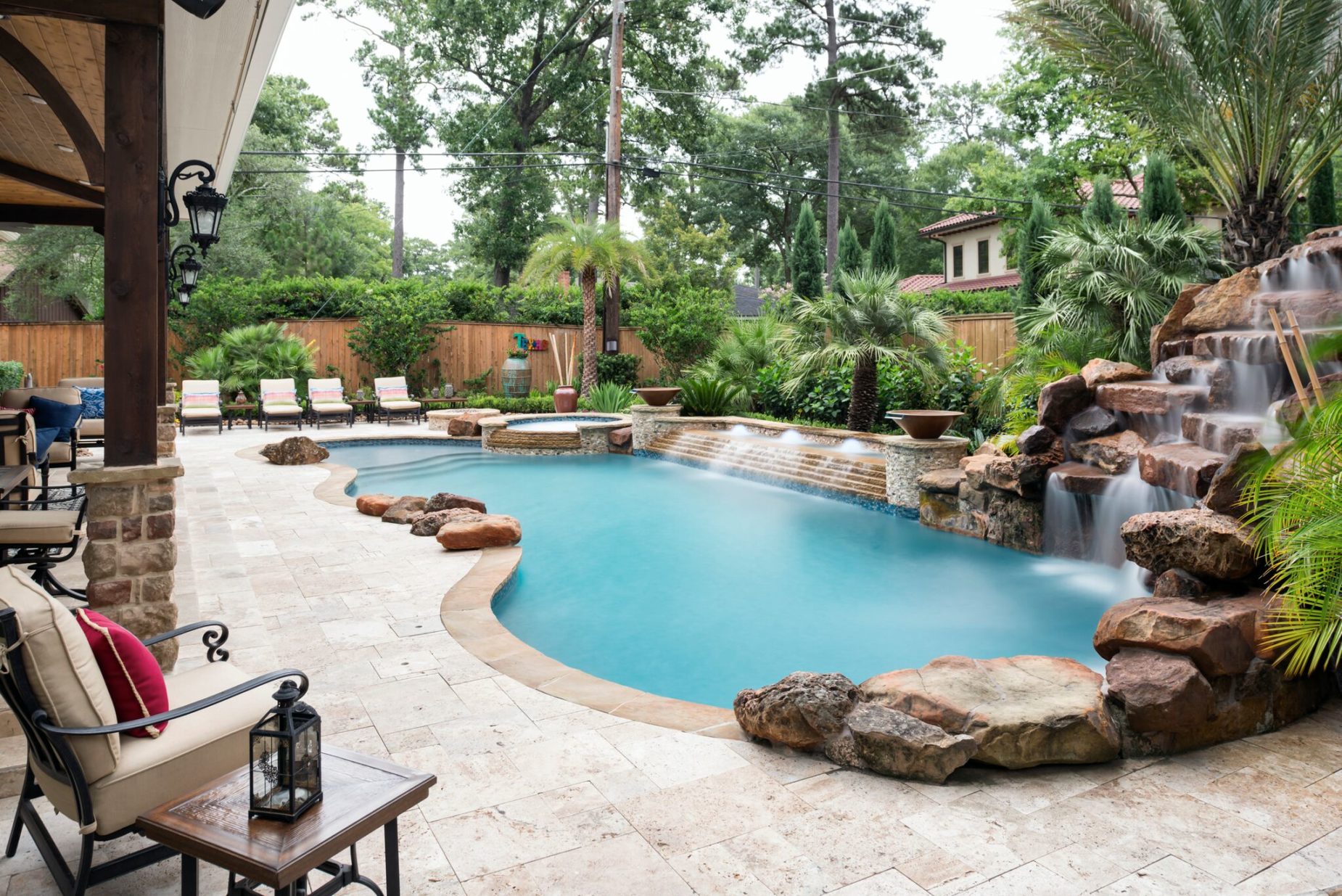
Poolside areas are ideal for tropical landscapes, often featuring palm trees, bird of paradise plants, and colorful bromeliads. These plants not only create visual beauty but also provide shade and a cooling microclimate around the pool.
This real-world application highlights how tropical gardens can transform a functional pool area into a resort-like experience. The tropical planting enhances the atmosphere, while practical elements such as shade contribute to comfort.
Tropical Botanical Park
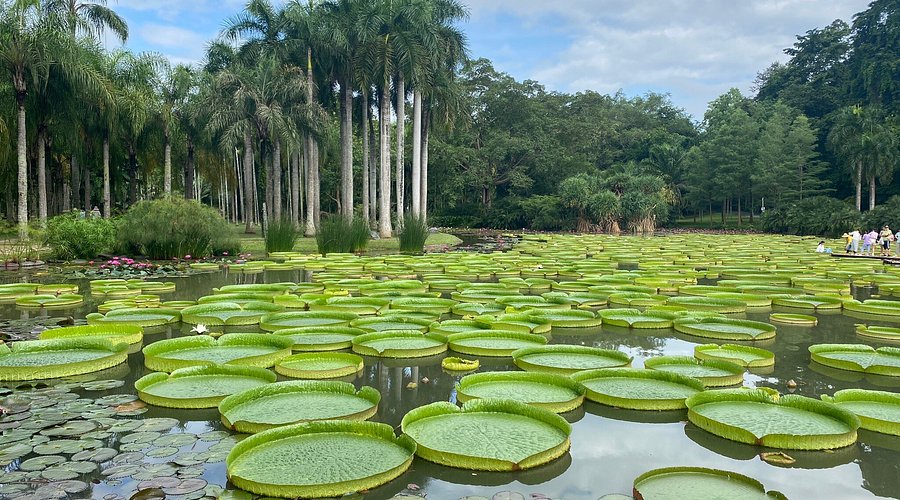
Public spaces such as botanical parks often use tropical landscaping to showcase biodiversity. These designs include pathways lined with palms, orchids, and water features. Seating areas shaded by tropical trees provide comfort for visitors.
This example shows the large-scale application of tropical gardens, serving both aesthetic and educational purposes. It demonstrates how tropical landscaping can enrich communities by providing spaces for recreation and learning.
Practical Use Cases of Tropical Gardens Landscape
Residential Outdoor Retreat
Many homeowners choose tropical gardens to create a personal retreat that resembles a vacation destination. These landscapes offer privacy, shade, and a calming environment, perfect for relaxation or family gatherings.
Hospitality and Resorts
Hotels and resorts rely heavily on tropical landscaping to enhance guest experiences. A well-designed tropical garden becomes a selling point, offering visitors a sense of escape and connection to nature.
Urban Green Spaces
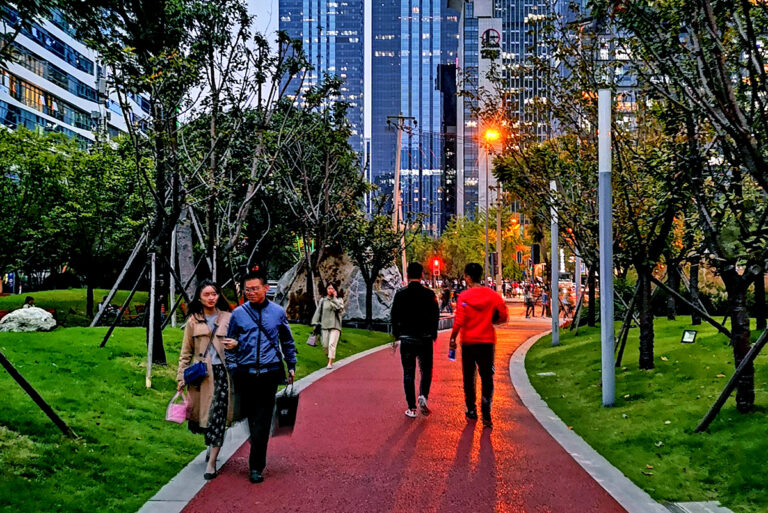
Tropical gardens in urban areas provide green relief from concrete environments. They help mitigate urban heat, reduce noise pollution, and create communal spaces for relaxation.
Integrating Technology in Tropical Gardens Landscape
Smart Irrigation Systems
Technology plays an important role in maintaining tropical landscapes. Smart irrigation systems adjust watering schedules based on weather conditions, ensuring plants receive the right amount of water while conserving resources.
Outdoor Lighting Solutions
Modern tropical gardens use LED and solar-powered lighting to highlight plants and pathways at night. This not only improves safety but also enhances the atmosphere, making the garden enjoyable after sunset.
Sustainable Water Features
Innovative technology allows water features to recycle water efficiently. This makes ponds, fountains, and waterfalls more sustainable and eco-friendly, reducing overall maintenance costs.
Challenges and Solutions in Tropical Gardens Landscape
Maintenance Requirements
Tropical gardens can become overgrown if not maintained properly. Regular pruning, pest control, and irrigation are necessary. Choosing low-maintenance tropical plants can help reduce effort.
Climate Suitability
Not all tropical plants thrive outside their native climate. Gardeners must adapt plant choices to local conditions or use microclimate techniques such as shaded areas and irrigation to mimic tropical environments.
Frequently Asked Questions
1. What plants are best for a tropical glandscape
Some of the most popular choices include palm trees, banana plants, ferns, orchids, hibiscus, and bird of paradise. These plants are known for their bold foliage and vibrant colors that create a lush, exotic feel.
2. Can a tropical garden be created in a small space?
Yes, tropical gardens can be adapted to small spaces using vertical gardens, potted tropical plants, and compact water features. Courtyard and balcony gardens are popular examples of space-efficient tropical designs.
3. How do I maintain a tropical garden landscape?
Maintenance involves regular watering, pruning, fertilizing, and pest control. Using smart irrigation systems and selecting climate-appropriate plants can significantly reduce upkeep while keeping the garden healthy.