Evergreen Gardening and Landscape: Complete Guide to Sustainable Year-Round Greenery
Evergreen gardening and landscape design is more than just planting trees that remain green all year. It’s a thoughtful approach to outdoor planning that combines sustainability, visual appeal, and practicality. Whether you’re creating a lush backyard, enhancing curb appeal, or designing a professional landscape project, evergreens provide structure, consistency, and long-term beauty.
In this guide, we will dive into the principles of evergreen landscaping, highlight real-world examples, explore its many benefits, and explain how technology enhances the process.
Understanding Evergreen Gardening and Landscape
Evergreen gardening refers to the strategic use of evergreen plants, trees, shrubs, and groundcovers that keep their foliage throughout the seasons. Unlike deciduous plants, which shed their leaves in fall and remain bare in winter, evergreens maintain a vibrant presence all year.
This consistency is one of the primary reasons they are essential in landscaping. They not only add aesthetic beauty but also offer environmental benefits such as wind protection, erosion control, and wildlife habitat. Landscape designers often use evergreens as the backbone of a garden, creating a sense of continuity that other seasonal plants can complement.
Key Principles of Evergreen Landscape Design
When planning an evergreen garden or landscape, the following principles are crucial:
Balance and Structure
Evergreens act as anchor points in garden design. They create visual stability by offering year-round greenery, forming the framework around which other plants and features revolve.
Diversity of Species
Choosing different types of evergreen plants ensures varied textures, shapes, and colors. For example, combining conifers, broadleaf evergreens, and groundcovers prevents monotony and adds layers of depth to the design.
Sustainability and Low Maintenance
One of the biggest appeals of evergreen landscaping is reduced maintenance. Once established, many evergreen species require less watering, fertilization, and pruning compared to seasonal plants.
Real-World Examples of Evergreen Gardening and Landscape
Boxwood Hedges
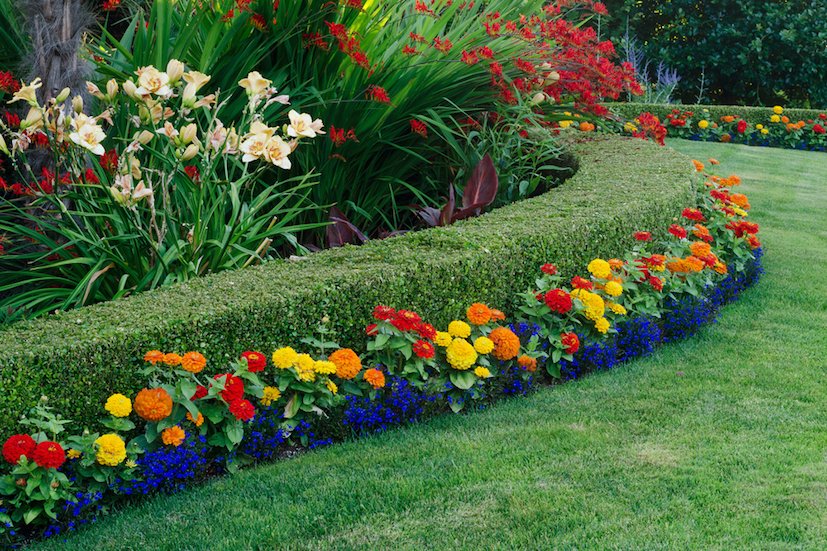
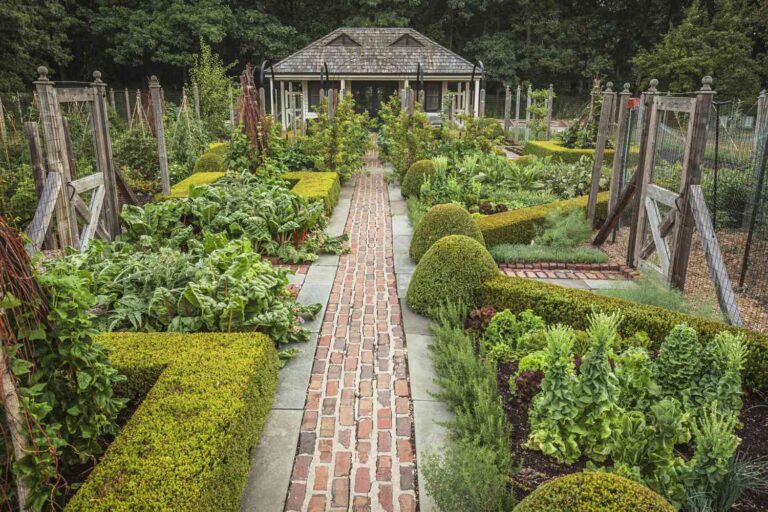
Boxwoods are classic evergreen shrubs commonly used to form hedges, borders, and geometric garden patterns. Their dense foliage and ability to be shaped make them ideal for formal landscapes. In residential design, boxwoods often frame pathways or surround flower beds, providing year-round structure even when seasonal flowers die back.
Beyond aesthetics, boxwoods are hardy and adaptable to various climates, making them a versatile choice for both suburban homes and large estates.
Cedar Privacy Screens

Cedar trees, especially the Thuja species, are widely used for creating natural privacy screens. Their tall, dense growth habit makes them perfect for blocking wind, reducing noise, and providing privacy without the need for artificial fencing.
Cedar’s evergreen quality ensures that properties remain secluded year-round, and the natural fragrance of cedar adds another sensory element to the landscape. This makes them popular in urban neighborhoods where privacy is valued.
Juniper Groundcovers
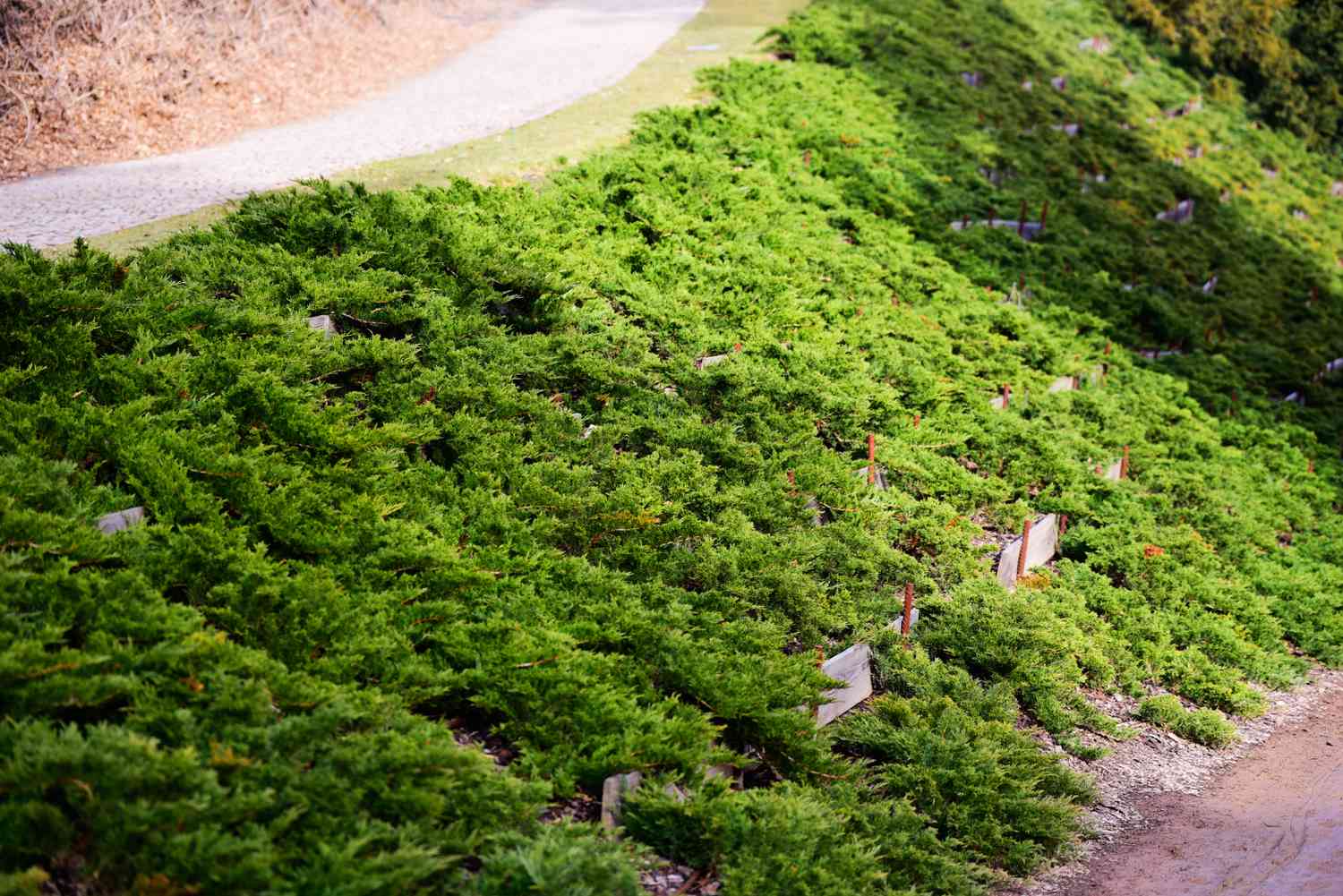
Junipers are hardy evergreen plants often used as groundcovers on slopes, rocky terrain, or areas prone to erosion. Their creeping varieties spread across the ground, stabilizing soil and preventing runoff during heavy rains.
In addition to practical benefits, junipers offer silvery-green foliage that enhances garden aesthetics. Landscapers often use them in rock gardens, around patios, or as a complement to taller evergreen trees.
Holly Trees and Shrubs
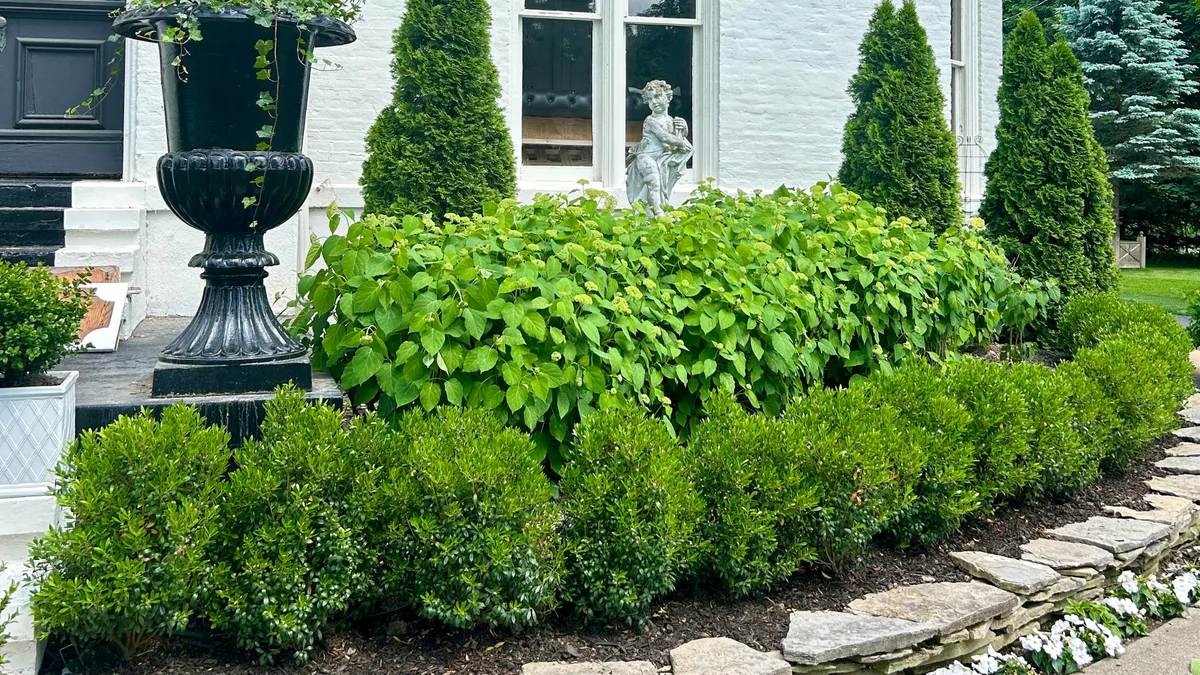
Holly plants are iconic evergreens, often associated with winter festivities due to their glossy green leaves and bright red berries. They add visual interest and seasonal charm to landscapes, making them both functional and decorative.
Beyond beauty, holly shrubs also provide shelter and food for birds during colder months, making them a key choice for gardeners aiming to support local wildlife.
Benefits of Evergreen Gardening and Landscape
Year-Round Aesthetic Appeal
The most obvious advantage of evergreen landscaping is its timeless beauty. Unlike deciduous plants, which leave bare spaces in winter, evergreens keep landscapes looking vibrant and alive in every season.
Environmental Protection
Evergreens act as natural windbreaks, reducing heating costs in winter by blocking cold winds. They also prevent soil erosion, improve air quality, and provide habitats for birds and pollinators.
Privacy and Noise Reduction
Tall evergreens like cedar or spruce form natural walls that shield properties from prying eyes and reduce ambient noise. This makes them practical choices for both residential and commercial landscapes.
Sustainability
Evergreen plants generally require less frequent watering and maintenance, especially once they are established. This reduces resource consumption and makes them a sustainable option for eco-conscious gardeners.
The Role of Technology in Evergreen Landscape Design
Modern landscaping has evolved with the help of digital tools and smart technology. Today, evergreen gardening is more efficient and precise thanks to innovations such as:
Landscape Design Software
Advanced software allows designers to create 3D models of evergreen landscapes before planting. This helps homeowners visualize the result, experiment with plant combinations, and ensure spatial balance.
Smart Irrigation Systems
Water conservation is a major priority in sustainable landscaping. Smart irrigation systems use sensors and weather data to provide just the right amount of water, ensuring evergreens thrive without waste.
Drones and Aerial Mapping
For large properties, drones are increasingly used to survey land, analyze soil conditions, and plan evergreen placement with accuracy. This reduces errors and ensures optimal plant health.
Practical Use Cases of Evergreen Gardening and Landscape
Residential Homes
Homeowners use evergreen landscaping to maintain curb appeal, reduce maintenance, and create private outdoor spaces. Even in winter, their yards look lively and welcoming.
Commercial Properties
Businesses use evergreens for professional landscaping that remains attractive year-round. Hotels, offices, and retail centers benefit from the polished, consistent look of evergreen gardens.
Public Parks and Recreational Spaces
Evergreens are widely used in public parks to ensure greenery throughout the year, enhancing the visitor experience. They also provide shade, wildlife support, and natural wind protection.
Erosion Control Projects
Municipalities and environmental organizations use evergreens, particularly groundcovers and shrubs, to stabilize slopes, prevent soil loss, and protect waterways.
Frequently Asked Questions
1. What types of evergreens are best for small gardens?
Compact varieties such as dwarf spruce, boxwoods, and holly shrubs are excellent for smaller gardens. They provide greenery without overwhelming the space.
2. How do evergreens contribute to sustainability?
Evergreens reduce energy use by serving as windbreaks, conserve soil with erosion control, and require less frequent watering and fertilization once established.
3. Can evergreen landscapes work in all climates?
Yes, but plant selection is key. For cold regions, conifers like pine or spruce thrive, while in warmer climates, options like junipers, hollies, or magnolias perform better.