Retention Wall Contractors: Complete Guide to Services, Benefits, and Construction Insights 2025
Retention walls, also known as retaining walls, are crucial for stabilizing sloped terrains, preventing soil erosion, and creating usable land. To ensure safety and durability, hiring experienced retention wall contractors is essential. These professionals bring expertise in engineering, design, and construction practices that meet local regulations and project requirements. This article explores the role of retention wall contractors, the benefits of working with them, real-world examples, and practical use cases.
Understanding the Role of Retention Wall Contractors
Retention wall contractors specialize in designing and constructing walls that hold back soil or support elevation changes. Their work requires knowledge of soil mechanics, structural engineering, and building codes. Contractors evaluate site conditions, determine the most effective wall type, and oversee the installation process.
Unlike general contractors, retention wall specialists focus specifically on earth retention solutions. Their expertise ensures that the wall not only looks aesthetically pleasing but also functions safely under pressure from soil, water, and environmental forces.
Why Hiring a Professional Contractor Matters
Attempting to build a retention wall without professional assistance can lead to costly mistakes, structural failure, or even safety hazards. Professional contractors provide:
- Expert Design – Based on soil type, slope gradient, and load requirements.
- Proper Materials – Choosing between concrete, stone, modular blocks, or timber, depending on project needs.
- Drainage Solutions – Integrating proper water management to reduce hydrostatic pressure.
- Code Compliance – Meeting local regulations and securing permits.
Working with a contractor ensures long-term durability and reduces risks associated with poorly designed walls.
Benefits of Using Technology in Retention Wall Construction
Retention wall contractors increasingly rely on modern technology to deliver safer and more efficient projects:
- 3D Design Software – Enables detailed visualizations and accurate planning before construction begins.
- Soil Analysis Tools – Advanced testing provides accurate data for structural engineering.
- Laser Measurement Devices – Improve precision in layout and alignment.
- Geogrid Reinforcement Systems – Modern reinforcement materials provide greater stability for taller walls.
These technologies help contractors minimize errors, reduce construction time, and deliver walls with higher structural integrity.
Real-World Examples of Retention Wall Projects
Residential Hillside Retention Wall

A family living on a hillside property faced soil erosion problems that threatened their backyard. A retention wall contractor designed a 6-foot reinforced concrete wall with integrated weep holes for drainage. The contractor also landscaped the wall with stone veneer for aesthetic appeal.
This project highlights how professional contractors combine functionality with design to solve erosion issues while enhancing property value.
Commercial Parking Lot Retention Wall
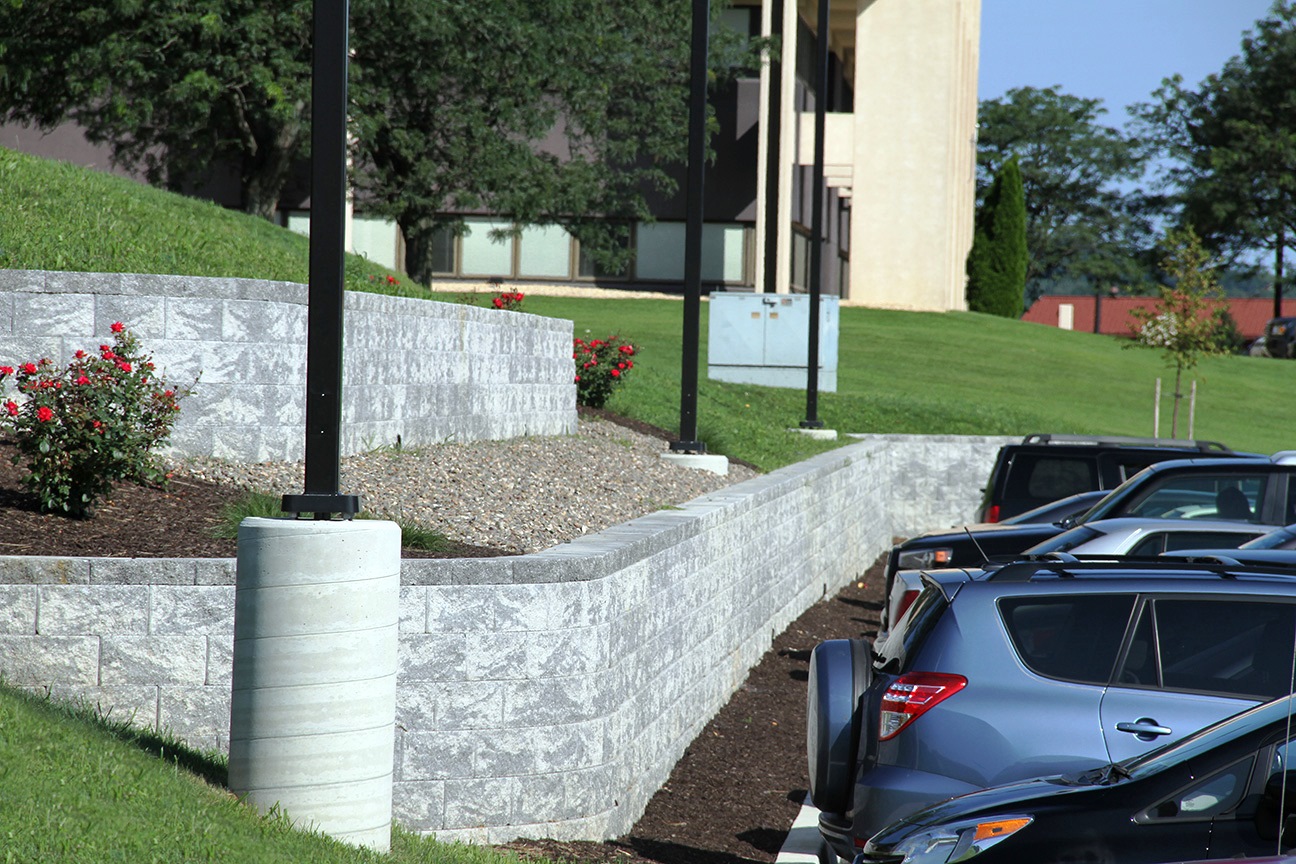
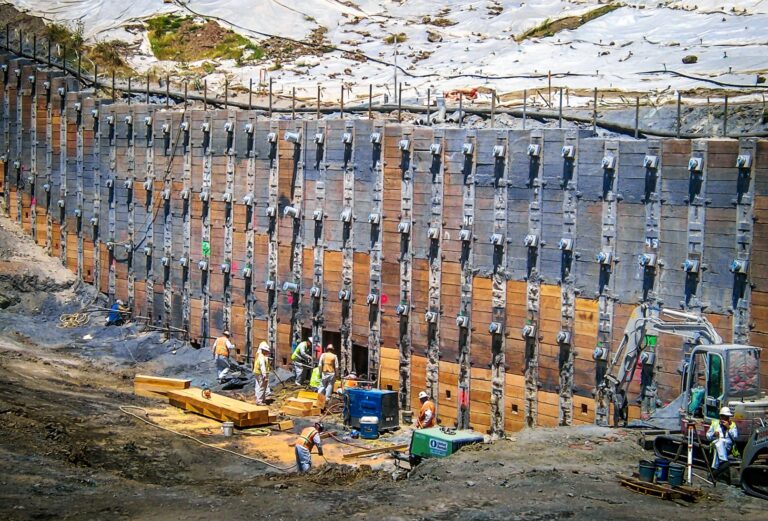
A shopping center required a large retention wall to support a newly expanded parking lot. The contractor constructed a 12-foot tiered wall system using modular concrete blocks and geogrid reinforcement. Proper drainage systems were included to handle rainwater runoff.
The case illustrates how contractors provide engineered solutions for heavy-duty applications, ensuring both safety and usability in commercial developments.
Decorative Garden Retention Wall

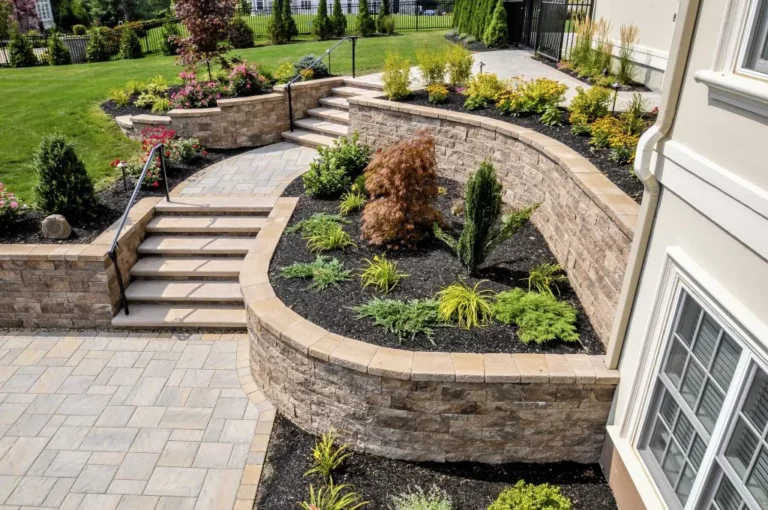
A homeowner wanted to create terraced garden beds on a sloped yard. A contractor installed a 3-foot decorative stone wall. While small in scale, the wall required proper base preparation and gravel drainage to ensure stability. The design also integrated planting areas to enhance visual appeal.
This example shows how even small projects benefit from contractor expertise to achieve long-lasting and attractive results.
Public Infrastructure Retention Wall
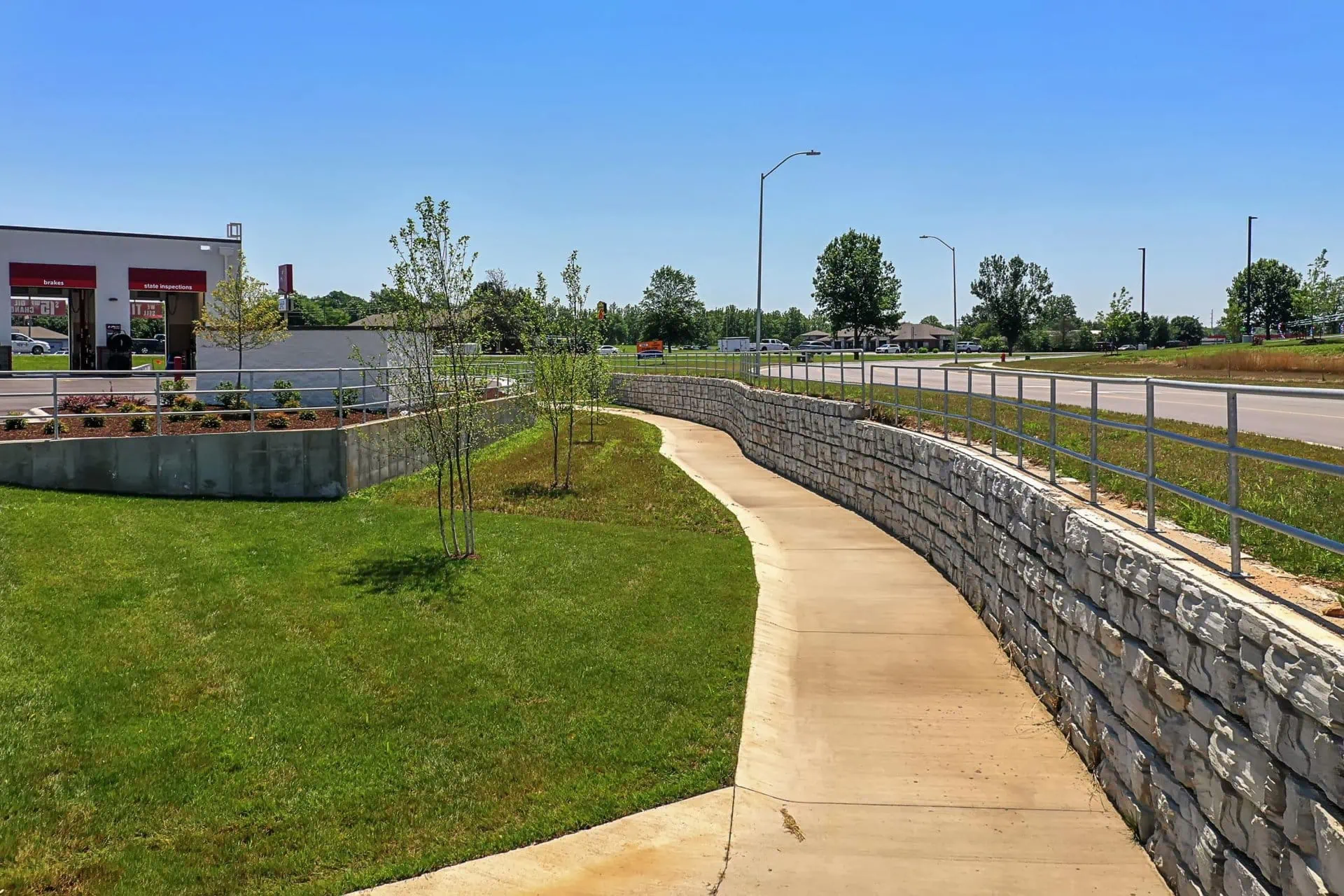
A city project required retention walls for a new roadway along a hillside. Contractors constructed reinforced concrete walls with seismic-resistant features to withstand earthquakes common in the region. Multiple inspections ensured compliance with public safety standards.
This project demonstrates the role of retention wall contractors in critical infrastructure, where public safety is paramount.
Practical Use Cases of Retention Wall Contractors
Retention wall contractors play an important role across residential, commercial, and public projects. Their expertise solves several real-world challenges:
- Erosion Control – Prevents soil washouts in sloped landscapes.
- Property Development – Creates flat, usable land for construction or landscaping.
- Infrastructure Stability – Supports roads, highways, and bridges in challenging terrains.
- Flood Management – Retention walls combined with drainage systems help manage water flow.
- Aesthetic Landscaping – Adds visual appeal with terraced gardens and decorative finishes.
By addressing these challenges, contractors make properties safer, more functional, and more visually appealing.
Challenges Faced by Retention Wall Contractors
Despite their expertise, contractors face several challenges:
- Soil Variability – Unpredictable soil conditions require advanced engineering solutions.
- Water Drainage Issues – Poor water management can compromise wall stability.
- Permit and Regulatory Requirements – Securing approvals may delay projects.
- Cost Constraints – High-quality materials and engineering add to project budgets.
Overcoming these challenges requires collaboration between contractors, engineers, and property owners.
Long-Term Benefits of Professional Retention Walls
Hiring contractors ensures that retention walls deliver long-term benefits:
- Structural Safety – Properly engineered walls reduce the risk of collapse.
- Increased Property Value – High-quality walls enhance both function and aesthetics.
- Durability – Professional construction ensures the wall withstands environmental pressures.
- Maintenance Efficiency – Well-designed walls require fewer frequent repairs.
- Sustainability – Contractors integrate eco-friendly designs that reduce environmental impact.
These benefits make professional retention wall contractors a valuable investment for any project.
Future Trends in Retention Wall Construction
The construction industry continues to evolve, and contractors are adopting new methods to improve retention wall projects:
- Eco-Friendly Materials – Use of recycled concrete and sustainable aggregates.
- Green Retaining Walls – Walls designed to support vegetation and improve air quality.
- Smart Drainage Systems – Advanced monitoring to detect water buildup and pressure.
- Seismic-Resistant Designs – Stronger reinforcements for earthquake-prone regions.
These innovations highlight how contractors are moving toward more sustainable and resilient solutions.
Frequently Asked Questions
1. How do I know if I need a retention wall contractor for my project?
If your project involves soil retention, slope stabilization, or creating level ground on uneven terrain, hiring a contractor ensures safety, compliance, and long-term durability.
2. What is the average timeline for a retention wall project?
Timelines vary depending on wall height, materials, and site conditions. Small residential projects may take a few days, while large commercial or public works projects can take weeks or even months.
3. What risks exist if I build a retention wall without a contractor?
DIY walls often lack proper engineering, which can lead to collapse, erosion issues, or costly repairs. Professional contractors provide the expertise necessary for safe and lasting construction.