Corten Steel Planter Bed: Complete Guide, Benefits, and Design Inspirations
Corten steel planter beds have become one of the most sought-after landscape and garden design elements in recent years. Known for their rustic yet modern appeal, durability, and low maintenance, they are widely used in both residential and commercial settings. This guide will provide in-depth insights into corten steel planter beds, including benefits, practical applications, real-world examples, and expert considerations.
What is a Corten Steel Planter Bed?
A corten steel planter bed is a raised or ground-level planter constructed using corten steel, a weathering steel alloy designed to develop a protective rust-like patina when exposed to the elements. Unlike regular steel that deteriorates, corten steel forms a stable surface layer that prevents deeper corrosion.
These planter beds are especially valued for their ability to combine structural integrity with a distinctive aesthetic. Their warm, earthy tones evolve, making them suitable for a variety of garden styles from industrial-inspired designs to naturalistic landscapes.
Why Corten Steel is Unique Compared to Other Materials
Corten steel stands out because of its weathering properties. Instead of deteriorating, the outer layer transforms into a protective coating. This unique quality makes it one of the most durable materials for outdoor applications.
Other planter materials, such as wood, concrete, or plastic, may degrade under harsh conditions. In contrast, corten steel provides a balance of longevity, strength, and timeless style that adapts beautifully to changing outdoor environments.
Benefits of Using a Corten Steel Planter Bed
Insert image of the product
Durability and Longevity
Corten steel planter beds can last for decades without requiring replacement. The natural patina not only adds beauty but also acts as a shield against further rust penetration. This eliminates the need for paints or coatings.
Low Maintenance
Unlike wood that requires sealing or concrete that may crack, corten steel beds require little to no maintenance. Once the patina has fully developed, the planter becomes self-sustaining in its protection.
Aesthetic Appeal
The rich, earthy rust tones of corten steel blend seamlessly into both modern and rustic landscapes. Their evolving appearance allows them to age gracefully, adding character to gardens over time.
Structural Strength
Corten steel is resistant to warping, cracking, or deformation, even under heavy soil loads. This makes it ideal for large garden projects or tiered planting structures.
Real-World Examples of Corten Steel Planter Beds
Large Rectangular Corten Steel Planter Bed for Modern Gardens
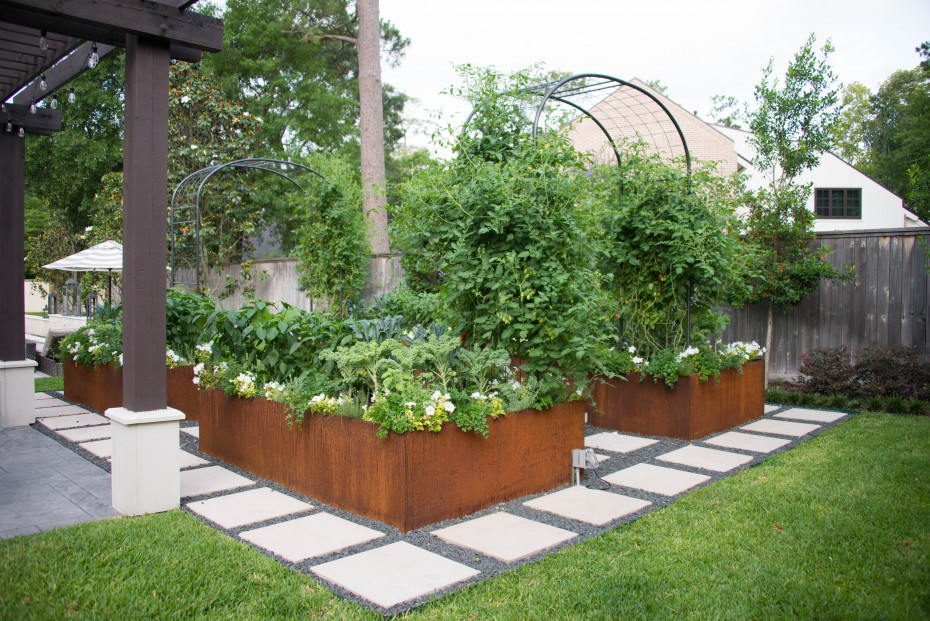
One popular application is the use of large rectangular corten steel planter beds in modern urban gardens. These beds are typically designed with sharp edges and clean lines, aligning with minimalist aesthetics. They are commonly installed on rooftops, patios, and commercial courtyards.
The durability of corten steel ensures that these planters can handle seasonal changes without compromising structure. Their modern look adds sophistication to urban landscapes while still maintaining natural harmony.
Round Corten Steel Planter Bed for Landscape Focal Points
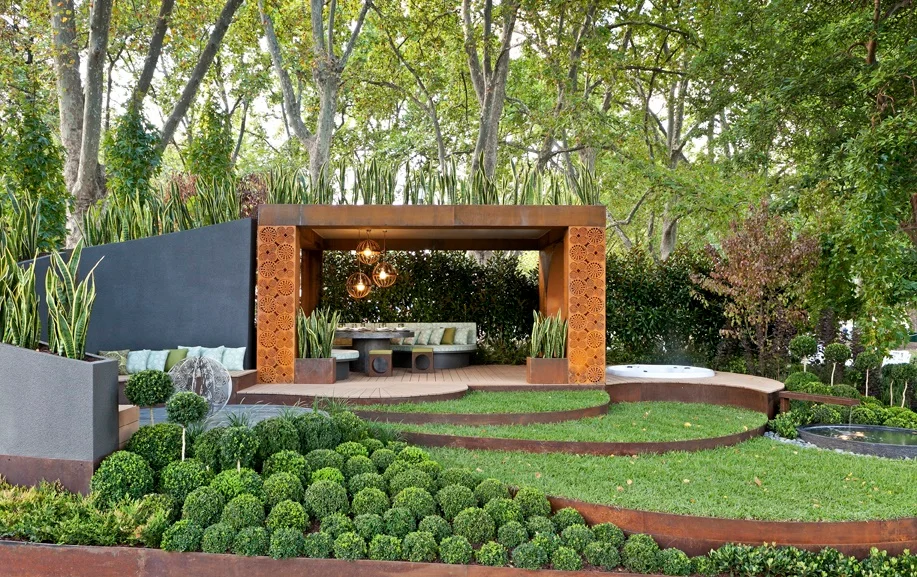
Round corten steel planter beds serve as stunning focal points in public parks or private gardens. Their symmetrical shape softens the rugged texture of the steel while providing a central planting area.
They are often used to showcase ornamental trees, shrubs, or multi-layered flower arrangements. The patina of the corten steel creates a dramatic backdrop for vibrant greenery and floral displays, making the planter bed a living piece of art.
Tiered Corten Steel Planter Bed for Sloped Landscapes
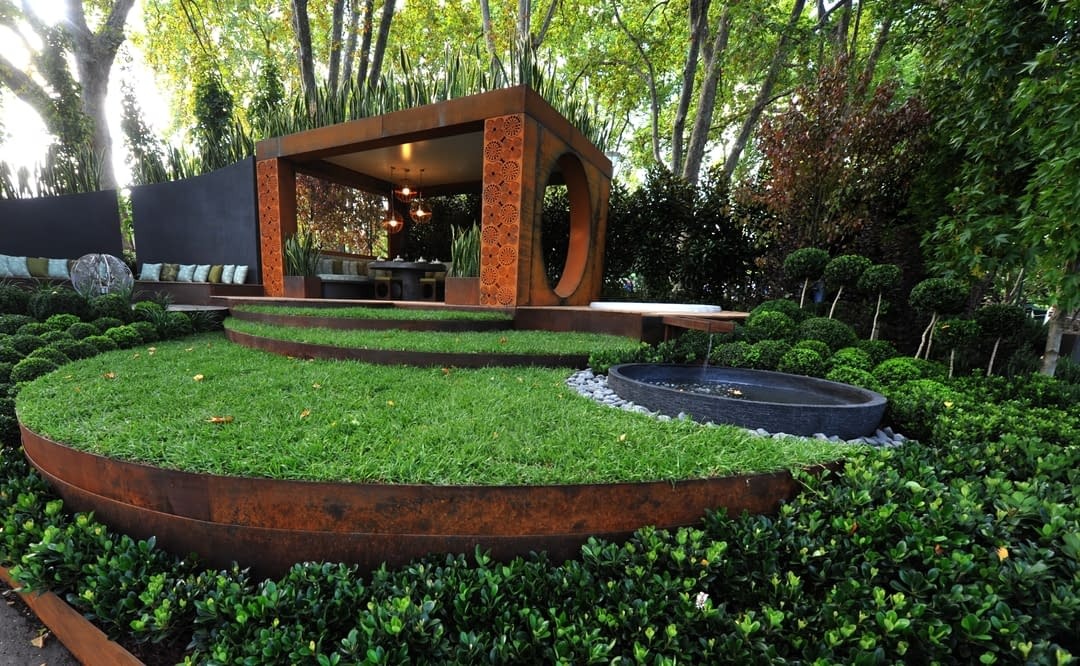
In sloped or uneven landscapes, tiered corten steel planter beds provide both functionality and beauty. By stacking multiple layers of corten steel structures, landscapers can create terraces that prevent soil erosion while enhancing planting space.
This design not only improves functionality but also creates visually striking levels within the garden. The weathered steel integrates seamlessly with natural stone or gravel, producing a cohesive, modern-rustic aesthetic.
Custom Geometric Corten Steel Planter Beds
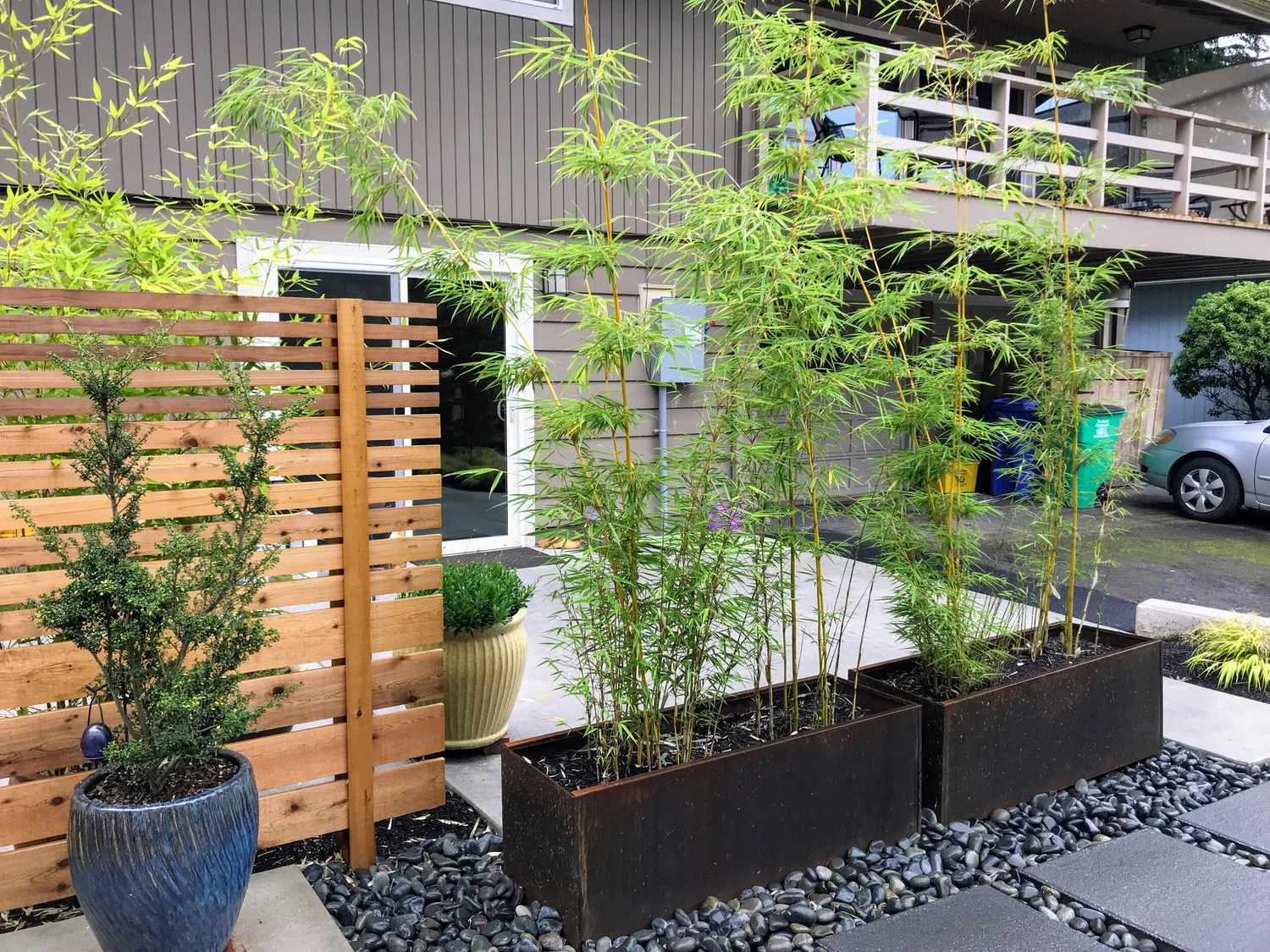
Some designers experiment with unique geometric planter bed designs, such as hexagons, trapezoids, or custom patterns. These corten steel structures offer creative possibilities for large public gardens, art installations, or contemporary backyards.
Custom corten steel planter beds reflect a bold design statement. They emphasize architectural lines and allow gardeners to integrate planting with artistry, transforming outdoor areas into sculptural landscapes.
Use Cases of Corten Steel Planter Beds
Enhancing Modern Residential Gardens
For homeowners seeking a sleek and durable option, corten steel planter beds provide the perfect balance of function and style. They can frame pathways, define seating areas, or highlight specific plants.
Public Parks and Urban Landscaping
Municipal projects increasingly adopt corten steel planter beds for their resilience and aesthetic impact. They are often installed along pedestrian walkways, plazas, or green spaces where durability is essential.
Rooftop and Patio Gardens
Corten steel’s lightweight construction compared to stone or concrete makes it suitable for rooftop gardens. Their sharp-edged design complements the architectural look of modern high-rise buildings.
Commercial Outdoor Spaces
Restaurants, hotels, and office complexes use corten steel planter beds to enhance outdoor dining and relaxation areas. Their visual appeal attracts customers and creates inviting atmospheres.
Practical Considerations Before Using Corten Steel Planter Beds
Drainage and Soil Health
While corten steel is durable, proper drainage is crucial to prevent waterlogging. Designers often incorporate internal liners or drainage layers to maintain plant health.
Patina Development Period
Corten steel does not develop its protective layer instantly. The weathering process may take months to years, depending on the climate. During this time, the steel may leave rust stains on nearby surfaces, so placement should be considered carefully.
Size and Weight
Although corten steel is lighter than stone, large planter beds can still be heavy. Proper installation and foundation preparation may be necessary for long-term stability.
Frequently Asked Questions (FAQ)
1. Does corten steel affect plant health?
No, corten steel is safe for plants once its patina has fully developed. The protective layer prevents harmful leaching into the soil, making it a secure choice for edible and ornamental gardens.
2. How long does it take for corten steel to develop its patina?
Depending on local weather conditions, it may take 6 months to 2 years for corten steel to fully weather. The process is natural and requires no additional treatment.
3. Can corten steel planter beds be used indoors?
While possible, corten steel planter beds are primarily designed for outdoor use. Indoor use may cause staining due to water runoff during the patina formation process. For interiors, it is recommended to seal the steel or use a protective liner.