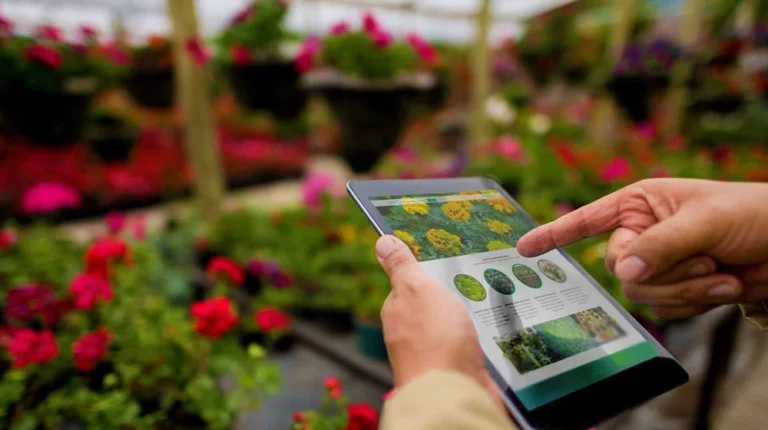
Designing a Native Garden: Complete Guide with Examples and Benefits
Designing a native garden is more than just arranging plants; it’s about building a sustainable ecosystem that thrives naturally in your local environment. Native gardens rely on species that have evolved in harmony with local soils, climate, and wildlife. This approach not only reduces maintenance and water usage but also fosters biodiversity and resilience.
In this guide, we’ll explore how to design a native garden, discuss its ecological and practical benefits, examine real-world examples, and highlight the role of modern tools and approaches in achieving success.
Understanding Native Gardens
A native garden is built around plants that are indigenous to a specific region. These species are naturally adapted to the climate, rainfall, and soil conditions, which makes them easier to maintain compared to exotic or non-native plants.
Native gardens also support pollinators, birds, and beneficial insects. This creates a balanced ecosystem where nature does much of the work, reducing the need for chemical fertilizers or pesticides. By focusing on local plant varieties, homeowners and landscapers can achieve a more authentic, low-maintenance, and environmentally friendly outdoor space.
Why Designing a Native Garden Matters
Native garden design is not just a trend; it is a response to pressing environmental challenges. As urbanization spreads, natural habitats shrink. Introducing native plants into home gardens helps restore lost biodiversity, supports pollinators, and reduces the ecological footprint of landscaping practices.
For individuals, a native garden means less watering, fewer chemical inputs, and lower maintenance costs. For communities, it can mean stronger resilience against droughts, reduced urban heat, and improved ecological health.
Key Principles of Designing a Native Garden
Understanding the Local Environment
The first step in designing a native garden is to study the local climate, rainfall patterns, and soil type. Knowing whether your region has dry summers, heavy winter rains, or clay-dominant soils will guide the choice of native plants that will flourish without excessive intervention.
Layering Plant Structures
Native gardens often mimic natural landscapes, with layers of ground covers, shrubs, and canopy trees. This layering supports a wider variety of wildlife while also creating natural shade, soil enrichment, and erosion control.
Creating Habitat Diversity
Incorporating a mix of flowering plants, grasses, and shrubs ensures seasonal variation in color and food supply for pollinators. This approach not only enhances visual appeal but also strengthens the ecological function of the garden.
Real-World Examples of Native Garden Projects
Residential Native Garden in California
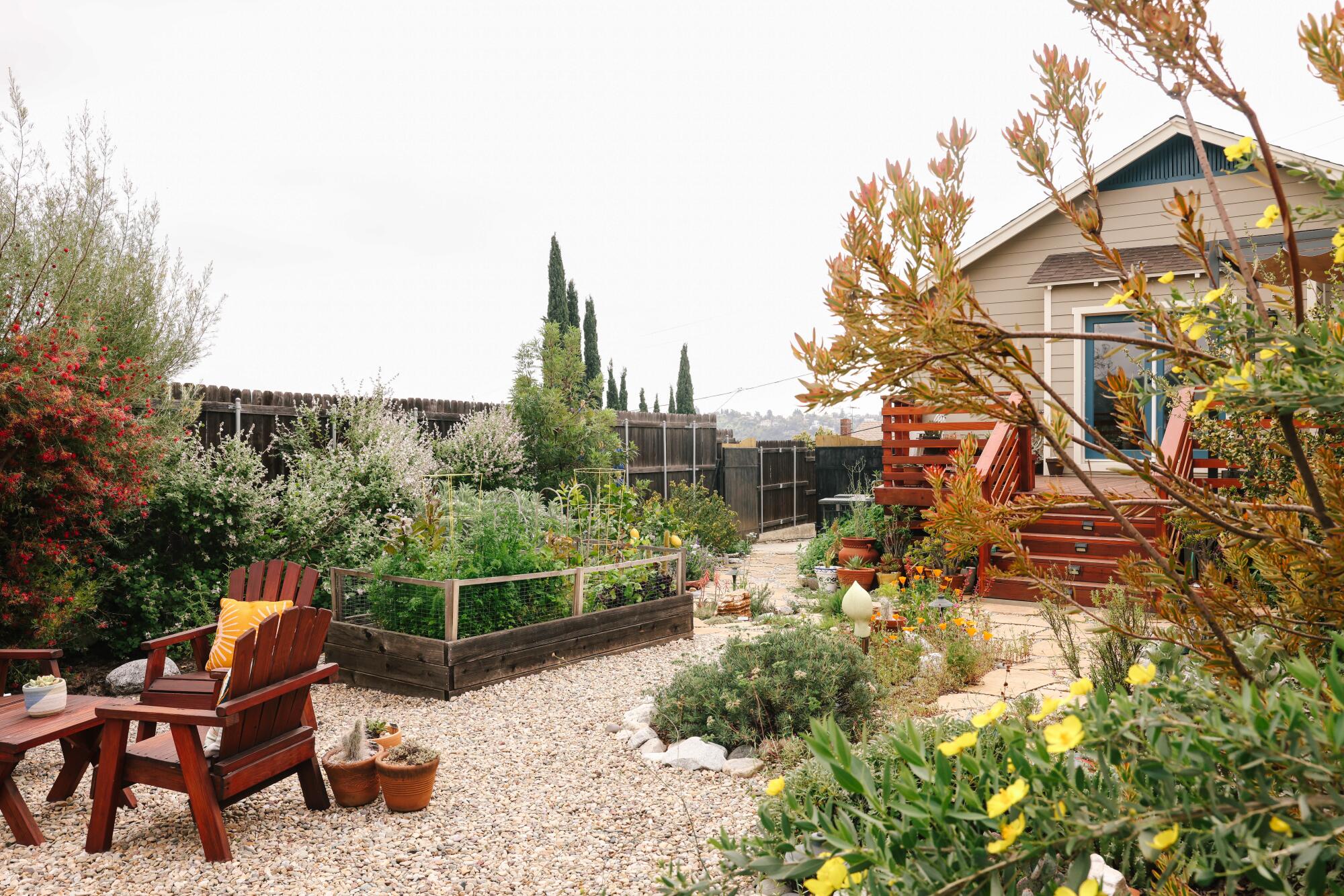
In California, drought has shaped how homeowners approach landscaping. A native garden project in Los Angeles replaced a traditional grass lawn with drought-tolerant species like California poppy, manzanita, and purple sage. The result was a colorful, low-water garden that attracted hummingbirds and butterflies year-round.
This example demonstrates how native gardens can thrive even in arid regions. By reducing irrigation needs, the project cut household water usage by nearly 40%, while also eliminating the need for chemical lawn treatments.
Public Park Restoration in Australia
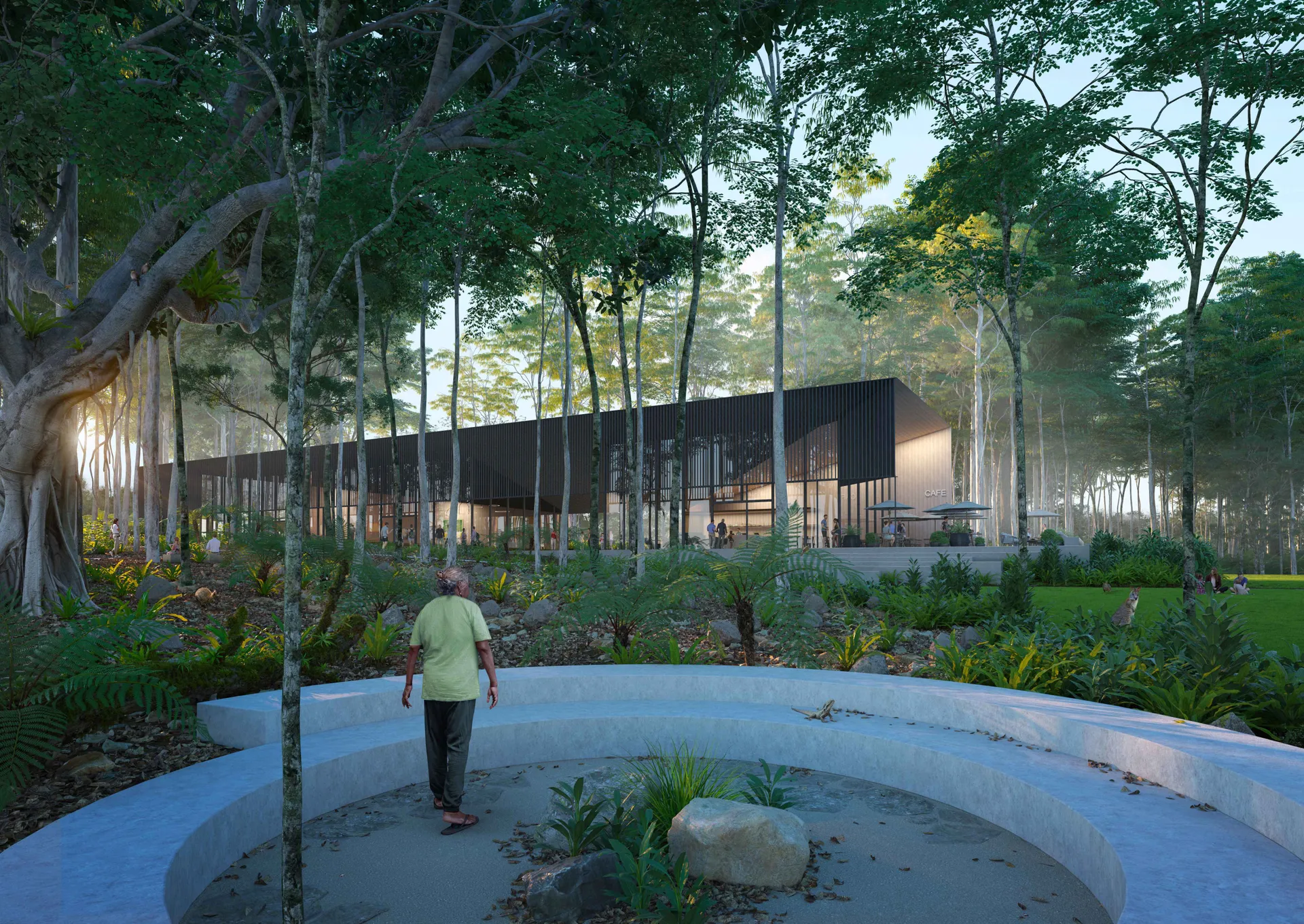
A major native garden initiative in Sydney restored sections of a public park with indigenous grasses, wattles, and eucalyptus trees. The project created walking trails surrounded by natural plantings that reconnected urban residents with the local landscape.
The restoration not only reduced park maintenance costs but also revived the presence of native bird species that had been declining. It became an educational resource for schools, showcasing how urban landscapes can coexist with biodiversity.
Urban Rooftop Native Garden in Chicago
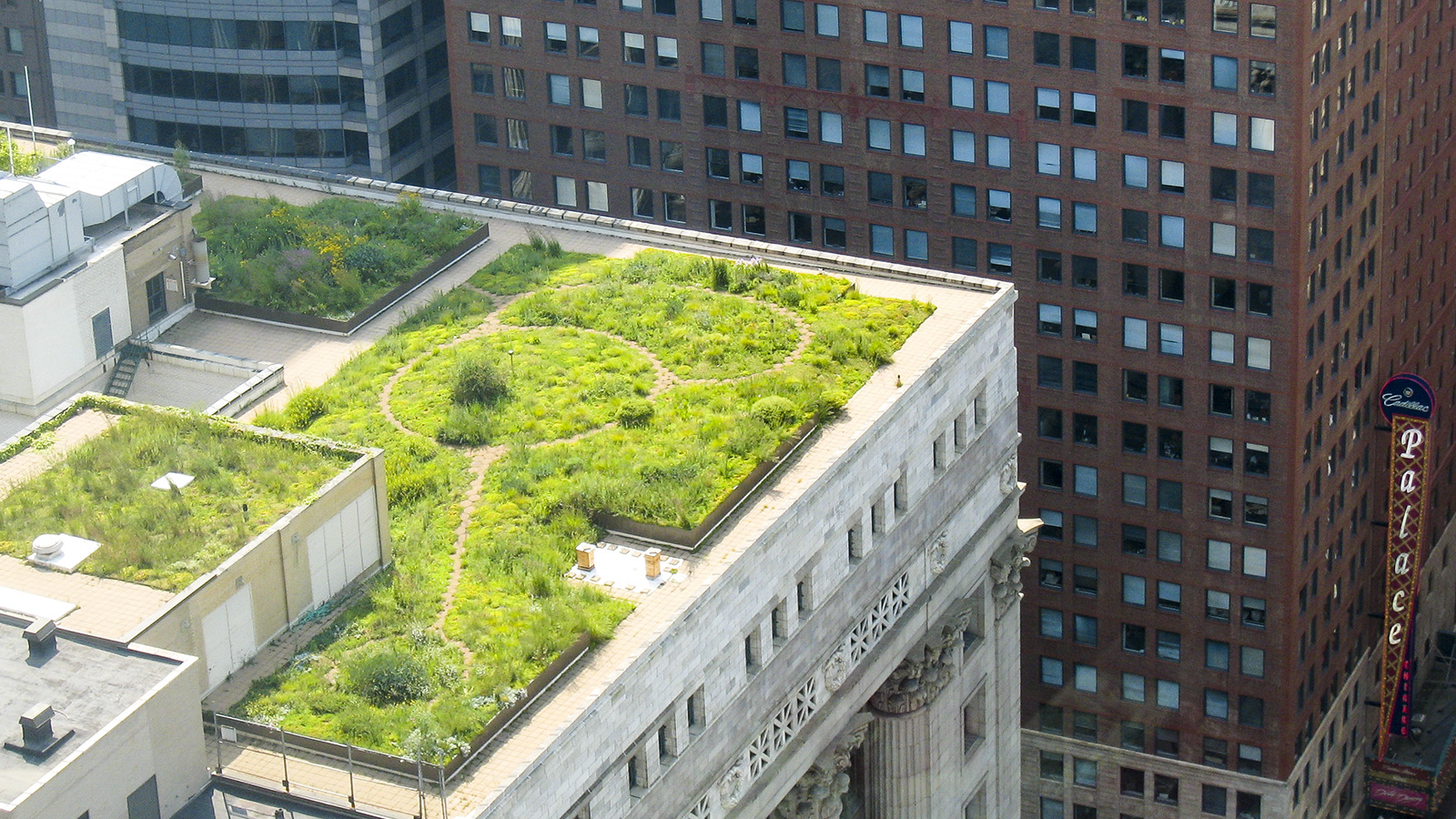
An innovative rooftop garden in Chicago incorporated Midwest native species such as prairie grasses, coneflowers, and wild bergamot. The green roof not only improved insulation for the building but also created a habitat for pollinators in the heart of the city.
This case highlights how native garden design can adapt to unconventional settings. It solved multiple problems at once: reducing urban heat island effects, lowering energy bills, and enhancing urban biodiversity.
Educational Native Garden in South Africa,
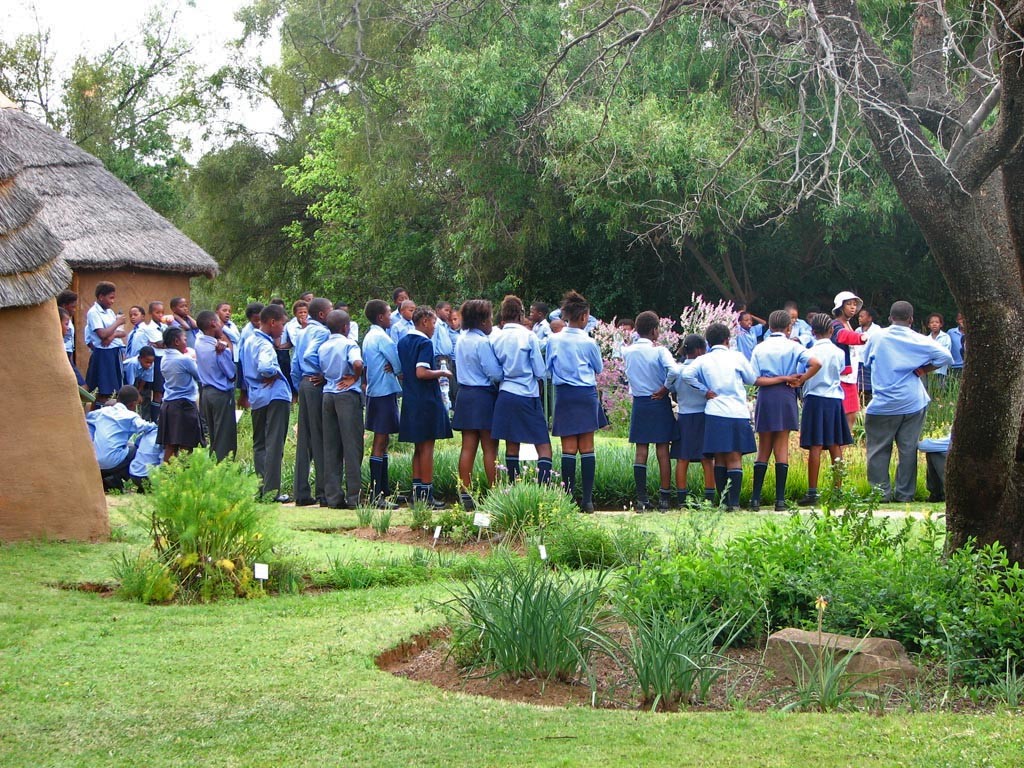
In Cape Town, an educational garden was developed using native fynbos species. This project helped raise awareness about the importance of protecting local ecosystems. The garden served as both a research center and a public educational space.
Students and visitors could see firsthand how native species thrive with minimal irrigation and chemical inputs, reinforcing the value of sustainable gardening practices.
Benefits of Designing a Native Garden
Environmental Benefits
Native gardens conserve water, reduce reliance on fertilizers, and provide habitats for pollinators and birds. This creates self-sustaining landscapes that regenerate soil health and reduce carbon footprints.
Aesthetic and Cultural Benefits
Designing with native species reflects the natural beauty and cultural heritage of a region. Unlike generic landscapes, native gardens showcase the identity of the land and bring seasonal variation to outdoor spaces.
Practical and Economic Benefits
Because native plants are adapted to local conditions, they require less watering, fewer pesticides, and less maintenance overall. This reduces costs while providing a longer-lasting, resilient garden.
Technology in Native Garden Design
Modern tools are helping homeowners and landscapers design better native gardens. Landscape design software can simulate plant growth patterns and seasonal changes, helping users visualize how their gardens will evolve.
Drone mapping is another innovation that aids in assessing soil, topography, and irrigation needs for larger projects. Mobile applications also help identify local native species and recommend plant combinations based on location-specific data.
By leveraging these technologies, designing a native garden becomes more precise, efficient, and adaptable to individual needs.
Use Cases of Native Gardens
Solving Water Scarcity
In drought-prone areas, native gardens help homeowners maintain green landscapes while cutting irrigation needs dramatically. This makes them a vital solution for regions struggling with water shortages.
Restoring Urban Biodiversity
Cities often replace natural habitats with concrete and lawns. By creating pockets of native gardens in parks, rooftops, and residential areas, urban planners can bring back pollinators, birds, and natural cycles.
Reducing Maintenance Burden
For busy households or organizations, native gardens offer a low-maintenance alternative. With minimal need for chemical inputs and mowing, they save both time and resources.
FAQs About Designing a Native Garden
Q1: How do I start designing a native garden?
Start by researching local native plants, assessing your soil type, and planning a layout with layered vegetation. Consulting regional plant guides or visiting local botanical gardens can inspire.
Q2: Can I mix native and non-native plants in my garden?
Yes, but balance is important. While native plants should dominate, carefully selected non-invasive species can complement the design. The goal is to maintain ecological balance without harming local biodiversity.
Q3: Do native gardens require fertilizers and pesticides?
In most cases, no. Native plants are adapted to local soil and climate, meaning they require little to no chemical input. In fact, avoiding fertilizers and pesticides often allows the ecosystem to regulate itself more effectively.