Concrete Walls Near Me: Complete Guide to Durable Construction Solutions
Concrete walls have become a vital component in modern construction, providing a balance of strength, design flexibility, and long-lasting performance. When people search for “concrete walls near me”, they are often looking for reliable information about local construction options, design possibilities, and practical use cases. This article explores everything you need to know about concrete walls, including their benefits, design options, real-world applications, and examples of successful projects.
Understanding the Importance of Concrete Walls
Concrete walls are widely recognized for their durability and ability to withstand environmental challenges. Unlike traditional wooden or brick walls, concrete walls offer enhanced fire resistance, moisture protection, and structural strength. Whether for residential homes, commercial buildings, or landscaping projects, concrete walls serve both functional and aesthetic purposes.
For homeowners, they provide privacy, noise reduction, and a clean architectural finish. For businesses, they enhance security and offer a modern industrial appeal. In outdoor landscapes, concrete retaining walls not only prevent soil erosion but also create functional spaces.
Benefits of Choosing Concrete Walls Near You
Durability and Longevity
Concrete walls are built to last. They can withstand extreme weather conditions, from heavy rain and strong winds to blazing sun and freezing temperatures. Unlike other materials, concrete does not rot, warp, or deteriorate quickly. This makes it an ideal long-term investment.
Additionally, reinforced concrete walls provide structural stability that can last decades with minimal maintenance. This resilience reduces the need for costly repairs and replacements, giving property owners peace of mind.
Design Flexibility and Aesthetics
Modern concrete walls are not just about functionality. Today’s concrete technologies allow walls to be designed in various textures, finishes, and colors. From smooth polished finishes to stamped or decorative designs, concrete walls can complement any architectural style.
This design flexibility makes concrete walls suitable for both traditional and contemporary homes, commercial landscapes, and urban projects. They can be shaped, stained, or molded to match the aesthetic vision of a property.
Energy Efficiency
Concrete walls also contribute to energy efficiency. Their thermal mass helps regulate indoor temperatures by absorbing and storing heat during the day and releasing it at night. This natural insulation reduces heating and cooling costs, making concrete walls an environmentally conscious choice.
Real-World Examples of Concrete Walls
1. Residential Concrete Retaining Walls
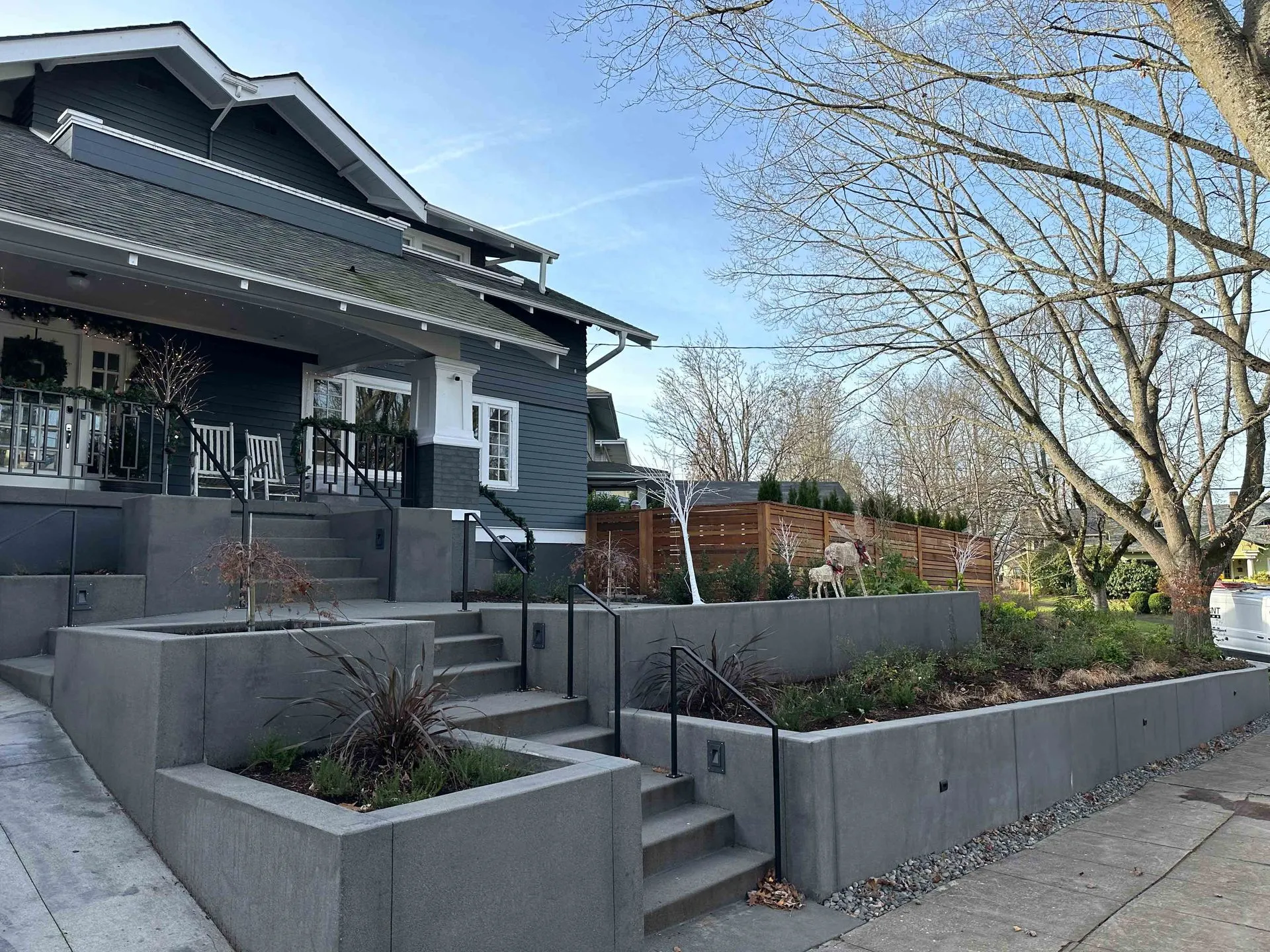
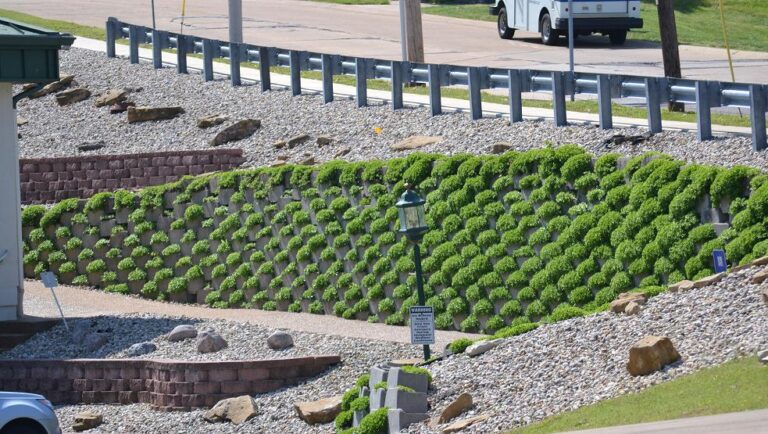
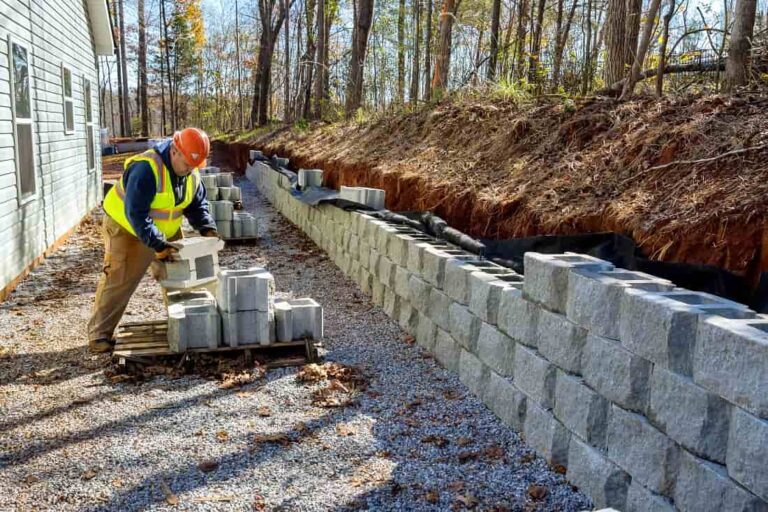
In many suburban neighborhoods, retaining walls are built with concrete to stabilize soil and create level yards. These walls not only prevent erosion but also provide additional usable space for gardens, patios, and outdoor living areas.
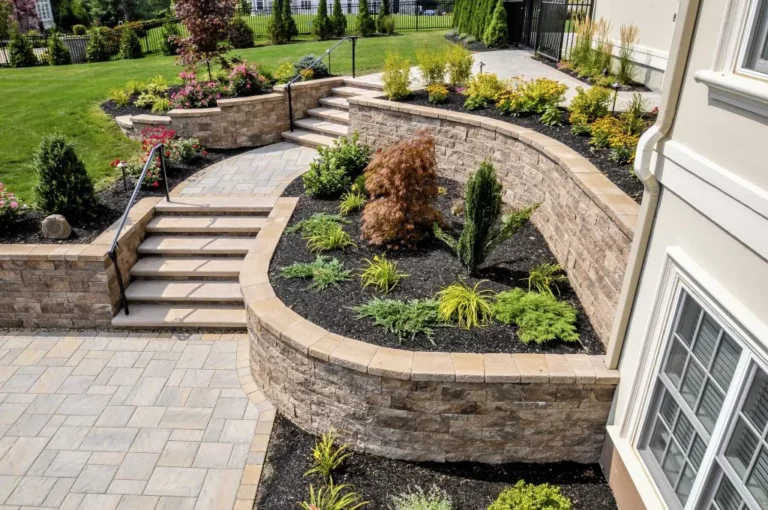
A residential project in the Midwest used decorative concrete retaining walls to transform a sloped backyard into a multi-level outdoor retreat. The walls incorporated natural stone patterns and earth-tone colors, blending seamlessly with the landscape while providing structural support.
2. Precast Concrete Sound Barriers for Highways
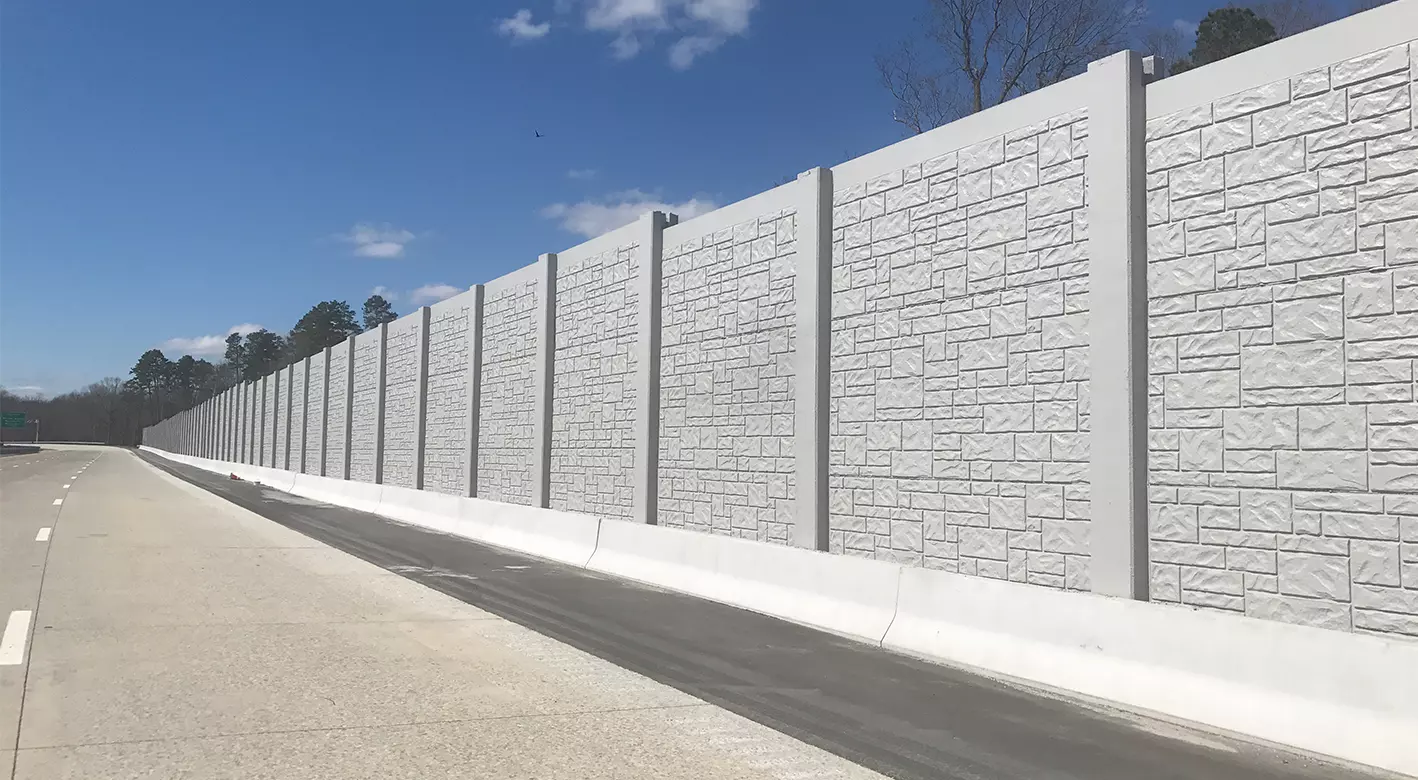
Precast concrete walls are often used in highway projects to reduce noise pollution. These sound barrier walls are manufactured off-site, ensuring quality and consistency, and then installed along busy roads to protect nearby neighborhoods from traffic noise.
For example, a transportation project in California implemented tall precast concrete walls with textured designs. The result was not only functional noise reduction but also an aesthetically pleasing structure that enhanced the highway’s visual appeal.
3. Concrete Security Walls for Commercial Properties
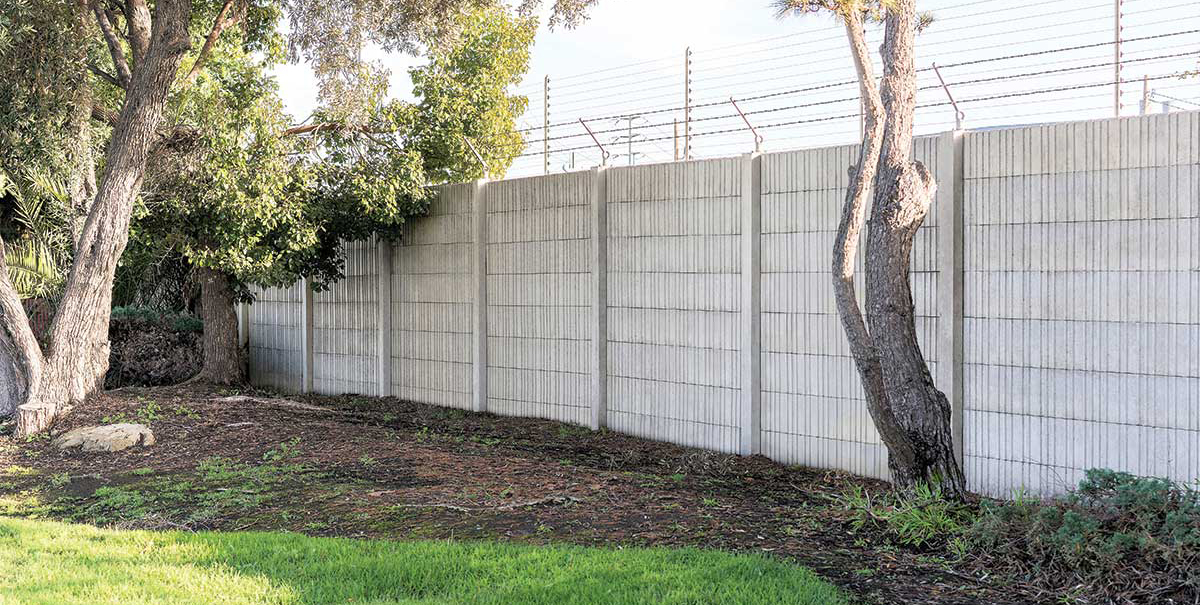
Businesses and institutions often rely on concrete security walls for added protection. These walls are much harder to breach compared to fences or lighter materials, making them a top choice for warehouses, factories, and government facilities.
In Texas, a distribution center built reinforced concrete perimeter walls to safeguard its property. The walls were designed with minimalistic aesthetics but provided maximum durability, ensuring both security and architectural harmony.
4. Decorative Concrete Walls in Urban Landscaping
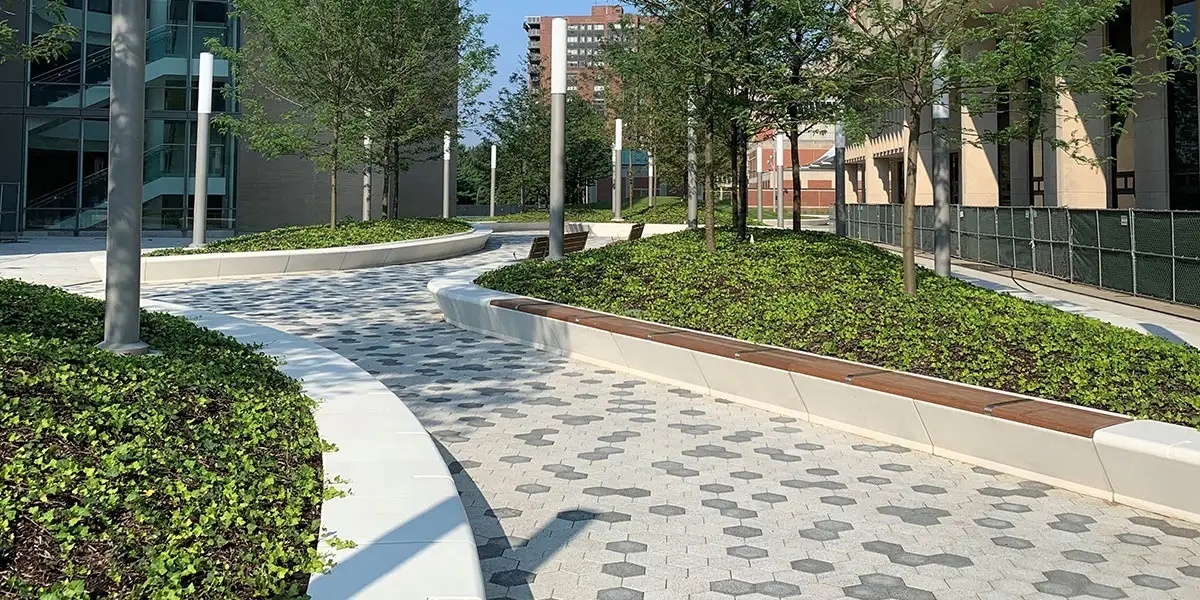
In urban developments, decorative nearby concrete wall builders serve as both functional and artistic elements. They can act as dividers, seating areas, or retaining features while enhancing the visual appeal of public spaces.
A city park renovation in New York incorporated curved concrete walls with integrated seating. The walls featured embedded LED lighting, turning them into both structural supports and design highlights for evening visitors.
Practical Use Cases of nearby concrete wall builders
Residential Homes
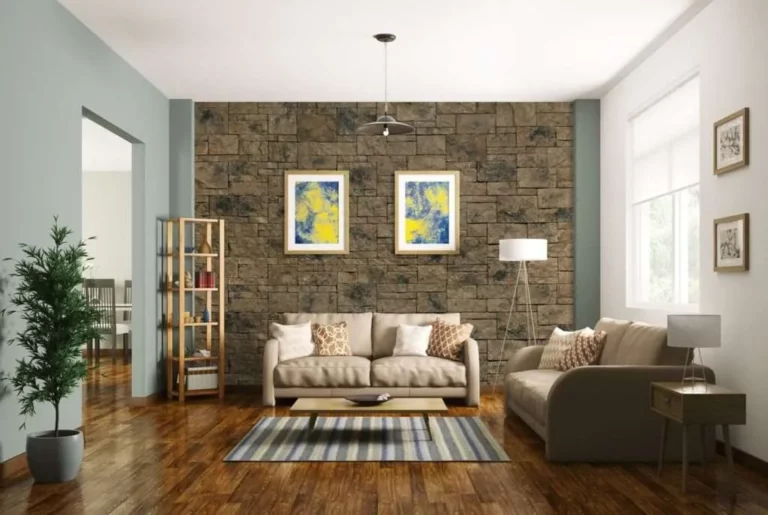
Nearby concrete wall builders are increasingly used in modern homes for both interiors and exteriors. They offer a sleek, industrial look while providing sound insulation and thermal regulation. Many homeowners also use concrete for privacy fences, garage walls, and basements.
Commercial and Industrial Buildings
For warehouses, factories, and office complexes, nearby concrete wall builders deliver unmatched durability. They resist fire, pests, and moisture while creating secure environments for equipment and staff. Many modern office buildings also integrate exposed nearby concrete wall builders into their designs for a modern, minimalist aesthetic.
Landscaping and Outdoor Spaces
In landscaping, nearby concrete wall builders play a vital role in shaping usable spaces. From raised garden beds to retaining walls and outdoor kitchens, concrete provides both structural support and design beauty. Their versatility allows designers to incorporate lighting, seating, and planters seamlessly.
Infrastructure and Public Projects
Governments and municipalities rely on nearby concrete wall builders for highways, tunnels, and public infrastructure. These walls provide stability, noise control, and long-term reliability in projects that must serve communities for decades.
Advantages of Using Modern Concrete Wall Technologies
Precast Concrete
Precast walls are manufactured in controlled environments, ensuring high precision and quality. They are transported and assembled on-site, reducing construction time and minimizing disruptions.
Insulated Concrete Forms (ICF)
ICF walls combine insulation with concrete to create energy-efficient structures. These walls are especially popular in eco-conscious residential projects where energy savings and sustainability are priorities.
Decorative and Stamped Concrete
Decorative techniques allow concrete to mimic the appearance of natural stone, brick, or wood while retaining its structural strength. Stamped or stained nearby concrete wall builders provide high-end aesthetics at lower costs.
Frequently Asked Questions
Q1: Are local concrete wall contractors suitable for residential homes?
Yes, local concrete wall contractors are increasingly used in residential settings. They provide excellent insulation, durability, and aesthetic flexibility. Homeowners often use them for basements, garages, and privacy fences.
Q2: How long do local concrete wall contractors typically last? Local concrete wall contractors can last for 50 to 100 years or more, depending on environmental conditions and maintenance. Their durability makes them a long-term investment compared to wood or brick.
Q3: What are the main advantages of precast local concrete wall contractors?
Precast walls are manufactured in controlled environments, ensuring consistent quality. They speed up installation, reduce waste, and can be customized with various finishes and textures.