Best Gardening Planner: Complete Guide to Organize Your Garden in 2025
Gardening is both an art and a science, requiring planning, patience, and consistency. For many homeowners, hobbyists, or professional landscapers, keeping track of planting schedules, soil conditions, and seasonal care can feel overwhelming. This is where a gardening planner becomes a powerful tool. Whether in the form of a physical journal or a digital application, the best gardening planner helps you stay organized, improve crop yield, and create a thriving garden all year round.
In this guide, we will explore what a gardening planner is, its benefits, and the best examples available today. You’ll also find practical use cases and answers to frequently asked questions, giving you a complete understanding of why this tool is essential for both beginners and experienced gardeners.
What is a Gardening Planner?
A gardening planner is a system, either digital or physical, that allows you to record, organize, and track every detail of your garden. It acts as both a diary and a scheduling tool. By using a planner, you can document planting dates, track germination success, monitor watering needs, and even evaluate which plants perform best under certain conditions.
Unlike a regular notebook, the best gardening planners are designed specifically for horticultural needs. They include dedicated sections for seed catalogs, crop rotation, soil testing records, fertilization logs, and seasonal calendars. This structured approach ensures that no detail is overlooked, saving time and reducing the frustration of failed crops.
Why Use the Best Gardening Planner?
The primary reason gardeners turn to planners is organization. Keeping track of hundreds of details without a proper system is difficult, especially if your garden contains multiple plant varieties. A planner eliminates guesswork and helps you avoid common mistakes such as planting too late, overwatering, or repeating crops in the same soil area.
In addition, using a gardening planner creates a personalized database of your own growing experiences. Over time, this record becomes an invaluable resource. You can look back on previous years, identify trends, and make smarter decisions for future planting seasons.
Benefits of Using a Gardening Planner
Organized Planting Schedules
One of the biggest advantages of using a gardening planner is the ability to maintain a structured planting calendar. By recording dates, you ensure that seeds are started on time and transplanted under optimal conditions. This precision increases plant survival rates and yields better harvests.
A well-designed planner also integrates seasonal reminders, helping you prepare for weather changes. For instance, you’ll know when to start mulching before the first frost or when to prune roses for spring bloom.
Better Resource Management
Planners help avoid waste by ensuring that seeds, fertilizers, and gardening tools are used efficiently. For example, if you track how many tomato plants succeeded last season, you can adjust your seed purchases accordingly. This reduces overspending and prevents clutter in storage.
Moreover, resource planning improves sustainability. By recording soil amendments, composting practices, and crop rotations, you can build a healthier ecosystem in your garden, reducing the need for chemical inputs.
Data-Driven Gardening Decisions
Unlike guessing or relying on general advice, a planner allows you to make decisions based on your garden’s actual history. For example, if you notice that lettuce struggles in one corner of your garden, you might attribute it to shade patterns or soil drainage. Such observations are only possible when records are carefully maintained.
Real-World Examples of the Best Gardening Planners
The Old Farmer’s Almanac Garden Planner
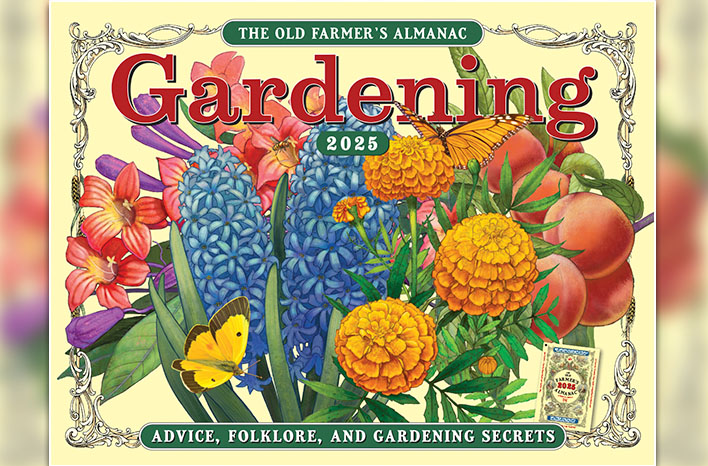
The Old Farmer’s Almanac Garden Planner is a digital tool that combines tradition with technology. It allows users to design garden layouts on a computer or tablet, making it especially useful for visual learners. You can drag and drop different plants onto a grid, helping you visualize spacing and companion planting combinations.
What makes this planner stand out is its database of thousands of plant varieties. It automatically adjusts recommendations based on your geographic location and frost dates. Over time, it stores your planting history, creating a personalized guide for future seasons.
Smart Gardener Online Planner
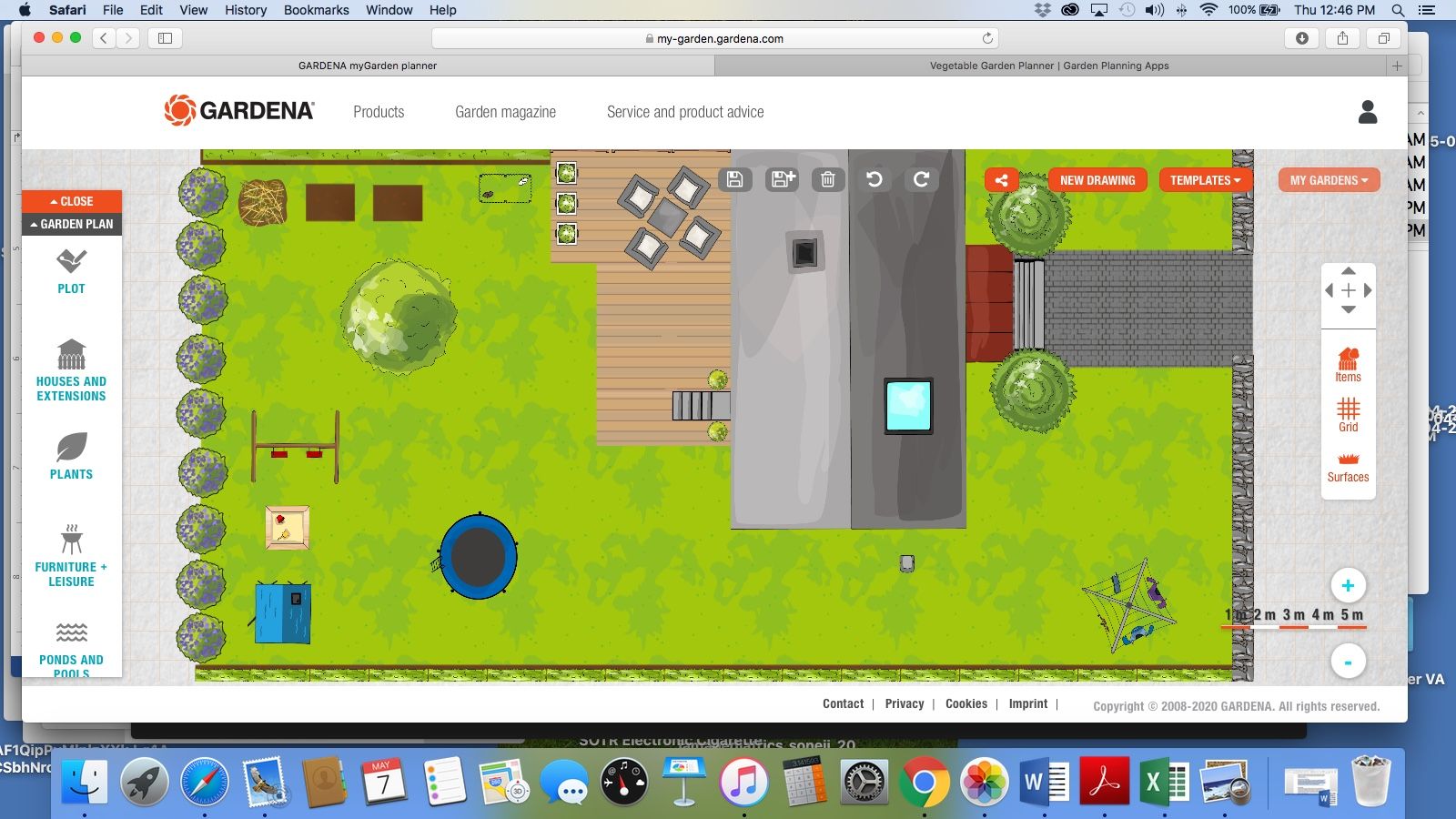
Smart Gardener is another digital planner designed for precision gardening. It offers customized planting schedules based on your zip code, helping you identify the best planting windows for each crop. The interface is user-friendly, making it accessible for beginners yet detailed enough for advanced gardeners.
The planner also tracks crop rotation, ensuring that soil nutrients remain balanced and pests are kept under control. Additionally, it generates weekly to-do lists, guiding you through watering, harvesting, and fertilizing tasks in a systematic way.
RHS Grow Planner
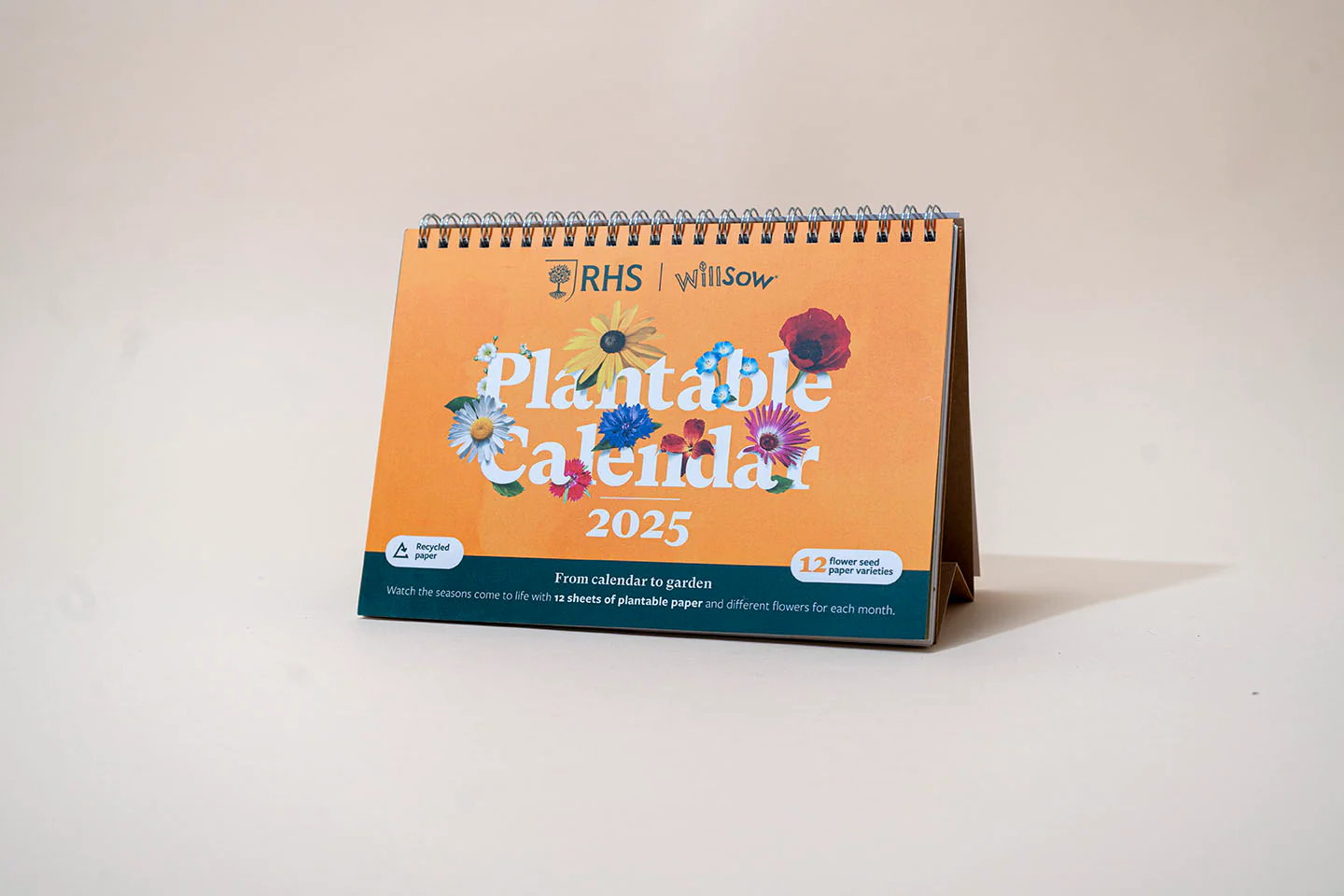
Developed by the Royal Horticultural Society, the RHS Grow Planner emphasizes practical gardening knowledge with professional insights. It integrates with regional climate data, offering timely alerts and seasonal advice.
The planner provides a month-by-month breakdown of essential gardening tasks. It also allows users to record plant notes, upload images, and track soil amendments. For gardeners looking for scientifically backed guidance combined with practical usability, this is an excellent choice.
Printable Gardening Journals
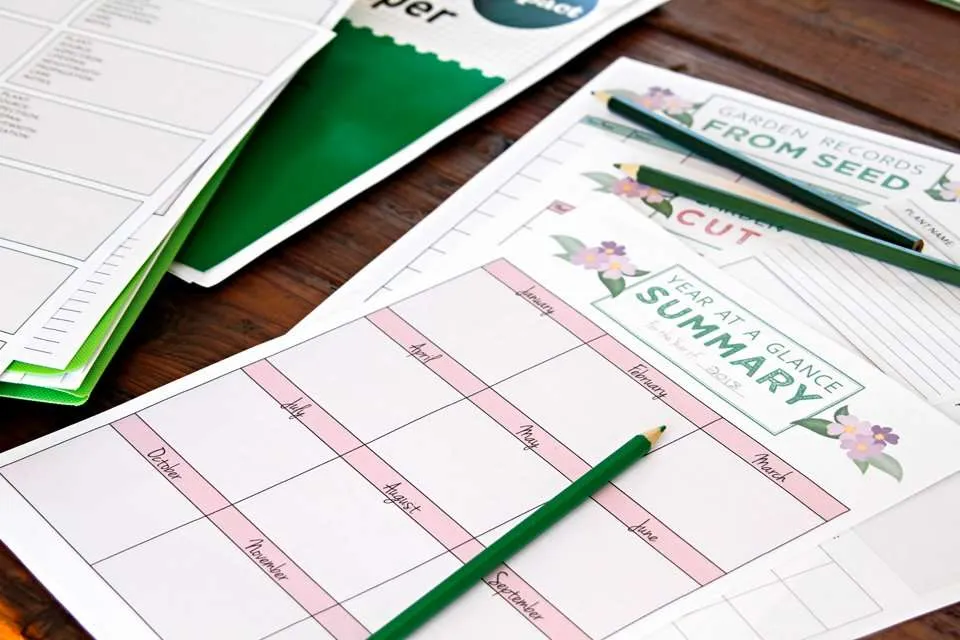
Not all gardeners prefer digital tools. Printable gardening journals remain popular because they provide a tactile, customizable format. Many of these planners include seed inventory sheets, garden maps, and watering logs. They’re also affordable and easy to personalize, as you can add pages according to your specific needs.
Unlike pre-structured apps, printable planners encourage creativity. You can sketch layouts, insert photographs, or annotate with personal insights. For hobbyists who enjoy journaling as much as gardening itself, this method offers both practicality and enjoyment.
Practical Use Cases of a Gardening Planner
Preventing Overcrowding
Many new gardeners struggle with spacing. Without a planner, it’s easy to plant too many seedlings close together. A gardening planner helps map out precise spacing, preventing competition for nutrients and improving overall plant health.
Improving Harvest Yields
By recording planting and harvest dates, gardeners can identify patterns that maximize yield. For example, you may discover that starting peppers indoors two weeks earlier results in larger fruit later in the season.
Pest and Disease Management
Detailed records allow you to track when pests appear and which treatments were effective. Over time, you’ll notice seasonal patterns, making it easier to take preventive measures before infestations become severe.
Multi-Season Gardening
For those with year-round gardens, planners help manage overlapping crops. You can schedule cool-season vegetables like kale alongside warm-season crops such as tomatoes, ensuring continuous production throughout the year.
How Technology Enhances Gardening Planners
Modern gardening planners often integrate mobile applications, cloud storage, and weather tracking. By syncing data across devices, you can access your planner in the garden, on your phone, or at home on your computer.
Some advanced planners connect with smart gardening tools such as soil sensors or irrigation controllers. This combination of data improves accuracy, allowing for precise watering schedules or nutrient adjustments.
Another advantage of technology is community integration. Many apps allow gardeners to share experiences, tips, and photos, building an interactive support system that enriches individual gardening practices.
Frequently Asked Questions
1. Do I need a digital gardening planner, or is a paper version enough?
Both are effective, but the choice depends on your preference. Digital planners provide advanced features such as climate tracking and automated reminders, while paper journals allow more creativity and personal customization.
2. How often should I update my gardening planner?
Ideally, after every gardening activity. Recording information promptly ensures accuracy and builds a reliable long-term reference. Even small details, like noting rainfall or pest sightings, add valuable context for future seasons.
3. Can gardening planners help with indoor gardening or container gardens?
Yes. Planners are adaptable to all garden types, whether outdoor beds, indoor containers, or balcony setups. Tracking watering, fertilization, and growth patterns is equally useful in small spaces as it is in large gardens.