Coastal Gardens Landscape: Complete Guide to Design, Plants, and Inspiration for Seaside Living
Coastal gardens landscape design offers a unique balance of beauty, resilience, and harmony with the seaside environment. Whether you live by the ocean or simply want to capture the breezy, salt-kissed atmosphere of coastal living, creating a coastal garden requires careful planning. From choosing hardy plants to designing spaces that withstand strong winds, this style of landscaping is about blending nature with functionality.
In this comprehensive guide, we’ll explore what coastal garden landscapes are, their benefits, practical use cases, and real-world examples that demonstrate how to make your outdoor space thrive.
What Is a Coastal Gardens Landscape?
A coastal garden landscape refers to an outdoor garden design inspired by seaside environments. These landscapes are influenced by sandy soils, salty air, strong winds, and often a minimal water supply. The goal is to build a garden that thrives under these conditions while still offering beauty and tranquility.
The essence of coastal gardens lies in embracing natural surroundings. Rather than resisting the rugged charm of the shoreline, coastal landscaping enhances it by selecting plants, materials, and layouts that harmonize with the seaside. Think of beach grasses swaying in the breeze, rustic driftwood features, and drought-tolerant plants that create both elegance and sustainability.
Key Characteristics of Coastal Gardens
Natural Resilience
Coastal gardens must withstand harsh conditions, including salty air, sandy or poor soil, and strong winds. Plant selections typically focus on hardy, salt-tolerant species.
Relaxed Design
Unlike highly manicured lawns, coastal gardens often embrace a wild, organic feel. Winding pathways, natural rock features, and native plants give the space an effortless beauty.
Sustainability
Water conservation is essential. Many coastal landscapes feature drought-tolerant plants, efficient irrigation systems, and natural mulching techniques.
Benefits of Coastal Gardens Landscape
Durable Beauty
Coastal gardens are built to last. By incorporating native and salt-tolerant plants, your garden maintains its beauty year-round, even in tough environments.
Environmental Adaptability
These gardens support local ecosystems by attracting pollinators such as butterflies and bees. They also help stabilize sandy soil and prevent erosion.
Lifestyle Enhancement
A coastal garden extends your living space outdoors, creating areas for relaxation, dining, or entertaining with a natural seaside backdrop.
Design Principles for Coastal Gardens
Choose Salt-Tolerant Plants
Selecting the right plants is crucial. Species like beach grass, lavender, rosemary, and succulents thrive in coastal conditions.
Use Natural Materials
Stone, gravel, weathered wood, and sand-based elements complement the environment while withstanding exposure to salt and wind.
Incorporate Wind Protection
Strategic placement of shrubs or low fencing creates natural windbreaks without obstructing ocean views.
Real-World Examples of Coastal Gardens
Dune Grass Coastal Retreat
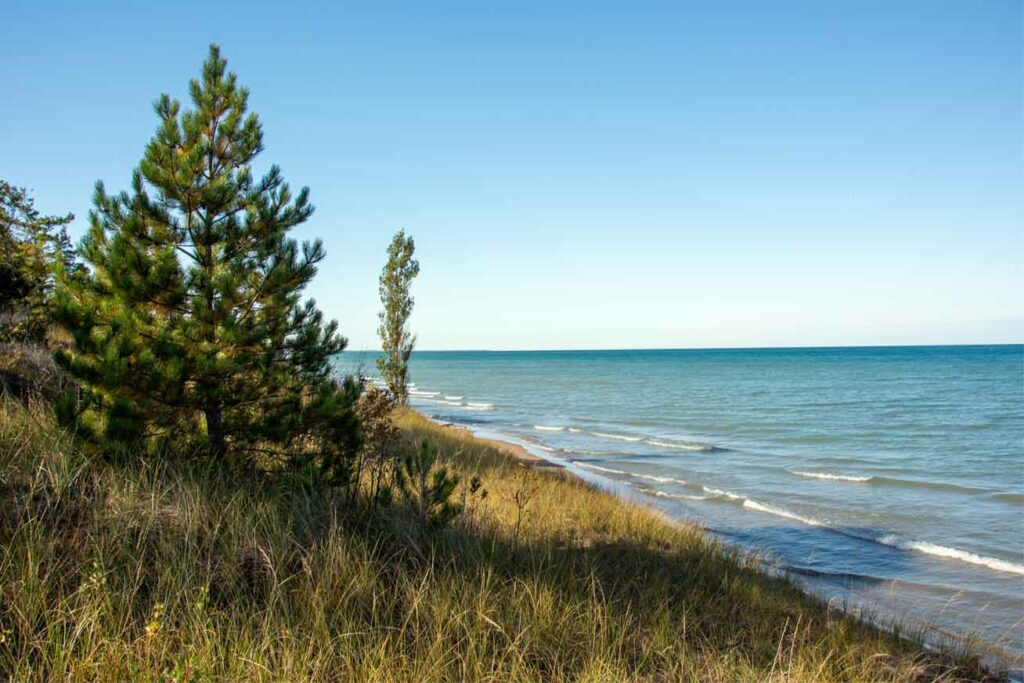
One of the most iconic features of coastal gardens is the use of dune grasses. These grasses not only provide texture and movement but also help stabilize sandy soils. In many seaside homes, dune grasses are planted along pathways or near dunes to replicate a natural shoreline feel.
They thrive with minimal maintenance and require little water. Their swaying effect in the wind adds visual interest and complements the sound of nearby waves, making them ideal for properties located directly on the coast.
Mediterranean Coastal Garden with Lavender
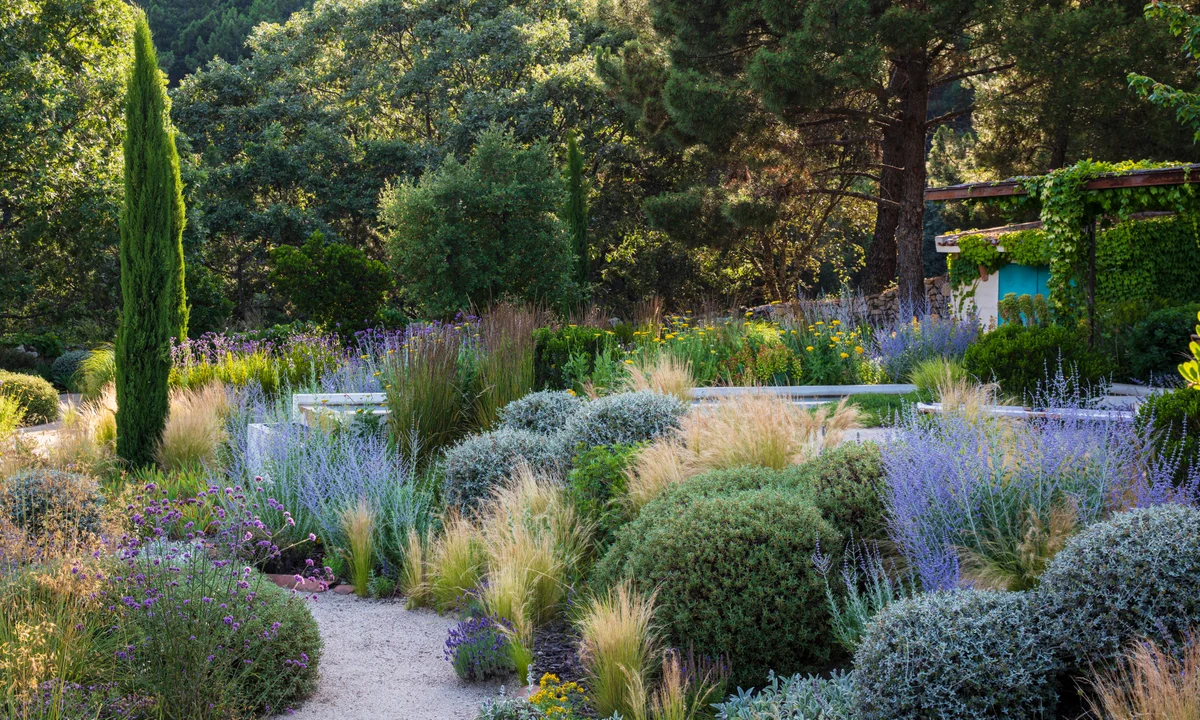
Lavender is a popular choice in coastal landscapes for its resilience and aromatic qualities. Mediterranean coastal gardens often feature lavender alongside rosemary and thyme, creating a drought-tolerant, fragrant oasis.
This style blends color and texture with functionality. Lavender fields provide pollinator habitats, while their purple hues contrast beautifully with sandy backdrops. Lavender’s durability against salt air makes it a perfect fit for front yards and borders near the sea.
Driftwood and Rock Features
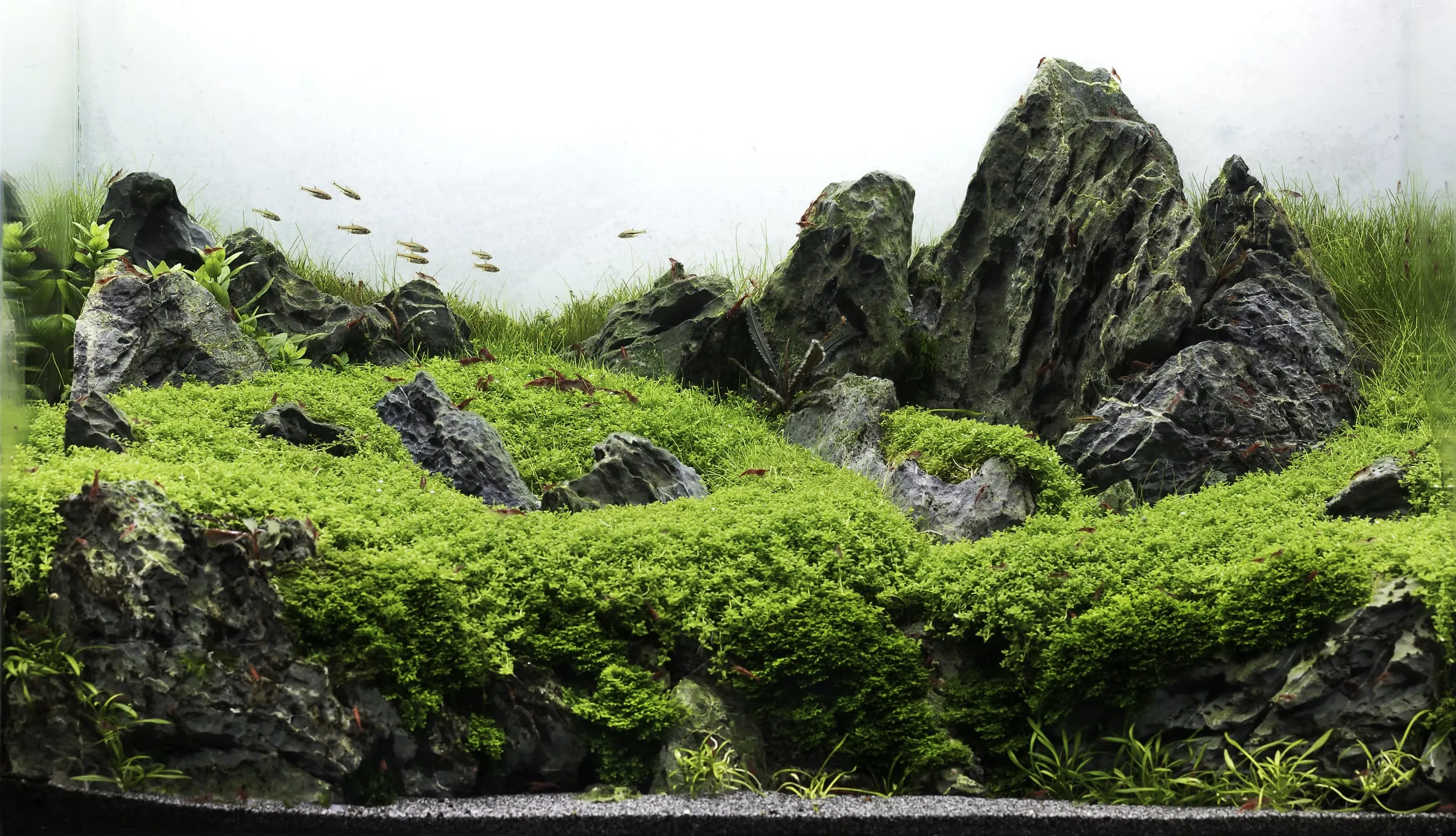
Hardscaping is a critical part of coastal landscaping. Driftwood, boulders, and weathered stones bring a natural, rustic feel while serving functional purposes like retaining walls or garden borders.
For example, driftwood logs can be repurposed as garden edging, seating, or sculptural art pieces. Stones and pebbles not only control soil erosion but also create low-maintenance pathways. This design style embodies the rugged charm of coastal environments while keeping the space practical and sustainable.
Succulent Coastal Patio
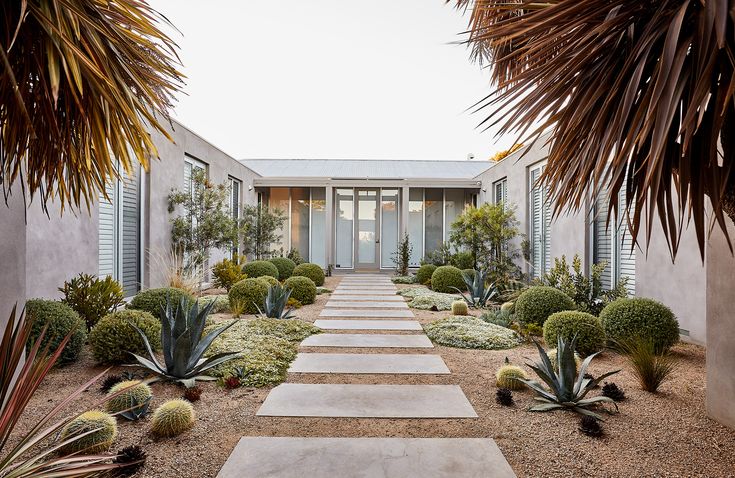
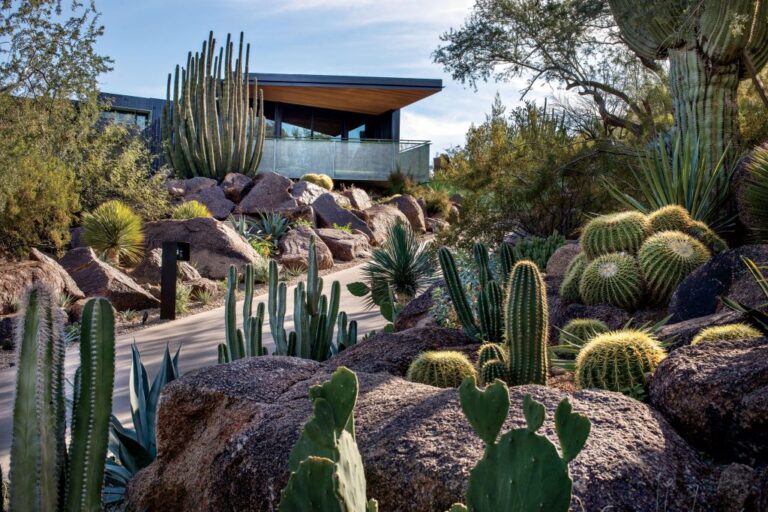
Succulents such as agave, sedum, and aeonium are increasingly popular in coastal gardens. They are drought-tolerant, resilient against salt spray, and bring a bold, architectural element to garden design.
A succulent patio design might include raised stone beds filled with succulents, paired with weatherproof outdoor furniture. This low-maintenance approach appeals to homeowners who want year-round greenery without constant watering or care.
Practical Use Cases of Coastal Gardens
Erosion Control
Coastal gardens help combat soil erosion, especially in sandy environments where winds and tides are strong. Planting ground covers like creeping thyme or beach morning glory stabilizes the soil naturally.
Relaxation and Outdoor Living
Many homeowners use coastal landscapes to extend their living areas outdoors. Fire pits surrounded by dune grasses, or hammocks beneath salt-tolerant trees, create serene relaxation zones.
Eco-Friendly Landscaping
Coastal gardens reduce the need for heavy irrigation and fertilizers, promoting sustainability. By choosing native species, homeowners support local biodiversity while reducing maintenance.
Benefits of Using Technology in Coastal Gardens
Smart Irrigation Systems
Coastal gardens benefit from smart irrigation, which delivers precise amounts of water only when needed. This reduces waste and ensures plants remain healthy despite sandy soils.
Soil Monitoring Tools
Modern soil sensors help measure moisture and salt levels. This technology assists gardeners in adjusting watering schedules and plant selections for optimal growth.
Wind and Weather Apps
By using weather apps, gardeners can anticipate storms or high winds and prepare their landscapes accordingly. This enhances plant survival rates and reduces long-term damage.
FAQs About Coastal Gardens Landscape
1. What plants are best for a coastal garden landscape?
Some of the best plants include dune grass, lavender, rosemary, succulents, and creeping ground covers. These species are salt-tolerant and thrive in sandy soil.
2. How do I protect my coastal garden from strong winds?
Strategically plant shrubs or use low fencing as windbreaks. Hardy plants can also act as natural barriers without blocking views.
3. Are coastal gardens high-maintenance?
Not at all. With proper plant selection and use of smart irrigation, coastal gardens are relatively low-maintenance compared to traditional gardens. They require occasional pruning and soil monitoring but thrive with minimal intervention.