Concrete Retaining Wall Contractors: Complete Guide to Professional Installation & Benefits
Concrete retaining walls play a vital role in landscaping, property stability, and overall aesthetic appeal. Hiring professional concrete retaining wall contractors ensures not only a sturdy and durable installation but also a visually appealing structure that enhances property value. This guide explores the importance of working with skilled contractors, the benefits of concrete retaining walls, use cases, and real-world examples that highlight their relevance in today’s construction and landscaping industry.
Understanding Concrete Retaining Wall Contractors
Concrete retaining wall contractors are specialized professionals who design, plan, and build retaining walls using reinforced or precast concrete. Their expertise goes beyond simple construction; they ensure that the walls can withstand soil pressure, drainage requirements, and environmental conditions. By hiring a contractor, property owners avoid costly mistakes that can occur with DIY attempts.
A skilled contractor also brings engineering knowledge to the project. They consider slope stability, soil type, and load-bearing capacity before designing the retaining wall. This ensures that the wall functions as both a structural and aesthetic feature of the landscape.
Why Choose Concrete Retaining Walls
Concrete is one of the most durable and versatile materials available for retaining walls. It offers high compressive strength, making it ideal for supporting heavy loads and resisting soil erosion. Beyond strength, concrete walls provide design flexibility, allowing for different finishes such as textured, smooth, or decorative surfaces.
Contractors often recommend concrete over wood or stone alternatives due to its longevity. While wooden walls may deteriorate over time and stone walls may shift, concrete walls provide decades of stability when properly installed. Additionally, concrete requires minimal maintenance, making it cost-effective in the long run.
Benefits of Hiring Professional Contractors
Hiring a professional contractor for your concrete retaining wall project offers multiple advantages:
- Structural Integrity: Professionals ensure the wall is designed to handle lateral soil pressure and external forces.
- Proper Drainage Systems: Contractors integrate drainage solutions to prevent water buildup that could damage the wall.
- Custom Design Options: They offer personalized designs that match the surrounding landscape and architectural style.
- Compliance with Regulations: Contractors ensure the wall complies with local building codes and zoning laws.
By relying on experts, property owners gain peace of mind knowing their retaining wall is built to last and tailored to their specific needs.
Real-World Examples of Concrete Retaining Wall Projects
Reinforced Concrete Gravity Wall
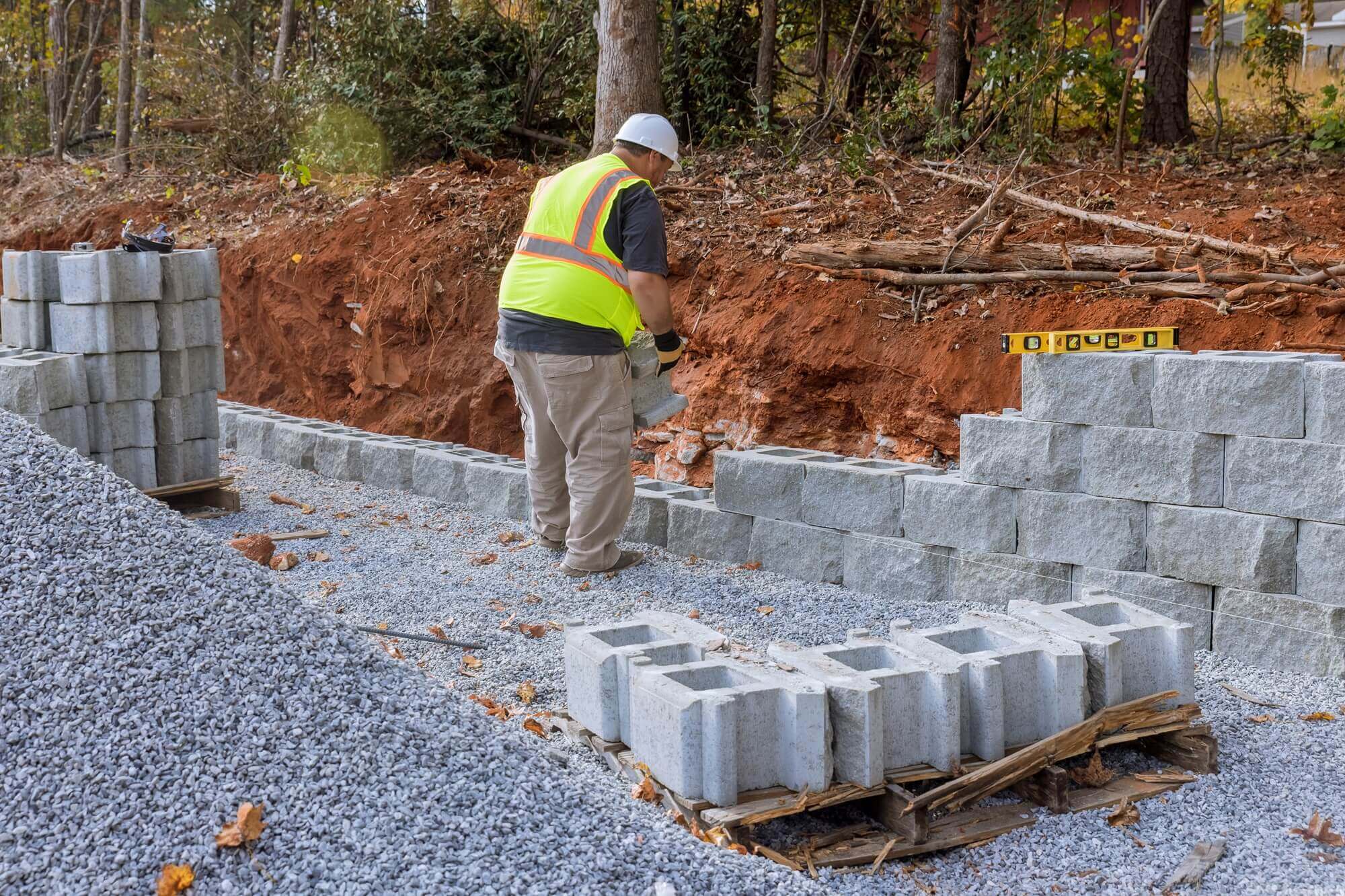
A reinforced concrete gravity wall is a popular choice for residential properties located on sloped terrain. Contractors build these walls with reinforced steel and concrete to create a structure that resists soil movement effectively. Homeowners benefit from added usable space in their yards and enhanced safety against soil erosion.
These walls are commonly seen in hillside homes where preventing landslides is critical. Contractors carefully design the wall’s thickness and base width to balance the forces of nature while delivering a sleek finish that blends into the landscape.
Precast Modular Concrete Wall
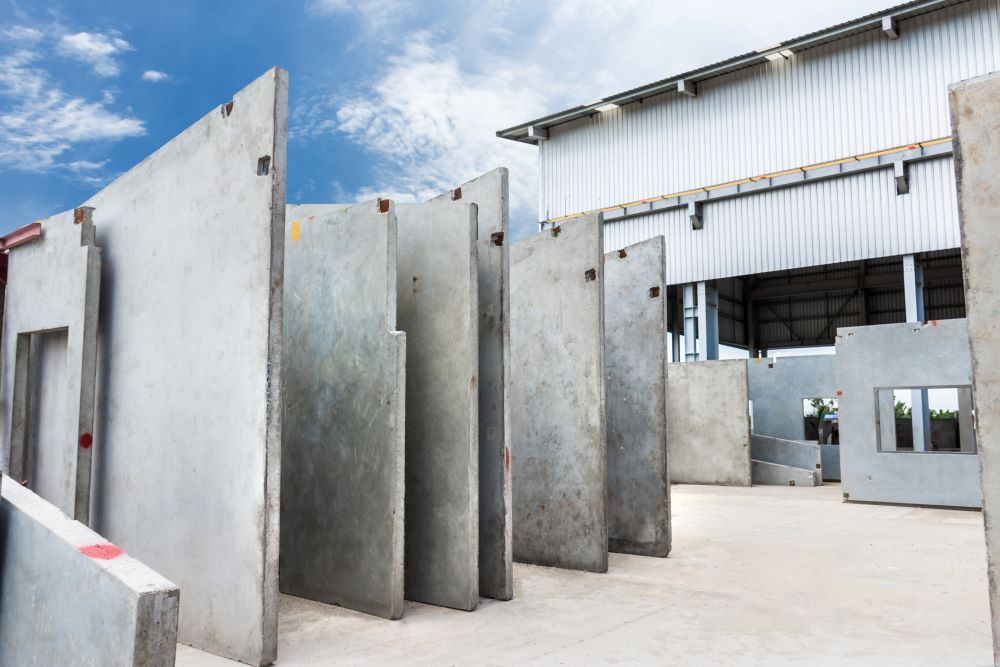
Precast modular walls are factory-made sections that contractors assemble on-site. These walls offer speed of installation and uniform quality. For commercial projects such as shopping centers or office complexes, precast concrete walls provide both functionality and a professional appearance.
One notable use case is in large parking lots where soil needs to be retained around elevated areas. Contractors prefer precast systems because they reduce construction time and minimize disruption to businesses while still ensuring structural reliability.
Cantilevered Concrete Retaining Wall
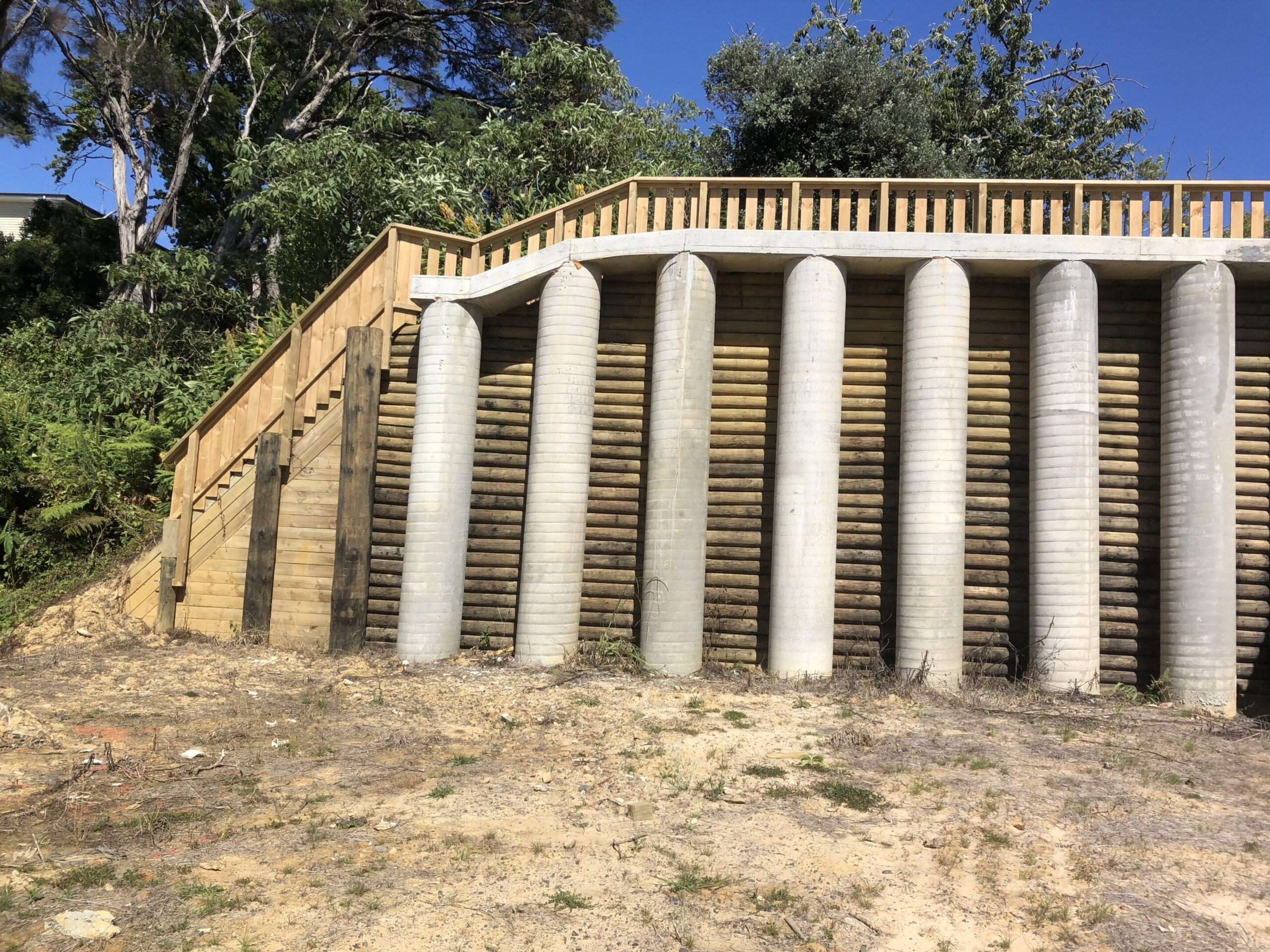
Cantilevered retaining walls are engineered with a base slab and stem that leverage the weight of the soil to hold back pressure. Contractors often recommend this design for urban developments, roadways, or properties where space is limited but strength is essential.
These walls are an excellent example of engineering precision. They use less material compared to gravity walls yet achieve high stability. Contractors ensure proper reinforcement and drainage, making them an efficient solution for challenging environments.
Decorative Stamped Concrete Wall
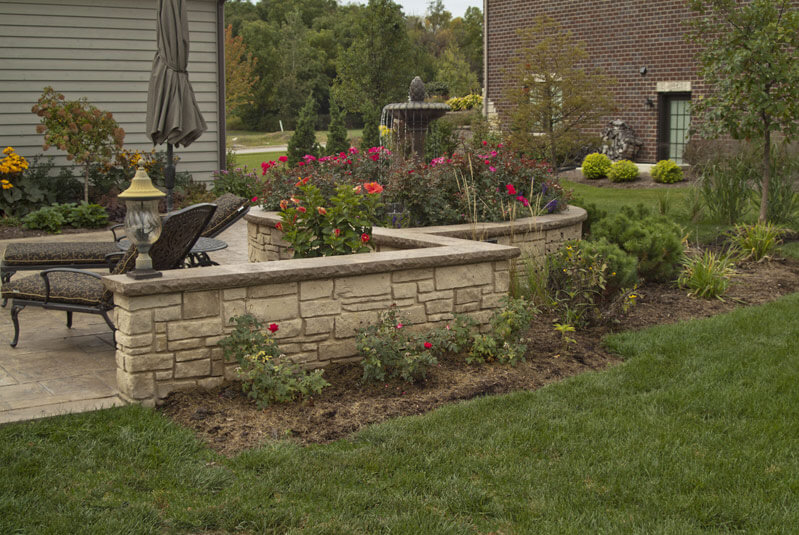
Decorative stamped concrete walls combine functionality with aesthetic appeal. Contractors use molds and coloring agents to create textures that resemble stone, brick, or wood. These walls are ideal for homeowners who want their retaining wall to complement outdoor living spaces.
In addition to holding back soil, these walls serve as focal points in landscaping design. Contractors often integrate lighting or seating areas with stamped concrete walls, creating multifunctional outdoor features that elevate property value.
Practical Use Cases for Concrete Retaining Walls
Concrete retaining walls are versatile and can solve a variety of real-life problems:
- Slope Management: Contractors use retaining walls to transform steep slopes into usable terraces, expanding outdoor living space.
- Erosion Control: By stabilizing soil, concrete walls prevent erosion that could damage property foundations or landscaping.
- Flood Prevention: Retaining walls with integrated drainage systems reduce the risk of flooding in low-lying areas.
- Urban Infrastructure: Contractors install large-scale retaining walls for highways, bridges, and commercial developments, ensuring safety and durability.
These use cases highlight why professional contractors are indispensable in both residential and commercial projects.
Advantages of Using Modern Construction Technology
Today’s contractors leverage advanced construction technologies that enhance the durability and efficiency of concrete retaining wall projects. 3D modeling and computer-aided design (CAD) allow precise planning, ensuring optimal wall dimensions and material use. This minimizes waste and maximizes structural integrity.
Contractors also use improved reinforcement materials and high-performance concrete mixes that increase lifespan and resistance to environmental stressors. In addition, modern drainage technology, such as geogrids and filter fabrics, improves soil stability and prevents water buildup behind the wall.
These technological advancements not only make construction faster and more cost-effective but also ensure that retaining walls perform well under demanding conditions.
Frequently Asked Questions
Q1: How long do concrete retaining walls last?
With professional installation and proper maintenance, concrete retaining walls can last 50 years or more. The use of reinforced materials and effective drainage systems contributes to their longevity.
Q2: What factors affect the cost of hiring concrete retaining wall contractors?
The cost depends on wall size, design complexity, materials, site conditions, and labor requirements. Precast walls may be more affordable for large projects, while decorative stamped walls may require a higher budget.
Q3: Do retaining walls require maintenance after installation?
Yes, although minimal. Contractors recommend periodic inspections for cracks, drainage function, and surface wear. Cleaning and sealing decorative finishes may also be necessary to preserve aesthetics.