Earth Retention Systems: Complete Guide, Benefits, and Real-World Applications
Earth retention systems are essential engineering solutions designed to hold back soil, stabilize slopes, and provide support for structures built on uneven or unstable terrain. These systems have become increasingly vital in modern construction, especially in urban developments, highway engineering, and commercial infrastructure projects. By preventing soil erosion and managing lateral earth pressure, they ensure long-term stability and safety for construction works.
Whether it’s a retaining wall along a residential property, shoring systems for deep excavations, or soil nail walls supporting highways, earth retention systems serve a wide range of purposes. Their adaptability across various terrains and project requirements makes them indispensable in civil engineering and landscape architecture.
Types of Earth Retention Systems
Understanding the different types of earth retention systems is crucial for selecting the right solution for specific project needs. Each system is engineered to address unique soil conditions, load requirements, and structural demands.
Gravity Retaining Walls
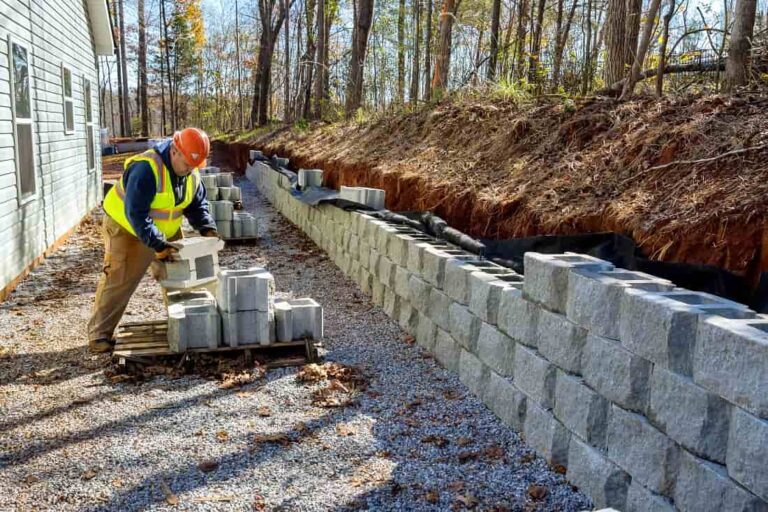
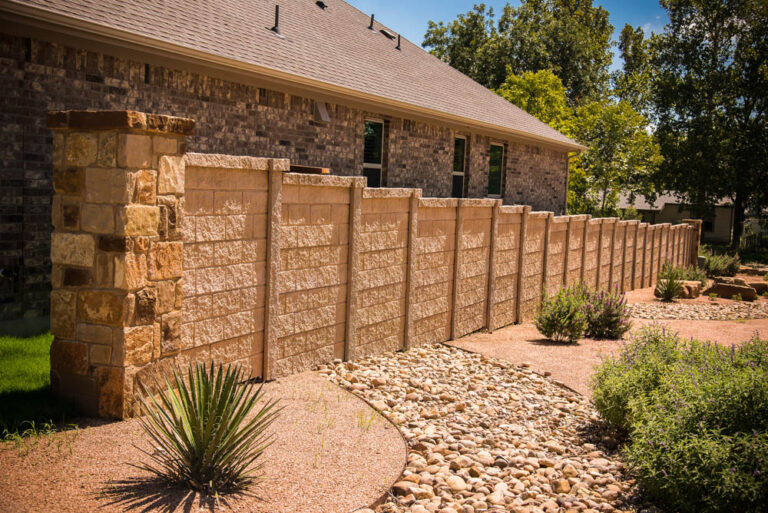
Gravity retaining walls rely on their mass to resist the lateral pressure of the soil. Typically built with concrete, stone, or precast blocks, they are straightforward yet highly effective for medium-height soil retention. These walls are often used in landscaping, residential properties, and road embankments.
Cantilevered Retaining Walls
Cantilevered walls use reinforced concrete to create a base slab and stem that resists soil pressure through leverage. The design allows them to support significant loads while using less material than gravity walls. They are commonly applied in large infrastructure projects such as highways and commercial developments.
Anchored Systems
Anchored earth retention systems use cables or rods anchored into the soil or rock behind the wall. This method provides additional strength, making them suitable for tall retaining walls and complex excavations where conventional methods may not be sufficient.
Soil Nailing Systems
Soil nailing involves inserting steel bars into a slope or excavation face, which are then grouted to provide reinforcement. This method is cost-effective and widely used for slope stabilization and temporary excavation support.
Mechanically Stabilized Earth (MSE) Walls
MSE walls combine soil with geosynthetic reinforcement to create a stable, flexible structure. These systems are increasingly popular due to their cost efficiency, aesthetic flexibility, and ability to support heavy infrastructure like bridges and highways.
Benefits of Earth Retention Systems
The advantages of earth retention systems go beyond structural support. They provide long-term safety, enhance land usability, and allow construction in previously challenging terrains.
Stability and Safety
Earth retention systems prevent landslides, erosion, and soil displacement, ensuring the safety of both infrastructure and the surrounding environment. Without these systems, large construction projects would be at high risk of collapse or damage.
Maximizing Usable Land
By stabilizing steep slopes or creating level platforms, retention systems allow developers to maximize usable land area. This is particularly beneficial in urban construction, where space is limited and terrain is uneven.
Cost Efficiency in the Long Term
Although the initial installation may require significant investment, earth retention systems reduce maintenance costs and prevent expensive repairs caused by soil failure. Their durability ensures long-term savings.
Environmental Benefits
Modern earth retention systems often incorporate eco-friendly materials and designs that minimize environmental impact. Green retaining walls, for example, can integrate vegetation, supporting biodiversity and improving aesthetics.
Real-World Examples of Earth Retention Systems
Soil Nail Walls for Highway Stabilization
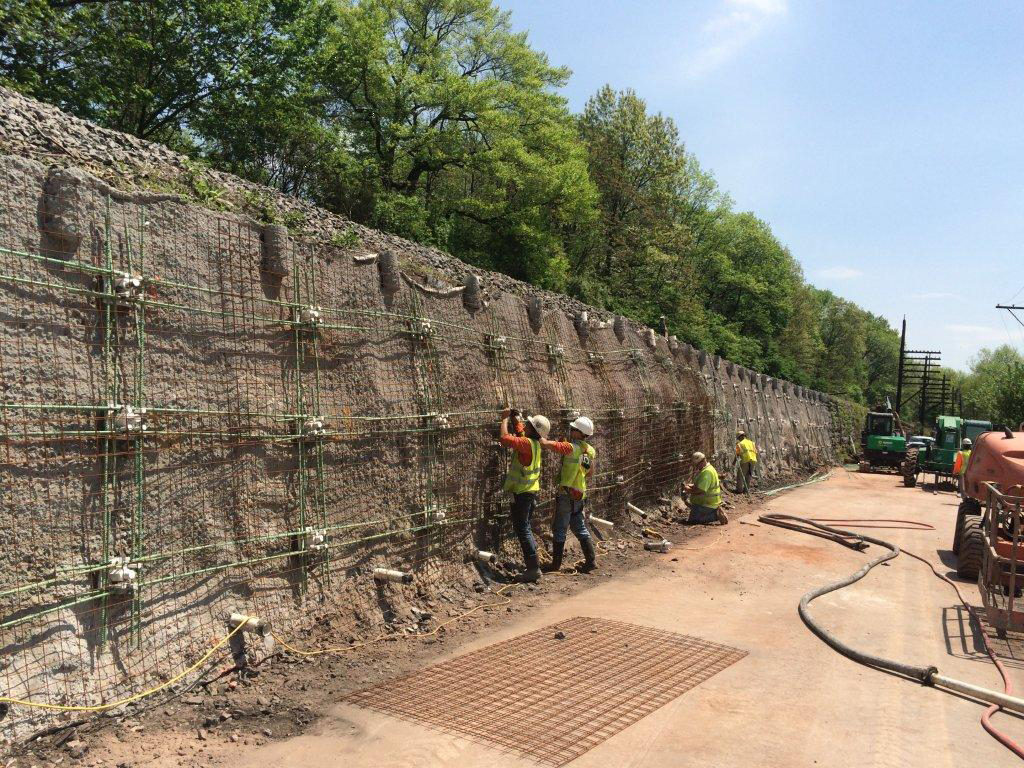
Soil nailing is widely used in highway projects where steep slopes need reinforcement. In real-world applications, soil nail walls have successfully prevented slope failures in mountainous regions. For instance, transportation departments often use soil nailing to secure cut slopes during highway expansions, ensuring minimal land disruption while maximizing stability.
These walls are not only cost-effective but also flexible in handling different soil types. Engineers appreciate soil nailing for its rapid installation and adaptability in emergency slope stabilization projects.
Mechanically Stabilized Earth Walls in Bridge Construction
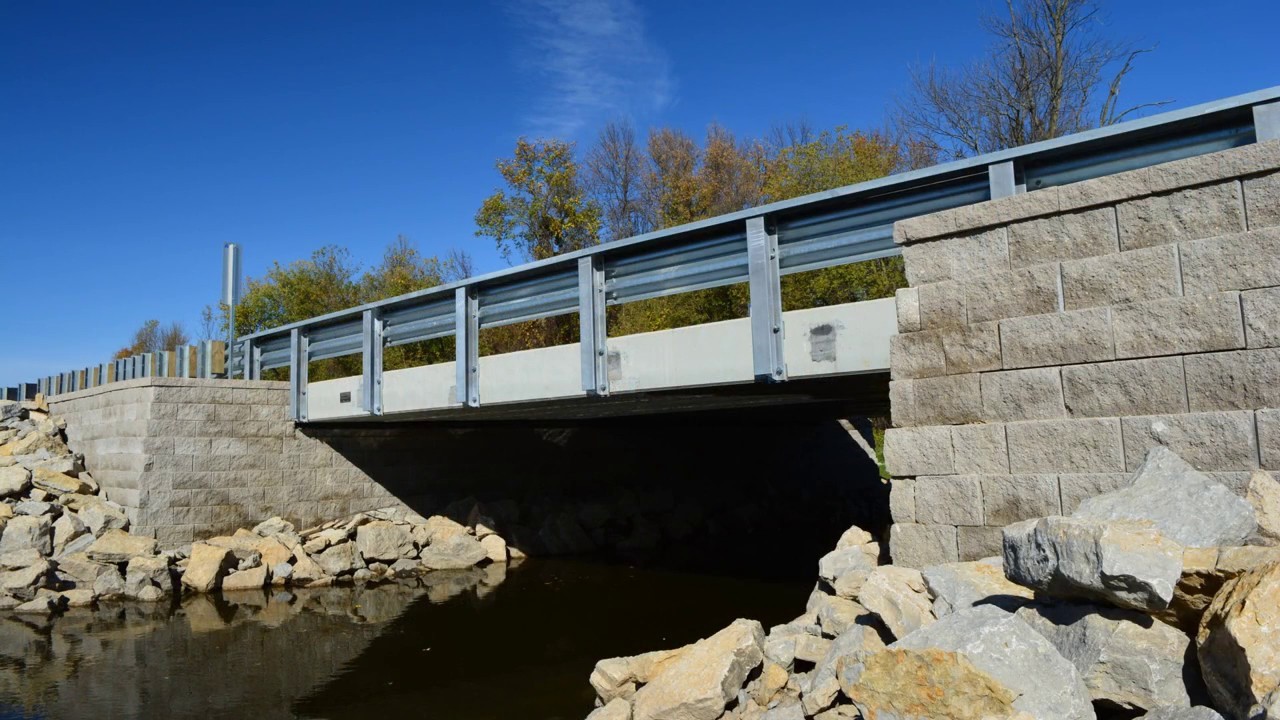
MSE walls are increasingly common in large-scale infrastructure projects, particularly for supporting bridge abutments. A real-world example is the widespread use of MSE walls in highway interchanges across the United States and Europe.
Their modular construction, often using precast concrete panels or wire mesh, allows for efficient installation while providing exceptional load-bearing capacity. The integration of geosynthetic reinforcement ensures that these walls can handle the significant stresses imposed by heavy traffic and long-term usage.
Anchored Retaining Systems in Urban Excavations
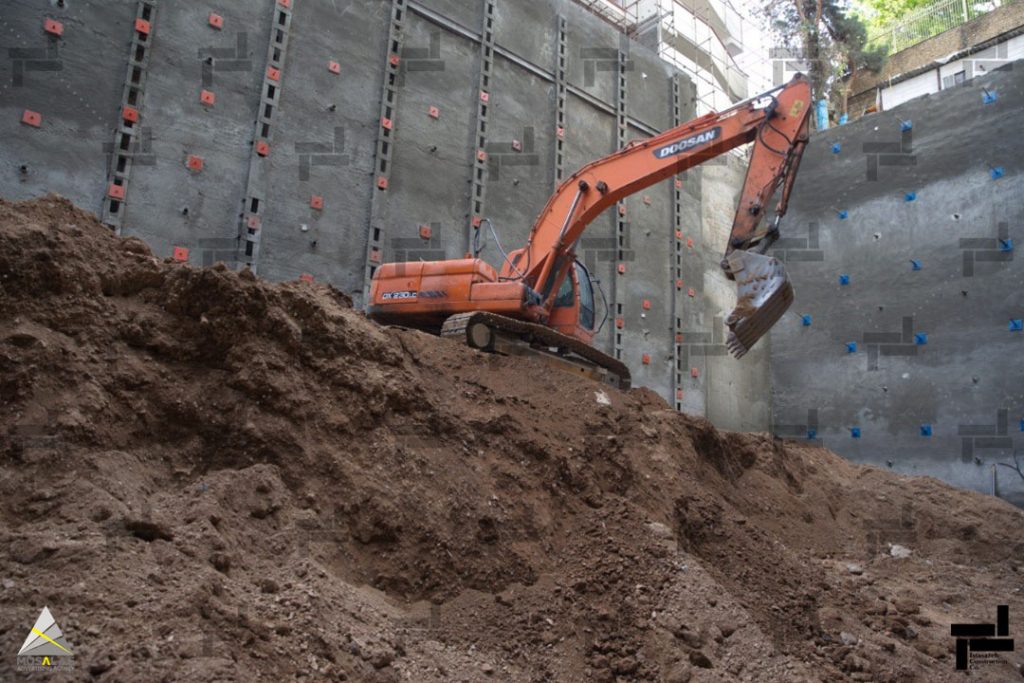
In dense urban environments, space is limited, and deep excavations are often required for underground parking garages, subways, or utility installations. Anchored earth retention systems provide a reliable solution in such contexts.
A practical case is the construction of skyscrapers in major cities, where anchored systems ensure that surrounding buildings remain unaffected by excavation work. Their ability to handle high loads in confined areas makes them a preferred choice for modern metropolitan development.
Green Retaining Walls for Sustainable Landscaping
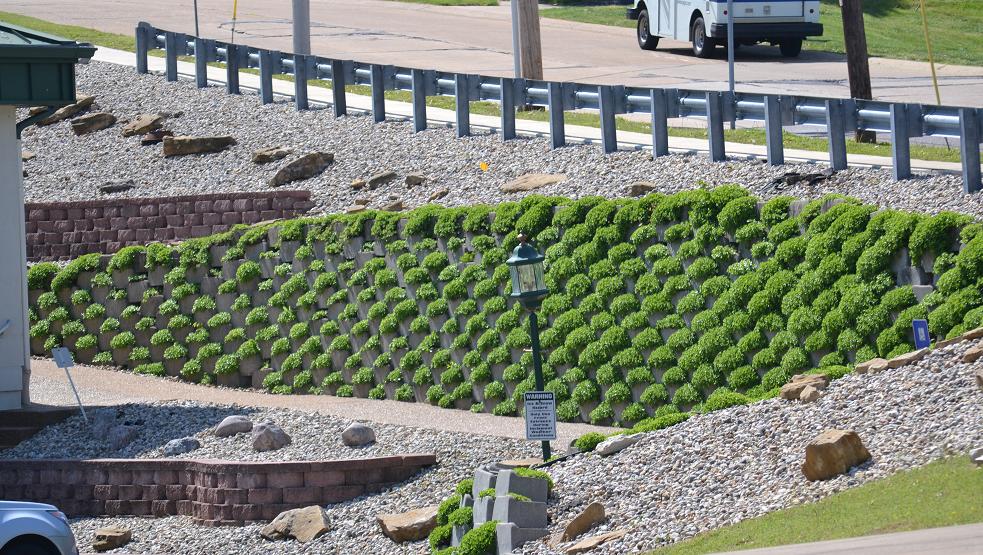
Green retaining walls combine structural stability with environmental benefits. They are constructed using reinforced soil systems that support vegetation growth. Many parks, residential developments, and eco-friendly commercial properties use green walls to reduce erosion while enhancing natural beauty.
For example, urban developments in Europe and Asia increasingly adopt green retaining walls as part of sustainable construction practices. These installations not only stabilize the soil but also improve air quality, reduce heat island effects, and provide natural habitats for plants and wildlife.
Practical Use Cases of Earth Retention Systems
Earth retention systems are not limited to large-scale infrastructure; they also play an important role in everyday construction and environmental projects.
Preventing Landslides in Residential Areas
In hillside communities, retaining walls prevent landslides and ensure safe living environments. Homeowners benefit from increased property value and reduced risk of structural damage caused by soil erosion.
Supporting Infrastructure in Transportation Projects
Highways, railways, and airports often require earth retention systems to stabilize embankments, cut slopes, and bridge foundations. Without these systems, infrastructure would be vulnerable to soil movement and collapse.
Urban Development and Excavations
In cities, where underground construction is common, anchored or soil nail systems make deep excavations possible without compromising surrounding structures. These solutions enable efficient use of limited urban space while ensuring safety.
Enhancing Aesthetics and Functionality in Landscaping
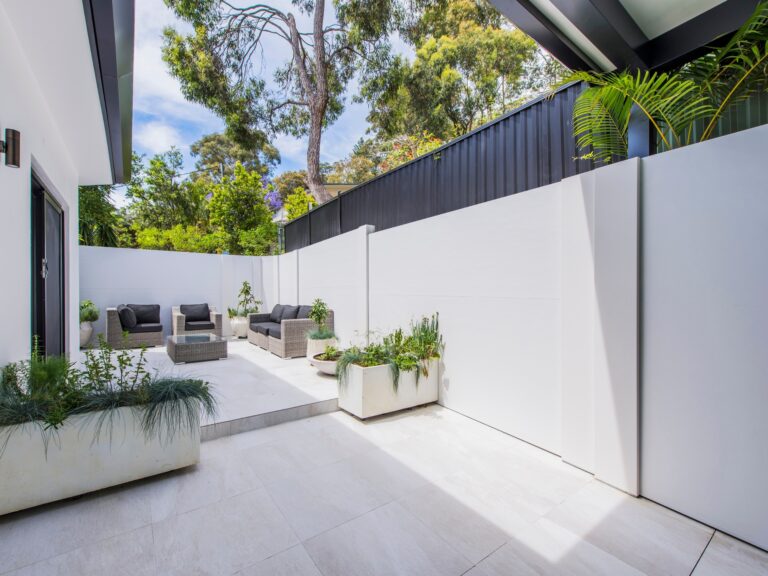
Landscapers use retaining systems not only for soil stability but also to create visually appealing terraces, gardens, and outdoor living spaces. With options like green walls, earth retention contributes both beauty and functionality.
Frequently Asked Questions (FAQ)
1. What is the most common type of earth retention system?
The most common type is the gravity retaining wall, often built from concrete or stone. However, modern projects frequently use mechanically stabilized earth walls due to their flexibility and cost efficiency.
2. How long do earth retention systems last?
The lifespan depends on the type and materials used. Well-designed systems, such as reinforced concrete or MSE walls, can last for decades with minimal maintenance, while soil nail systems typically serve as temporary solutions unless reinforced further.
3. Are earth retention systems environmentally friendly?
Yes, many modern earth retention systems are designed with sustainability in mind. Green retaining walls, for example, allow vegetation to grow, improving environmental impact while maintaining soil stability.