Garden Bed Layout Planner: Complete Guide to Smarter Gardening Design
Designing a garden is both an art and a science. Whether you’re growing vegetables, flowers, or herbs, the arrangement of plants plays a crucial role in how your garden thrives. A garden bed layout planner is a valuable tool that helps gardeners create optimized designs, save space, and achieve healthier plant growth.
This guide explores everything you need to know about garden bed layout planners, how they work, why they are useful, examples of popular tools, and practical applications for home gardeners and professionals alike.
What is a Garden Bed Layout Planner?
A garden bed layout planner is a tool, either digital software, an app, or a printable template, that helps gardeners design efficient layouts for raised beds, flower beds, or entire garden spaces. Instead of guessing how much space each plant needs, the planner provides structured guidance, taking into account spacing, sunlight, crop rotation, and companion planting.
This tool can be used by beginners to visualize their first garden and by advanced gardeners to optimize planting for maximum yields. Many modern planners also incorporate smart features like reminders, crop succession planning, and seasonal adjustments.
Why a Garden Bed Layout Planner is Essential
Without a clear plan, gardens often face issues such as overcrowding, wasted space, and poor crop health. A garden bed layout planner addresses these challenges by giving structure to planting strategies. It ensures that every plant has the right conditions to flourish.
From increasing harvests in small spaces to maintaining aesthetic balance in a flower garden, these planners make gardening more efficient and rewarding.
Benefits of Using a Garden Bed Layout Planner
Optimized Space Management
One of the biggest advantages of using a planner is maximizing limited space. With proper plant placement, you can grow more varieties in a smaller area without compromising on plant health. This is especially useful for urban gardeners with compact backyards or balcony gardens.
Better Plant Health Through Companion Planting
Planners often incorporate companion planting recommendations. For instance, pairing tomatoes with basil can deter pests and enhance flavor, while separating plants that compete for nutrients prevents poor growth.
Crop Rotation Made Easy
Rotating crops each season is vital for soil health. A layout planner can track previous planting arrangements and suggest where to grow new crops, reducing the risk of soil depletion and diseases.
Increased Productivity and Harvest Yields
By accounting for sun exposure, soil needs, and spacing, planners help ensure that plants reach their full potential. This leads to healthier gardens and greater yields.
Real-World Examples of Garden Bed Layout Planners
Here are some practical examples of tools and systems widely used by gardeners.
GrowVeg Garden Planner
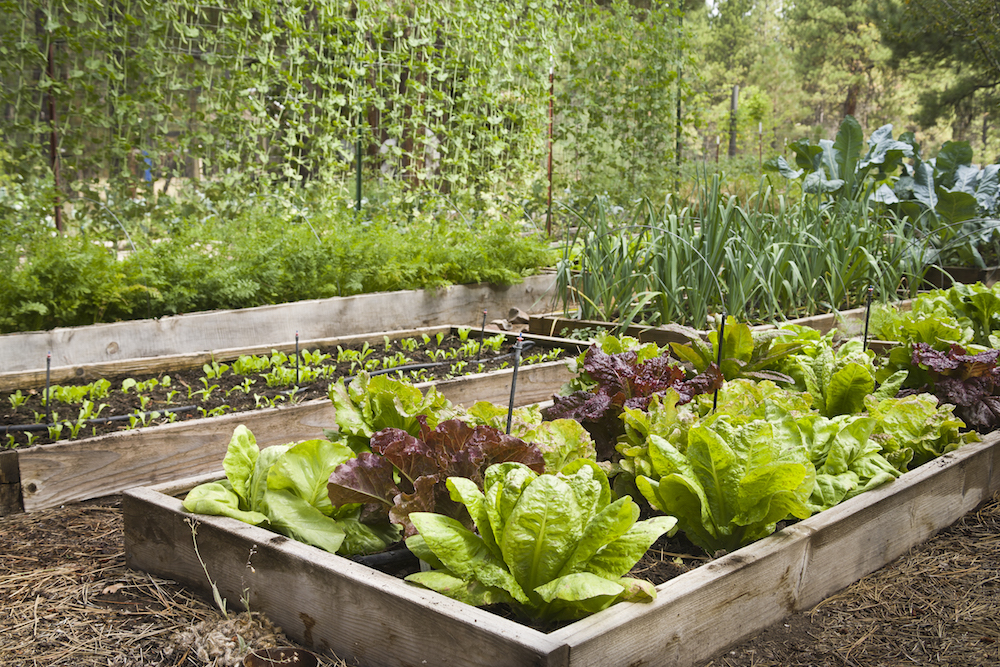
GrowVeg offers a comprehensive digital platform that allows gardeners to drag and drop plant icons into raised bed layouts. It automatically calculates spacing, sends planting reminders, and generates seasonal reports.
GrowVeg is especially useful for beginner gardeners who want visual clarity. By showing how plants will look in a bed, it eliminates guesswork and makes planning straightforward. Many users also appreciate the ability to access historical data from past seasons.
Plan-A-Garden by Better Homes & Gardens
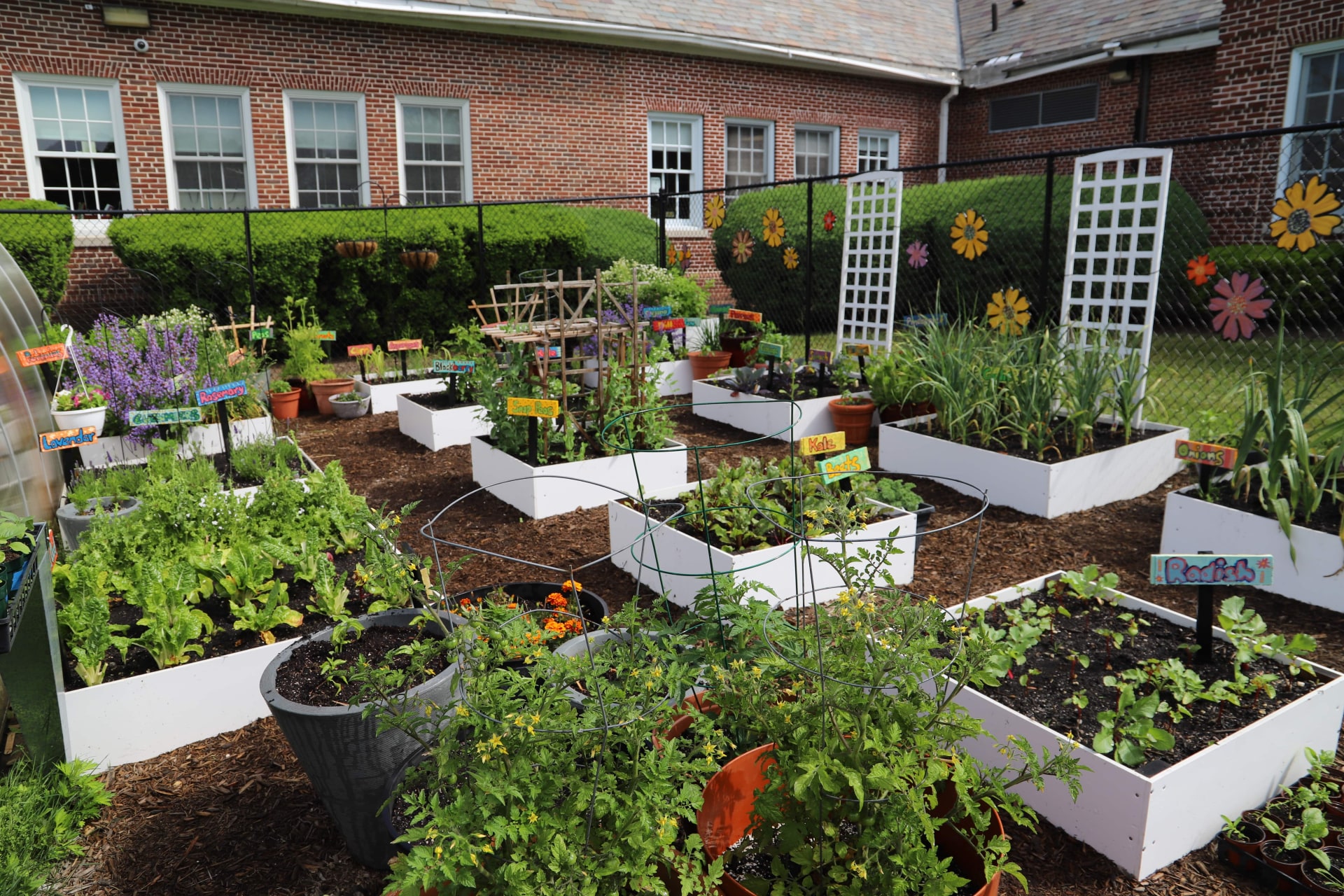
This free online tool is perfect for home gardeners who are more focused on aesthetics than farming yields. It allows users to experiment with different layouts and visualize flower beds, shrubs, and trees in a digital yard.
The tool also includes customization features for hardscaping, paths, and decorative structures. While less crop-focused, it is invaluable for those who want a beautifully balanced garden.
Garden Planner App (Android/iOS)

Mobile apps such as Garden Planner allow gardeners to manage layouts directly from their phones. These apps include features like plant libraries, companion planting guides, and seasonal alerts.
Their portability is a major advantage. Gardeners can stand right in their yard and adjust the layout on their phone without carrying notebooks or printed charts. This makes the process more intuitive and accessible.
Traditional Printable Grid Planners
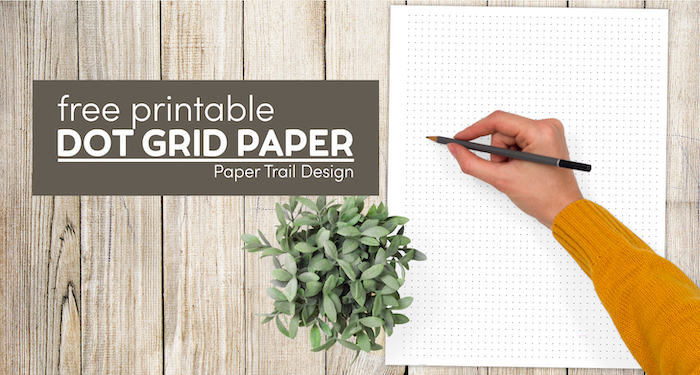
Not all planners are digital. Some gardeners prefer printable grids where they can sketch out their planting arrangements. These allow complete customization and don’t require internet access.
Though simple, printable planners are highly effective for those who enjoy hands-on planning and want a physical record of their garden layouts year after year.
Use Cases: How Garden Bed Layout Planners Solve Problems
Urban Gardening in Small Spaces
For city dwellers with tiny yards or balcony gardens, maximizing space is crucial. A layout planner can suggest vertical gardening solutions, compact plant varieties, and efficient spacing methods.
By applying structured layouts, urban gardeners can grow herbs, tomatoes, and leafy greens in even the smallest areas, turning limited square footage into a productive space.
Community Gardens
Community gardens often face challenges of coordination among multiple gardeners. Using a shared layout planner helps assign plots, avoid planting conflicts, and ensure crop diversity.
This not only prevents overcrowding but also builds a sense of structure and harmony in shared spaces.
Seasonal Crop Planning
Planning for different growing seasons can be overwhelming. A garden bed planner helps map out succession planting, where a new crop is planted right after harvesting another.
For example, after harvesting lettuce, the planner may suggest sowing carrots in the same space. This ensures continuous production throughout the year.
Managing Large Home Gardens
For gardeners with larger spaces, keeping track of where each crop grows each year is essential for soil health. A planner provides long-term records and reduces the chance of replanting crops in the same soil too often.
This minimizes risks of disease buildup, ensures soil nutrients remain balanced, and improves long-term productivity.
Benefits of Technology in Garden Planning
Technology has transformed the way gardeners approach design. Digital planners often feature drag-and-drop functions, plant databases, and automated reminders. These features simplify gardening tasks that were once manual and time-consuming.
By integrating cloud storage, many apps allow gardeners to access their plans from multiple devices. Some even integrate with weather forecasts, adjusting recommendations based on local conditions.
Another benefit is accessibility for beginners. Complex concepts like crop rotation and companion planting become manageable when visualized on a digital interface. This lowers the entry barrier for new gardeners while also enhancing precision for experienced ones.
Expert Tips for Getting the Best Results
-
Start Small: Begin with one raised bed or a small garden section to learn how the planner works before scaling up.
-
Use Companion Planting Guides: Many planners offer built-in recommendations—take advantage of them for healthier plants.
-
Track Results Annually: Record yields and plant health to refine layouts year after year.
-
Combine Digital and Physical Tools: Some gardeners use digital apps for planning but keep printable copies for quick reference in the garden.
Frequently Asked Questions (FAQ)
1. Do I need a garden bed layout planner if I have a small garden?
Yes. Even in small gardens, efficient spacing and companion planting matter. A planner helps you grow more varieties and maintain healthy plants in limited areas.
2. Can garden bed layout planners work for flowers and shrubs, not just vegetables?
Absolutely. Many planners, such as Plan-A-Garden, are designed for ornamental landscaping as well as edible gardening. They help with color balance, plant height, and seasonal flowering schedules.
3. What’s the difference between digital and printable planners?
Digital planners offer features like reminders, spacing calculators, and crop rotation tracking, while printable planners provide flexibility and a tactile planning experience. The best choice depends on whether you prefer convenience or hands-on design.