Gunite Retaining Wall: Complete Guide, Benefits, and Real-World Applications
A gunite retaining wall is a specialized type of retaining wall built using sprayed concrete, commonly known as gunite or shotcrete. This construction method involves pneumatically applying a dry mix of cement and sand, combined with water at the nozzle, to create a dense, durable wall structure. Gunite is widely used in projects requiring high strength, flexibility in design, and resistance to environmental pressures.
Unlike traditional concrete poured into forms, gunite allows for greater control over thickness and shape, making it ideal for retaining walls in landscapes with irregular terrain or steep slopes. The technique provides structural stability while maintaining an aesthetically pleasing appearance, often blending into natural surroundings.
How Gunite Retaining Walls Are Constructed
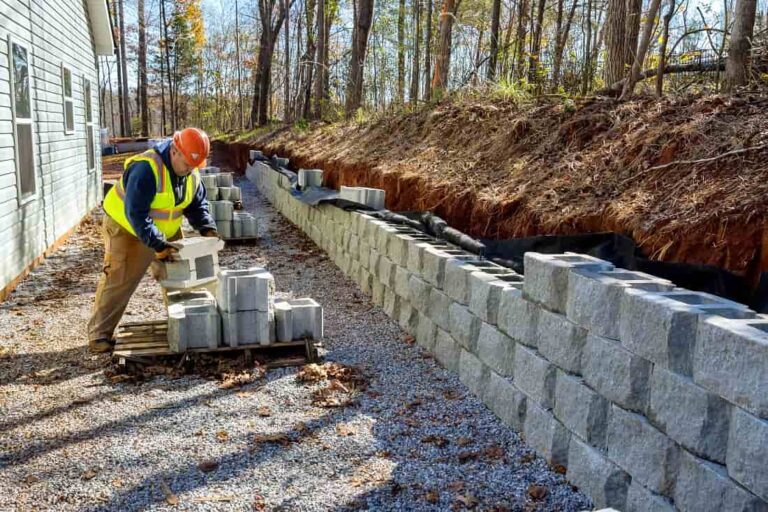
Gunite retaining walls are created by spraying the cement-sand mixture onto reinforced frameworks, usually consisting of steel rebar or mesh. The application process is done at high velocity, allowing the material to compact effectively against the surface. This results in a wall with exceptional density and durability.
The construction process typically involves:
-
Excavating and preparing the slope or soil.
-
Installing rebar reinforcement to strengthen the wall.
-
Spraying gunite mixture using a specialized hose and nozzle.
-
Finishing and curing the wall for maximum strength.
This method not only ensures structural reliability but also reduces the need for traditional formwork, cutting down both cost and construction time in many projects.
Benefits of Using Gunite for Retaining Walls
Gunite retaining walls offer a wide range of benefits that make them a preferred solution for residential, commercial, and civil engineering applications.
Durability and Longevity
Gunite is highly resistant to weather conditions, erosion, and heavy loads. Its dense structure prevents cracks and deterioration, ensuring that retaining walls remain functional for decades with minimal maintenance.
Flexibility in Design
Unlike precast concrete or block walls, gunite can be applied to complex curves, slopes, and custom shapes. This flexibility makes it ideal for landscaping projects where aesthetics and natural blending are important.
Cost-Effectiveness Over Time
Although initial installation costs may be higher than some alternatives, the longevity and reduced need for repairs often make gunite retaining walls a cost-effective option in the long run.
Structural Strength
The combination of sprayed concrete with steel reinforcement creates a robust barrier against soil movement, water pressure, and natural erosion, ensuring stability in areas prone to shifting ground.
Real-World Examples of Gunite Retaining Walls
Residential Hillside Stabilization
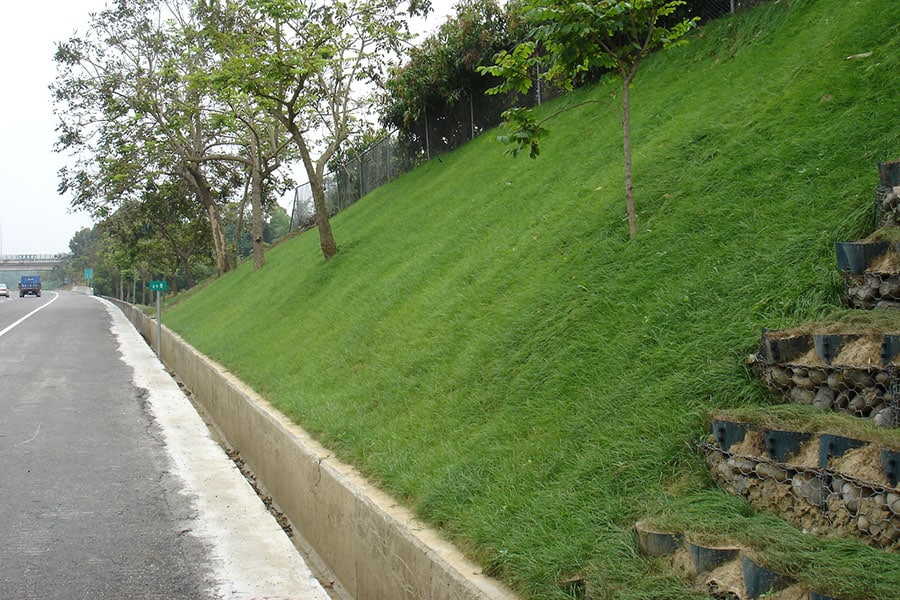
In hillside residential areas, soil erosion and slope instability pose significant risks to property. A gunite retaining wall provides an effective solution by reinforcing the slope while creating usable flat spaces.
For instance, in a California residential project, gunite walls were sprayed directly onto steel rebar frames, creating a curved design that blended with the landscape. This not only stabilized the slope but also allowed for additional yard space for gardening and patios. The adaptability of gunite ensured seamless integration with the existing environment.
Highway and Roadway Projects
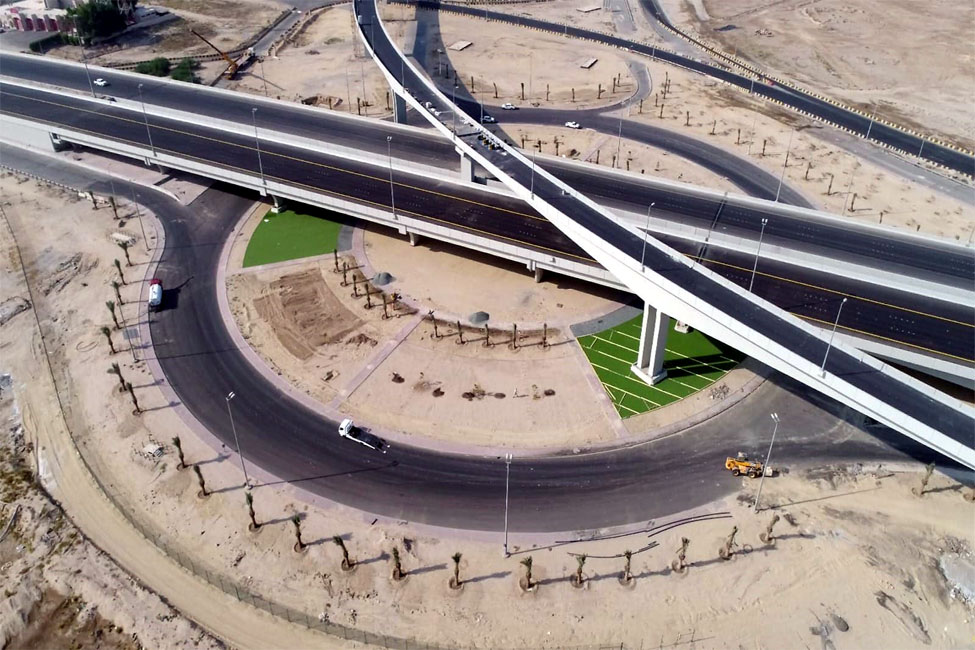
Civil engineers often use gunite retaining walls along highways and roads built on uneven terrain. These walls prevent landslides and soil erosion that could otherwise compromise road safety.
In Colorado, transportation authorities employed gunite retaining walls along steep roadside slopes. The high-strength sprayed concrete provided immediate stabilization, and its flexible application allowed the walls to conform to rugged terrain without requiring extensive excavation.
Commercial and Industrial Facilities

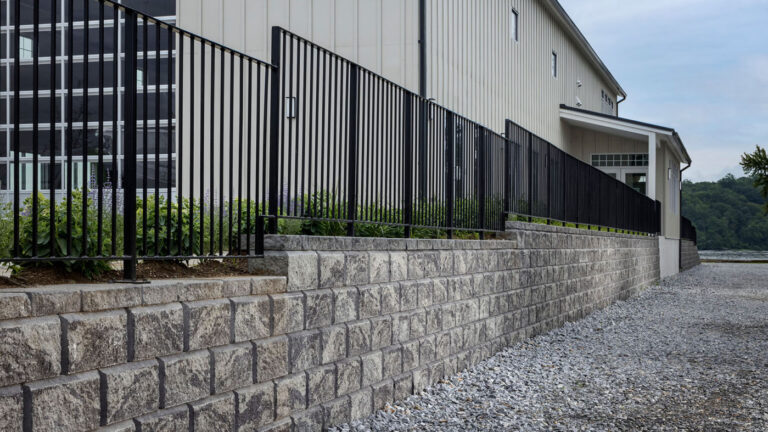
Large-scale commercial properties, such as warehouses or industrial plants, often require strong retaining walls to support parking lots or building foundations on sloped ground.
One industrial facility in Texas installed a reinforced gunite retaining wall to secure its elevated loading docks. The sprayed-on gunite created a continuous and durable surface that withstood heavy truck traffic vibrations while minimizing long-term maintenance needs.
Landscaping and Outdoor Living Spaces
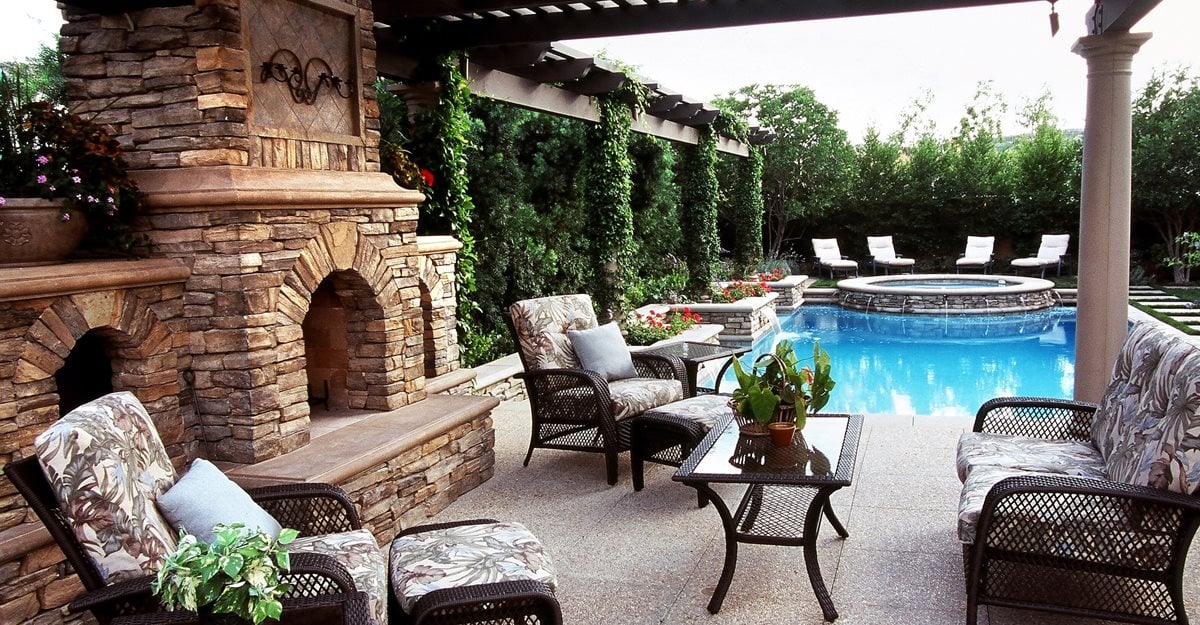
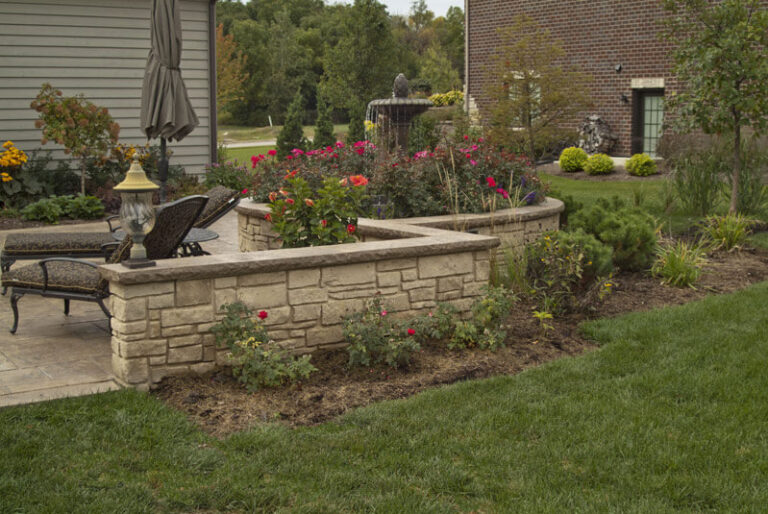
Gunite retaining walls are also widely used in landscaping to create multi-level gardens, terraces, or poolside areas.
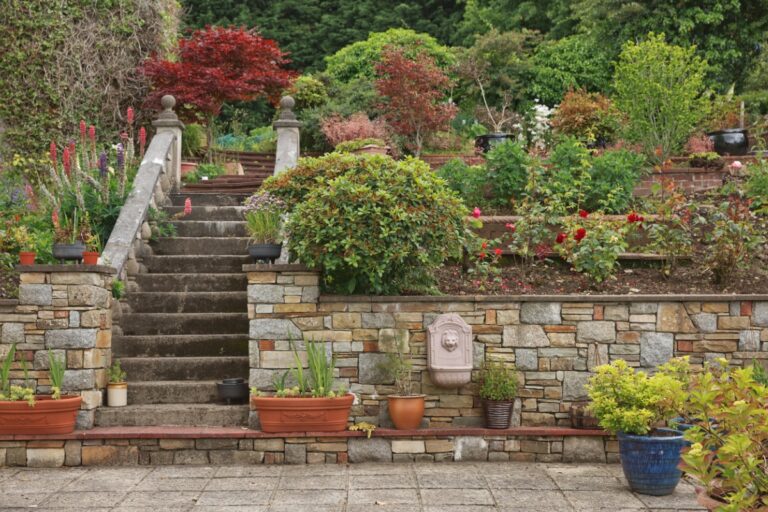
In a luxury home landscape project, contractors used gunite walls to build tiered garden beds and pathways. The smooth finish allowed for decorative stone veneers to be applied on top, merging functionality with visual appeal. This project highlighted how gunite could support both structural needs and design flexibility.
Practical Use Cases for Gunite Retaining Walls
Soil Erosion Control
Gunite retaining walls are effective in controlling soil erosion in areas with heavy rainfall, steep slopes, or unstable terrain. They provide a stable barrier that prevents soil displacement while allowing proper drainage systems to be integrated.
Property Protection and Land Utilization
By stabilizing slopes, gunite retaining walls allow property owners to make use of previously unusable land. Sloped backyards can be transformed into terraces, patios, or additional garden areas, enhancing both property value and usability.
Infrastructure and Safety
In urban planning and infrastructure development, gunite retaining walls play a critical role in ensuring the safety of roads, railways, and bridges. Their adaptability makes them an essential component of large-scale engineering projects.
Aesthetic Landscaping Enhancements
Beyond their structural function, gunite retaining walls can be finished with decorative elements such as stone, brick, or stucco, providing a visually appealing addition to outdoor living spaces.
Frequently Asked Questions (FAQ)
Q1: How long do gunite retaining walls last?
Gunite retaining walls can last for several decades, often 50 years or more if properly constructed and maintained. Their dense structure and reinforcement make them highly resistant to environmental damage.
Q2: Are gunite retaining walls more expensive than block walls?
The initial installation cost of gunite retaining walls can be higher due to specialized equipment and skilled labor. However, they often prove more cost-effective in the long term due to durability and reduced maintenance needs.
Q3: Can builders customize gunite retaining walls for landscaping projects?
Yes, one of the main advantages of gunite retaining walls is their flexibility in design. Builders can shape block walls into curves, angles, or multi-tiered structures, and finish them with decorative veneers to match landscaping aesthetics.