LADBS Retaining Wall Guidelines and Construction Insights 2025
Retaining walls are an essential part of both residential and commercial construction projects, especially in areas with sloped landscapes like Los Angeles. The Los Angeles Department of Building and Safety (LADBS) provides detailed regulations and guidelines for retaining wall construction to ensure safety, stability, and compliance with local codes. This article explores everything you need to know about LADBS retaining walls, from permit requirements to design standards and practical examples.
Understanding LADBS Retaining Wall Requirements
The LADBS sets specific standards for retaining walls to protect properties, prevent soil erosion, and ensure safety in hillside and sloped regions. Any wall that retains soil beyond a certain height generally requires a building permit, engineering design, and inspections.
For walls up to 4 feet in height, a permit may not be necessary unless the wall is supporting a surcharge such as a driveway or building load. However, taller walls and tiered systems must undergo structural review and engineering design to comply with LADBS codes.
Importance of Compliance with LADBS
Complying with LADBS retaining wall regulations is not just a legal requirement but also a matter of public safety. Non-compliant walls can collapse, causing property damage or even personal injury. LADBS provides clear design standards that help homeowners and contractors build strong, durable, and safe retaining walls.
Ensuring compliance also protects property owners from legal disputes and costly repairs in the future. When a wall is built to LADBS standards, it undergoes inspections that confirm the structure can withstand soil pressure, water drainage, and environmental conditions.
Permit Process for LADBS Retaining Walls
Before starting a retaining wall project in Los Angeles, you must determine if a permit is required. LADBS outlines the steps clearly:
- Submit Plans – Engineering drawings and structural calculations must be submitted for review.
- Plan Check – LADBS engineers review the plans for compliance with safety and building codes.
- Obtain Permit – Once approved, a permit is issued to allow construction.
- Inspections – During construction, multiple inspections ensure compliance with approved plans.
- Final Approval – After construction, a final inspection confirms safety and adherence to codes.
Design Standards and Engineering Considerations
LADBS requires retaining walls to be engineered based on soil type, slope conditions, and load-bearing requirements. The design must consider:
- Soil Pressure – Calculations for lateral earth pressure to prevent sliding and overturning.
- Drainage – Systems to allow water to escape, reducing hydrostatic pressure.
- Reinforcement – Steel reinforcement in concrete walls for added strength.
- Surcharge Loads – Additional weight from structures, driveways, or traffic.
These elements ensure walls can withstand environmental forces and remain stable over time.
Benefits of Following LADBS Retaining Wall Guidelines
Following LADBS guidelines provides several practical benefits:
- Safety – Proper engineering prevents wall collapse and accidents.
- Durability – Compliant walls last longer and resist environmental wear.
- Property Value – High-quality retaining walls improve property aesthetics and functionality.
- Legal Protection – Compliance protects homeowners from potential penalties or lawsuits.
- Environmental Protection – Prevents soil erosion and controls water runoff effectively.
Real-World Examples of LADBS Retaining Walls
Residential Hillside Retaining Wall
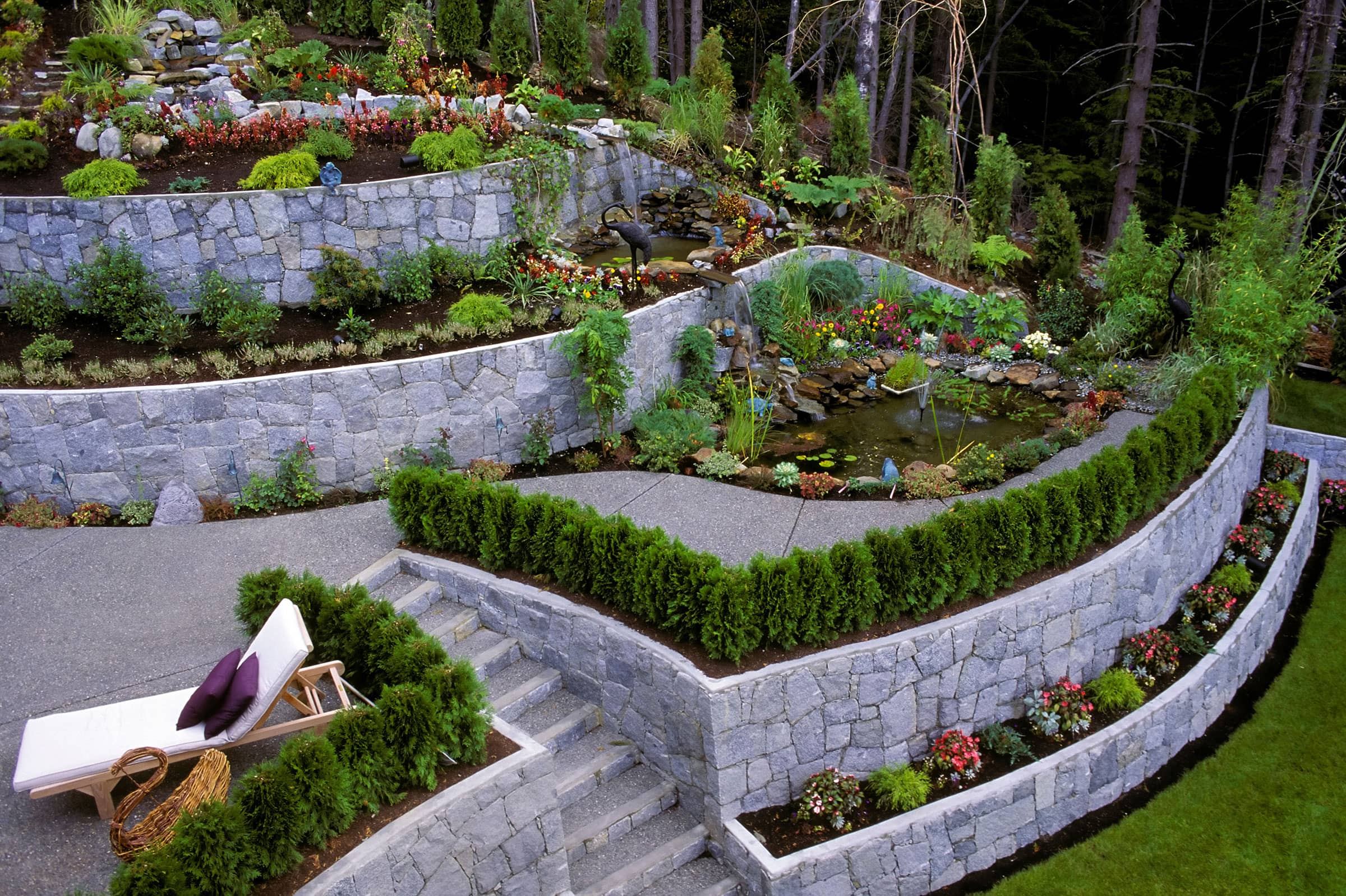
A homeowner in Los Angeles built a 7-foot retaining wall to stabilize a steep backyard slope. The wall required engineering plans submitted to LADBS for approval. The design included reinforced concrete with a drainage pipe system to handle stormwater. The project successfully prevented soil erosion and created usable space for landscaping.
This example shows how LADBS regulations ensure the safety of hillside developments. Without proper engineering, heavy rains could have caused slope failure and damage to the property.
Commercial Parking Lot Retaining Wall
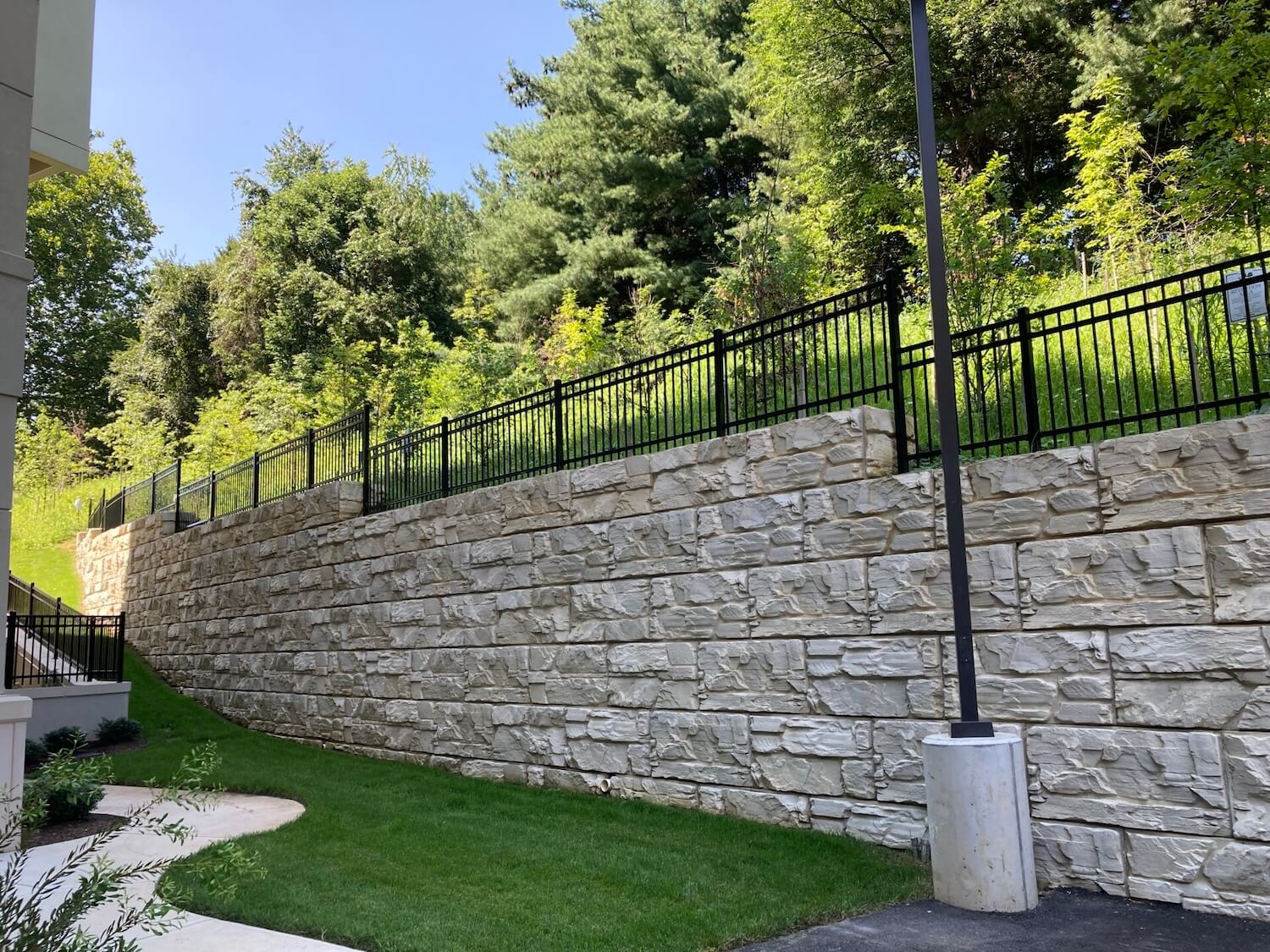
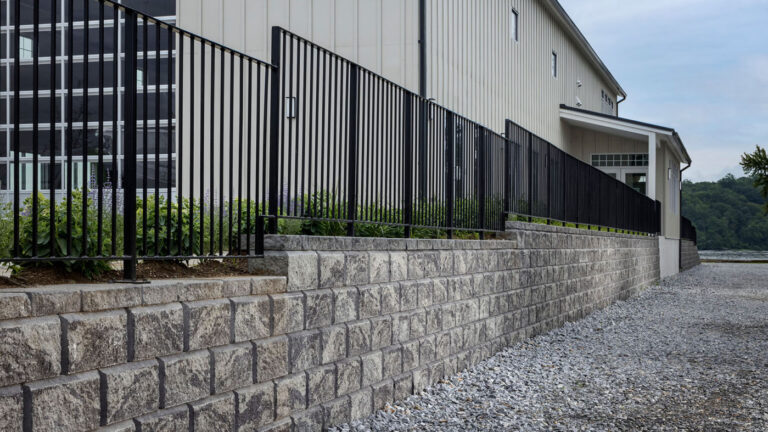
A commercial development required a retaining wall to support a parking lot near a hillside. The wall exceeded 10 feet in height and was designed with tiered segments for added stability. LADBS required extensive soil reports and engineering calculations. During construction, inspections verified reinforcement placement and drainage installations.
This case illustrates how compliance with LADBS ensures structural integrity for walls bearing heavy loads from vehicles and constant use.
Decorative Garden Retaining Wall
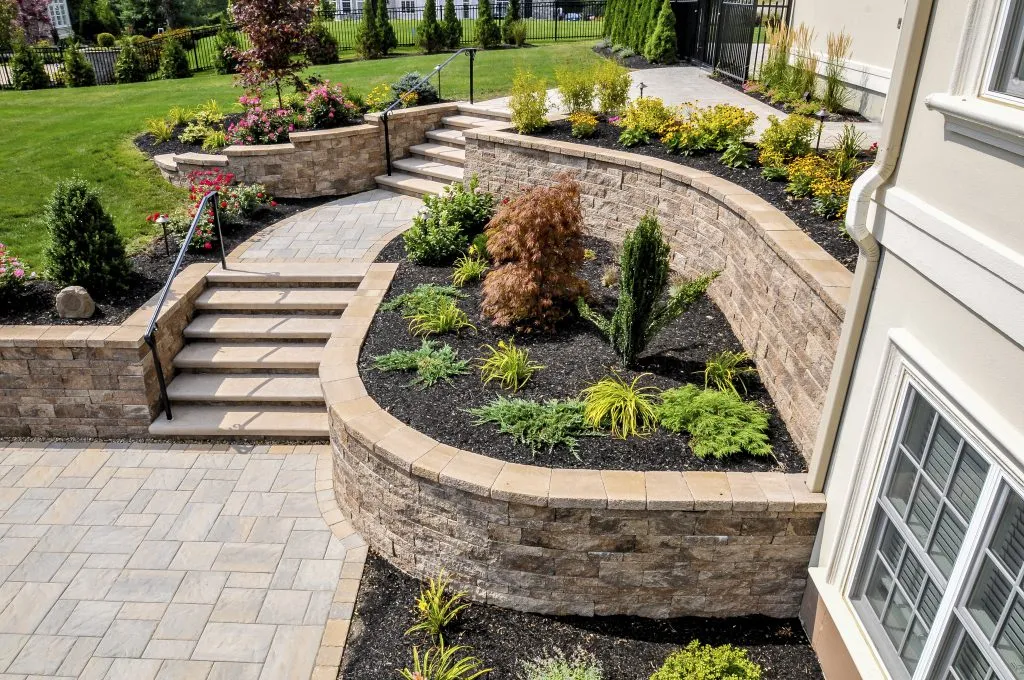
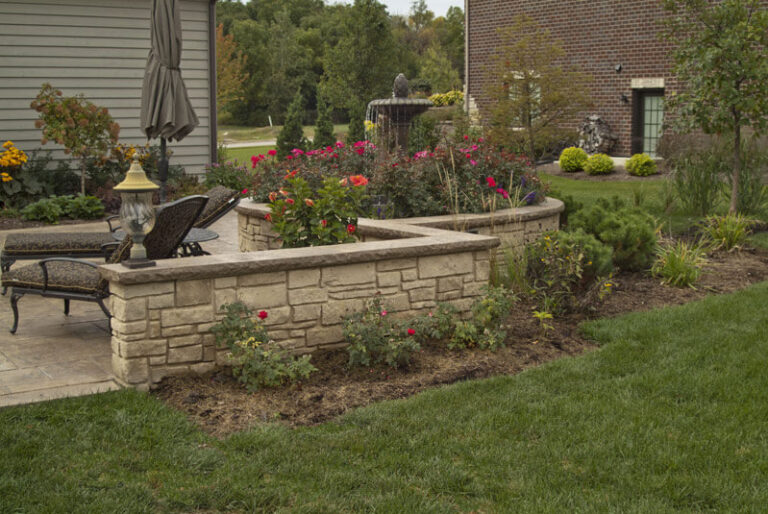
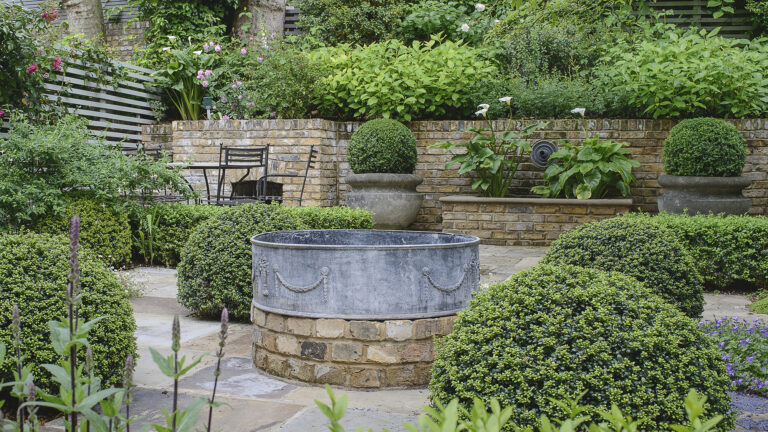
A homeowner installed a 3.5-foot decorative garden retaining wall to create terraced planting beds. Since the wall was under 4 feet and did not bear additional loads, no LADBS permit was required. However, proper construction methods, including compacted soil and a gravel drainage layer, ensured stability.
This example highlights how smaller projects may not need LADBS permits but still benefit from applying best practices recommended by the department.
Public Infrastructure Retaining Wall
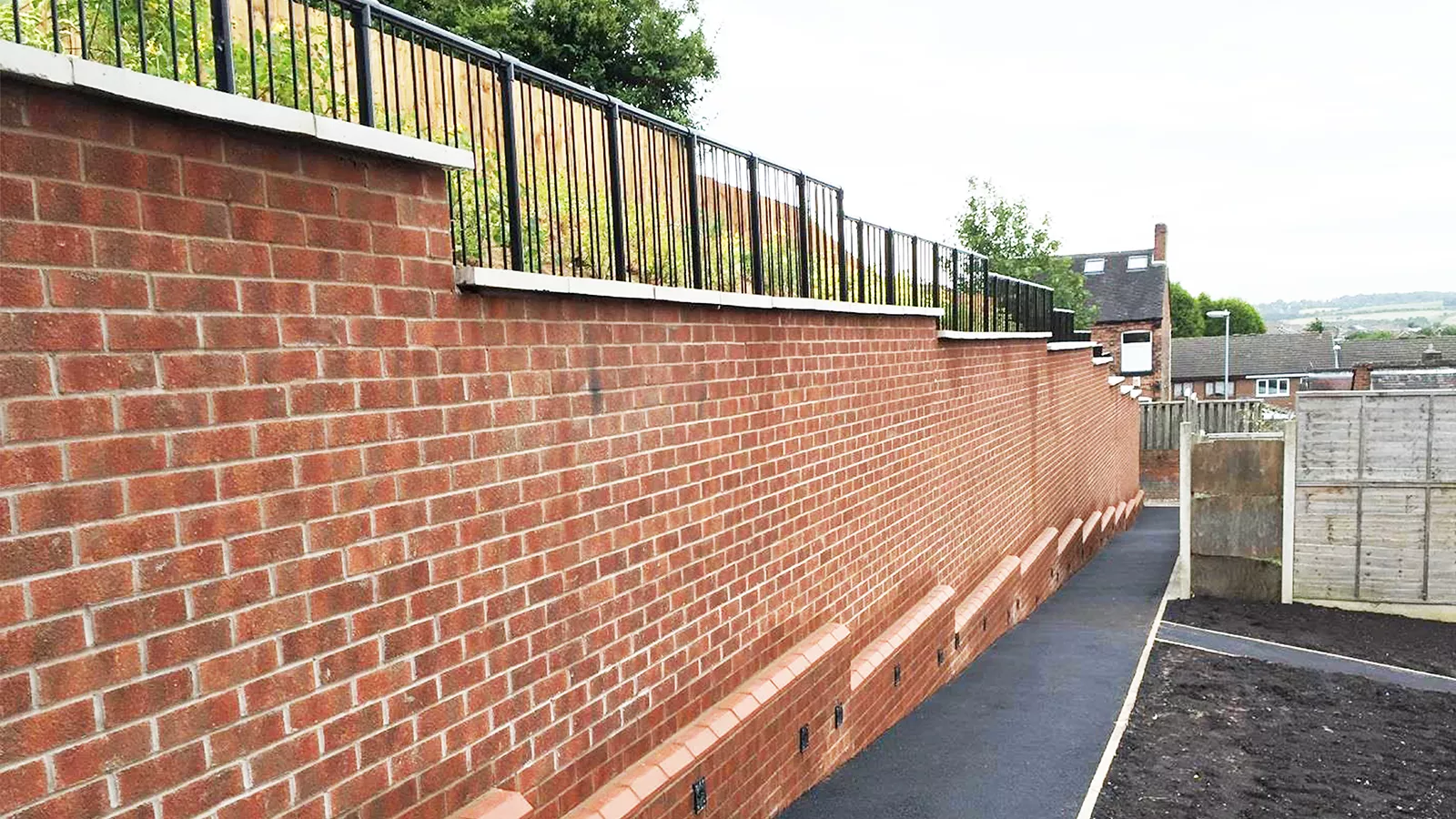
The city of Los Angeles commissioned a retaining wall for a public roadway expansion project. The wall was engineered to withstand seismic activity, heavy traffic surcharges, and water drainage challenges. LADBS played a critical role in reviewing and approving the design before construction.
This example demonstrates LADBS’s importance in overseeing infrastructure projects where public safety is paramount.
Use Cases and Practical Applications
Retaining walls serve multiple practical purposes in Los Angeles due to its varied terrain:
- Slope Stabilization – Preventing landslides and soil erosion in hillside properties.
- Creating Usable Land – Converting sloped areas into flat spaces for gardening, patios, or parking.
- Property Protection – Safeguarding homes, driveways, and buildings from soil movement.
- Infrastructure Support – Providing structural stability for roads, bridges, and public works.
- Aesthetic Landscaping – Enhancing outdoor design with terraced gardens and decorative features.
Each application benefits from LADBS oversight to ensure safety and compliance.
Challenges in Building LADBS Retaining Walls
While LADBS guidelines provide clarity, challenges can arise during construction:
- Cost – Engineering design and permits add to project expenses.
- Time – Plan reviews and inspections may extend project timelines.
- Soil Variability – Unstable or expansive soils require advanced engineering.
- Drainage Issues – Improper drainage can compromise wall integrity.
Overcoming these challenges requires working with experienced contractors and adhering closely to LADBS standards.
Long-Term Maintenance of Retaining Walls
Even after construction, retaining walls require proper maintenance to remain safe and functional:
- Drainage Check – Ensuring water is flowing properly through weep holes or drainage pipes.
- Crack Monitoring – Small cracks should be addressed before they expand.
- Vegetation Control – Preventing root systems from undermining the wall structure.
- Inspection Schedule – Regular assessments help identify issues before they escalate.
LADBS recommends regular maintenance for walls subject to heavy loads or environmental stress.
Future Trends in Retaining Wall Construction
Retaining wall design is evolving with technology and sustainability in mind:
- Eco-Friendly Materials – Use of recycled concrete and sustainable aggregates.
- Green Walls – Integration of vegetation into retaining wall systems.
- Smart Drainage Systems – Advanced monitoring for water pressure and flow.
- Seismic-Resistant Designs – Enhanced reinforcement for earthquake-prone areas like Los Angeles.
These innovations align with LADBS’s mission to enhance safety and environmental responsibility.
Frequently Asked Questions
1. Do all retaining walls in Los Angeles require a LADBS permit?
Not all walls require permits. Generally, walls under 4 feet that do not support surcharge loads are exempt. Taller walls or those bearing loads must be reviewed and permitted by LADBS.
2. How long does the LADBS retaining wall permit process take?
The timeline varies based on project complexity. Simple residential walls may take a few weeks for approval, while large commercial projects can require several months of reviews and revisions.
3. What happens if I build a retaining wall without LADBS approval?
Building without a permit can result in fines, legal issues, and orders to remove or reconstruct the wall. More importantly, unpermitted walls may pose serious safety risks.