Native Landscaping Near Me: Complete Guide to Sustainable and Beautiful Outdoor Spaces
Native landscaping has become a major trend in sustainable design, especially for homeowners who want to reduce maintenance, support local ecosystems, and create naturally beautiful yards. When searching for “native landscaping near me,” most people are looking for ways to transform their outdoor spaces using plants, shrubs, and trees that are naturally adapted to their region’s climate and soil conditions.
In this guide, we’ll explore the key aspects of native landscaping, its many benefits, real-world examples, and practical use cases.
What Is Native Landscaping?
Native landscaping refers to the use of plants that naturally occur in your local region. These plants have evolved over centuries to thrive in your climate, soil type, and weather conditions. Unlike exotic or imported species, native plants are resilient, drought-tolerant, and attract pollinators like bees and butterflies.
This approach not only helps reduce water consumption but also creates an outdoor space that requires less fertilizer, fewer pesticides, and minimal upkeep. The result is a sustainable landscape that enhances the natural character of your environment while supporting biodiversity.
Why People Search for Native Landscaping Near Me
When people type “native landscaping near me,” they are often searching for local professionals, nurseries, or design ideas that are tailored to their geographic area. The key reason for looking locally is that native plants vary widely depending on location. What works in Arizona’s desert climate may not survive in the wetlands of Florida or the prairies of the Midwest.
Searching locally ensures you get advice and plant selections specific to your region, giving you the highest chance of success with your landscape project.
Benefits of Native Landscaping
Low Maintenance and Cost-Effective
Native plants are naturally adapted to local soil and weather, which means they need less watering, fertilizing, and care compared to imported plants. Over time, this reduces both maintenance effort and costs for homeowners.
Water Conservation
Because these plants thrive in their natural environment, they require far less irrigation. In areas prone to drought, native landscaping can significantly reduce water bills and conserve valuable resources.
Supporting Local Wildlife
Native plants attract pollinators such as butterflies, bees, and birds. This helps restore ecological balance and supports biodiversity within your neighborhood.
Natural Aesthetic Appeal
Unlike manicured lawns or imported ornamentals, native landscapes blend seamlessly with the local environment. This creates a natural beauty that feels authentic and enduring.
Real-World Examples of Native Landscaping Projects
Prairie-Style Garden in the Midwest
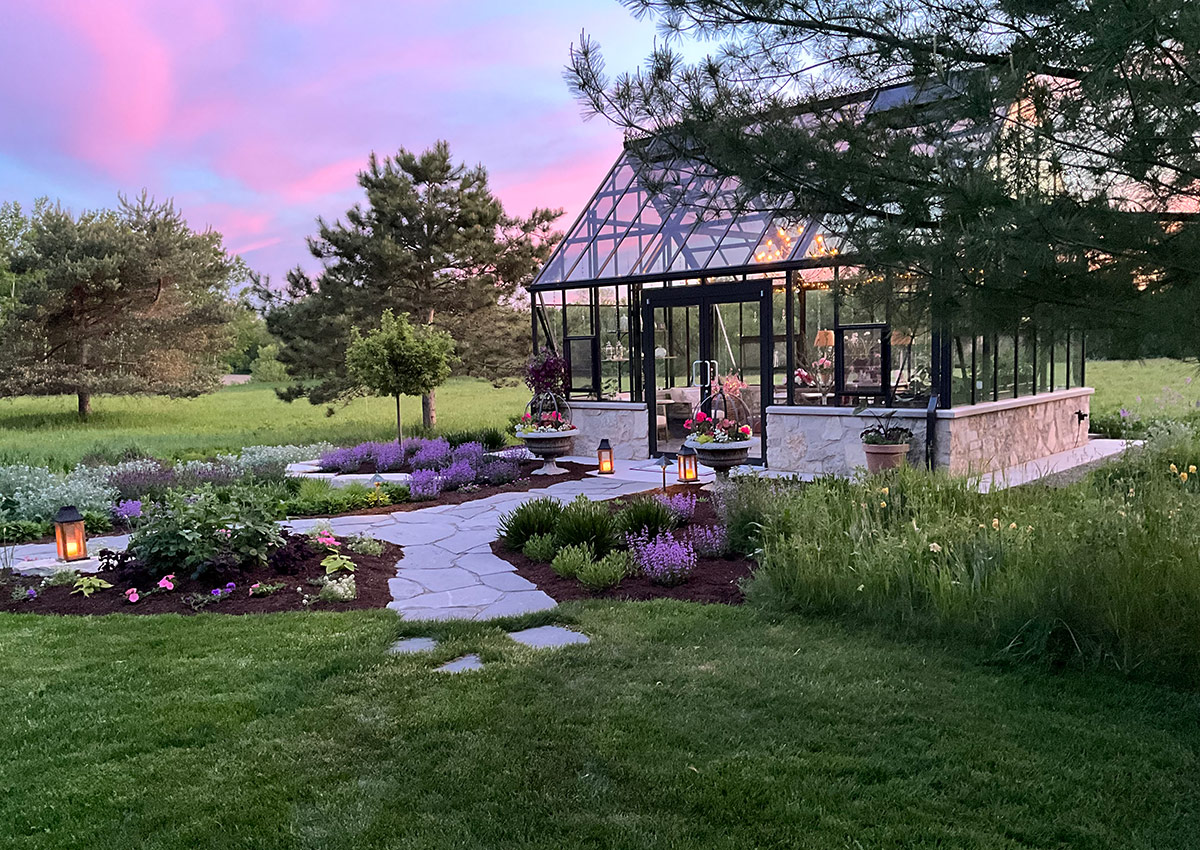
In Midwestern states like Illinois or Minnesota, prairie-style native landscaping is popular. This includes planting grasses like big bluestem and switchgrass, along with wildflowers such as coneflowers and black-eyed Susans. These plants thrive naturally in the region’s climate and require minimal care.
Beyond aesthetics, prairie-style gardens prevent soil erosion, provide shelter for small animals, and enhance stormwater management by allowing rainwater to soak into the soil.
Desert Native Landscaping in Arizona
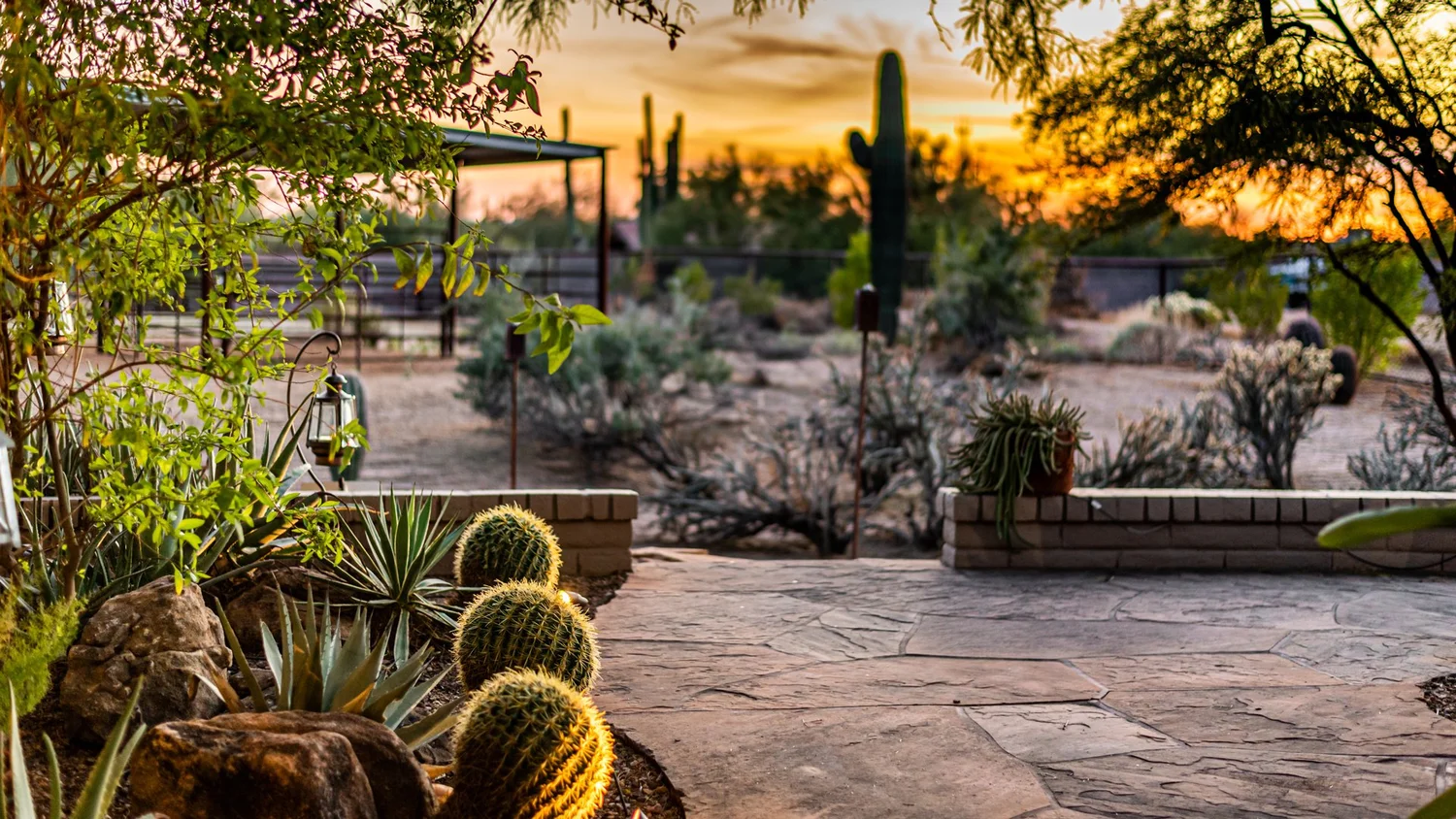
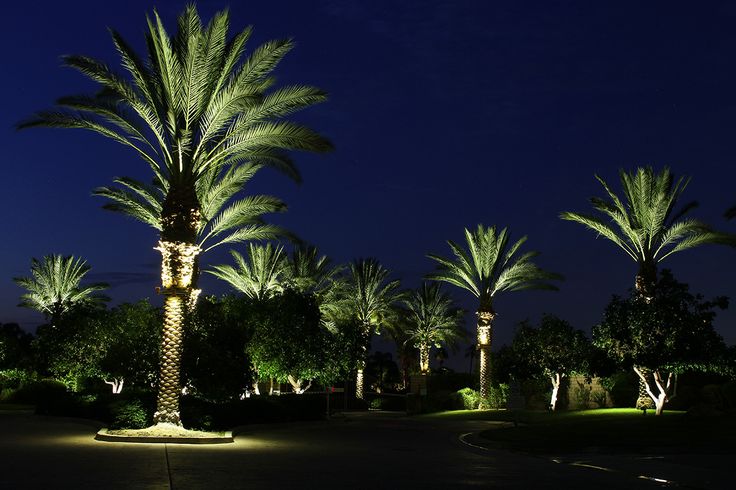
In arid regions like Arizona, homeowners often adopt desert native landscaping. This includes plants like saguaro cactus, agave, and desert marigold. These plants are perfectly adapted to extreme heat and drought, needing almost no irrigation once established.
Desert landscaping is both visually striking and sustainable, turning harsh climates into beautiful, thriving spaces. It also reduces reliance on imported species that require heavy watering.
Coastal Native Planting in Florida
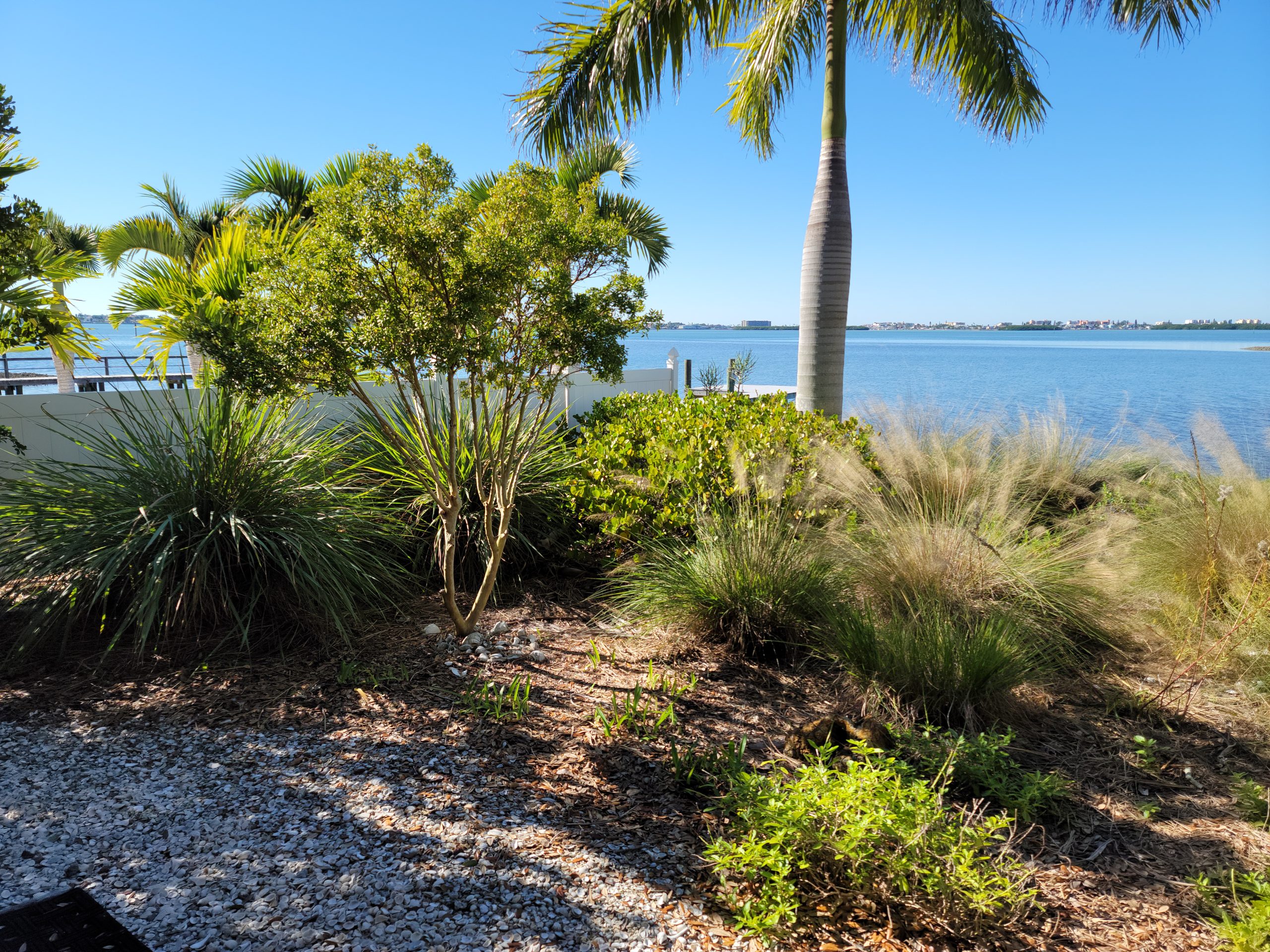
For coastal states such as Florida, native landscaping often incorporates salt-tolerant plants like sea oats, muhly grass, and firebush. These plants not only beautify coastal homes but also stabilize dunes and prevent erosion.
The resilience of coastal native plants helps them withstand hurricanes, salty winds, and shifting soils, making them an ideal solution for beachfront landscaping.
Woodland Garden in the Northeast
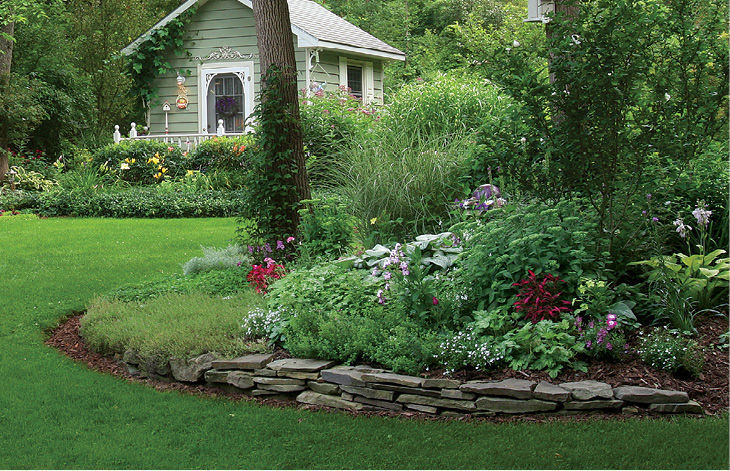
In the Northeastern U.S., native landscaping often takes the form of woodland gardens. Plants like red maple, dogwood, ferns, and trilliums thrive in shaded conditions and add seasonal variety.
These landscapes mirror the natural forest environment, providing habitats for birds and insects while offering homeowners a lush, serene retreat right outside their door.
Practical Use Cases of Native Landscaping
Reducing Flood Risks
Native plants, with their deep root systems, help absorb water more efficiently. This reduces runoff, minimizes flooding, and improves groundwater recharge in residential areas.
Eco-Friendly Lawn Alternatives
Replacing traditional grass lawns with native ground covers or wildflower meadows creates a more sustainable yard that requires less mowing, less watering, and fewer chemicals.
Community Spaces and Parks
Cities and municipalities increasingly use native landscaping in parks and public spaces. This reduces maintenance costs for local governments and creates healthier, more attractive spaces for residents.
Benefits of Using Technology in Native Landscaping
Modern technology has made native landscaping more accessible and efficient.
Landscape Design Software
Homeowners and designers can use 3D landscape design software to visualize how native plants will look in different layouts before starting a project. This helps in making informed choices about spacing, growth, and seasonal changes.
Smart Irrigation Systems
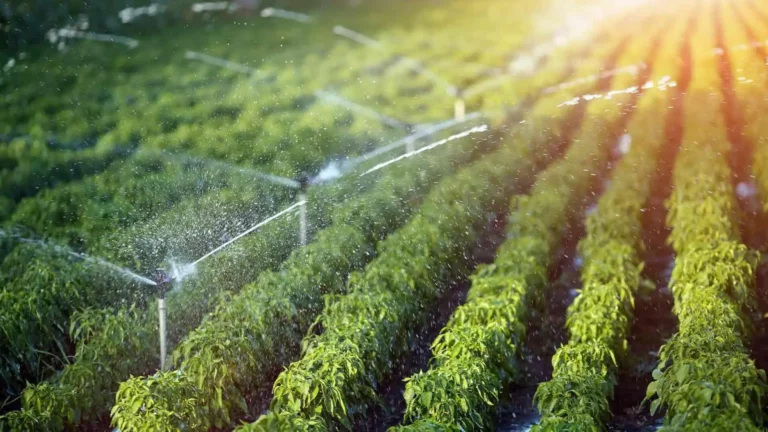
Even though native plants require less water, smart irrigation systems ensure optimal hydration. These systems adjust watering schedules based on real-time weather data, preventing waste and ensuring healthy plant growth.
Plant Identification Apps
Mobile apps can identify native plants by scanning leaves or flowers. This makes it easier for homeowners to recognize which plants belong to their region and which invasive species to avoid.
Common Problems Native Landscaping Solves
-
High Water Bills: Native plants drastically cut down irrigation costs.
-
Soil Erosion: Deep root systems stabilize the ground and prevent erosion.
-
Loss of Wildlife: Native landscaping restores natural habitats for pollinators and local animals.
-
Overuse of Chemicals: Reduces dependency on fertilizers and pesticides.
-
Climate Challenges: Native plants are naturally resilient to local weather extremes.
Frequently Asked Questions
Q1: How do I find the right native plants for my region?
The best way is to consult local nurseries, cooperative extensions, or native plant societies. These resources provide lists of plants proven to thrive in your climate and soil conditions.
Q2: Is native landscaping more expensive to start?
The initial investment may be similar or slightly higher than traditional landscaping, but the long-term savings on water, fertilizers, and maintenance make it cost-effective.
Q3: Can native landscaping work in small urban yards?
Absolutely. Even small yards can benefit from native plants. Designers often use compact species like native grasses, wildflowers, or shrubs to maximize beauty and sustainability in limited spaces.