Outdoor Plant Landscape Guide 2025: Design Ideas, Benefits, and Best Plant Examples
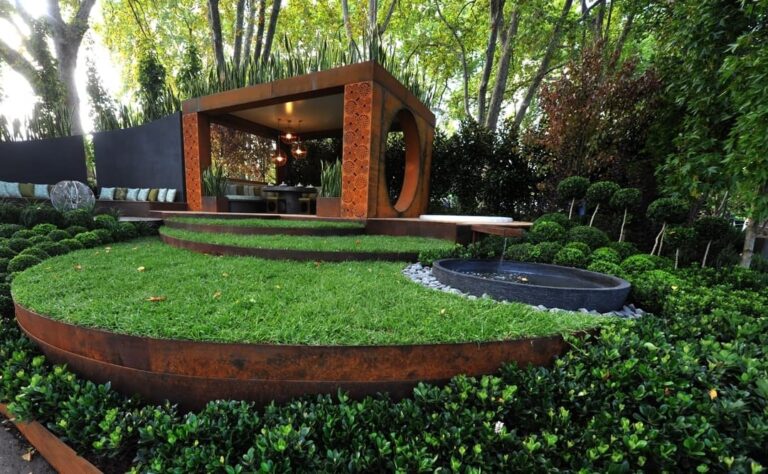
Outdoor plant landscapes are more than just greenery in your yard; they shape the atmosphere of your home, increase property value, and provide ecological benefits. From tropical palms to drought-resistant succulents, the right plant choices can create harmony between architecture and nature. In this guide, we’ll explore what an outdoor plant landscape is, why it matters, and which plant varieties bring the best results for different settings.
Understanding Outdoor Plant Landscape
Outdoor plant landscape refers to the intentional arrangement of plants, trees, and shrubs in exterior spaces to achieve both aesthetic and functional goals. Unlike indoor gardening, landscaping outdoors requires consideration of climate, soil type, maintenance level, and seasonal changes.
A well-designed plant landscape doesn’t just decorate a yard; it enhances natural ecosystems, attracts pollinators, and creates a serene environment. Homeowners, architects, and garden enthusiasts often use landscaping principles such as balance, proportion, and focal points to design plant-rich exteriors.
Key Benefits of Outdoor Plant Landscape
Aesthetic and Curb Appeal
One of the main advantages of landscaping with plants is visual impact. A thoughtfully curated plant landscape enhances the beauty of your home exterior, making it more inviting. Plants add texture, color, and depth to otherwise plain spaces.
Environmental and Health Benefits
Landscaping with plants improves air quality by filtering pollutants and providing oxygen. Native and drought-tolerant plants reduce water consumption, while trees offer shade and lower surrounding temperatures. Psychologically, exposure to green spaces reduces stress and encourages outdoor activities.
Functional Uses
Beyond beauty, outdoor plant landscapes serve functional purposes. Shrubs can act as natural fences for privacy, while tall trees provide windbreaks. Ground cover plants prevent soil erosion and add resilience to garden structures.
Real-World Examples of Outdoor Plant Landscape
Lavender Borders in Mediterranean Gardens
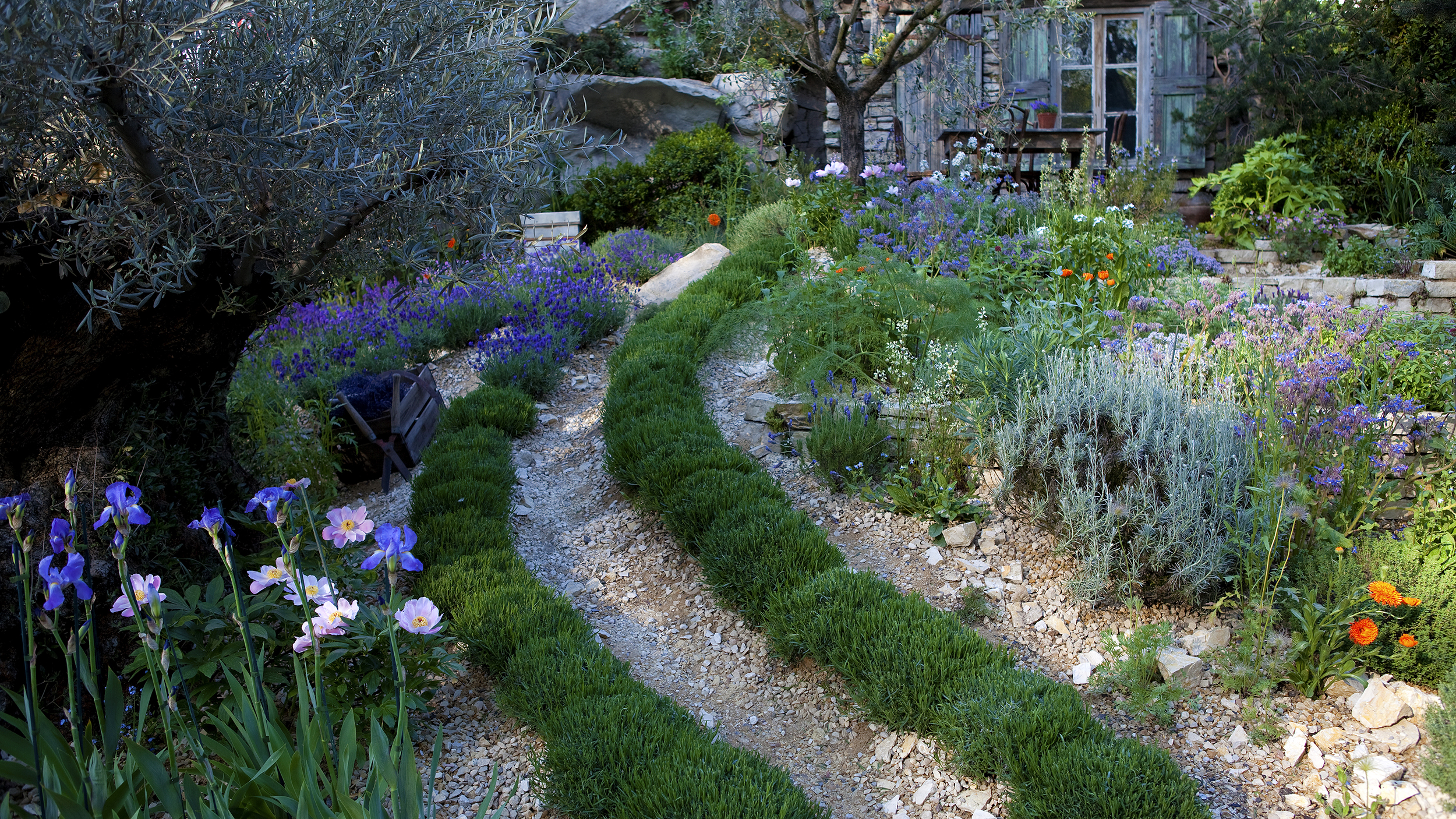
Lavender is a popular choice for Mediterranean-inspired landscapes. Its purple blooms provide a strong color contrast, while its fragrance repels pests naturally. Planting lavender along walkways or borders creates symmetry and elegance.
Lavender thrives in sunny, well-drained areas, making it ideal for homeowners in warm climates. Its low-maintenance nature makes it perfect for those who want a striking look without constant upkeep.
Succulent Rock Gardens
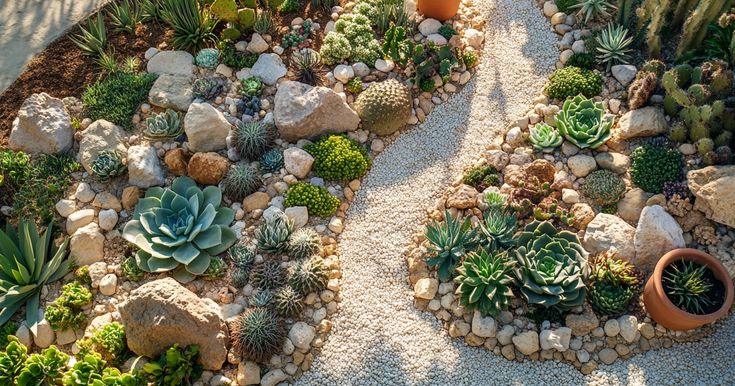
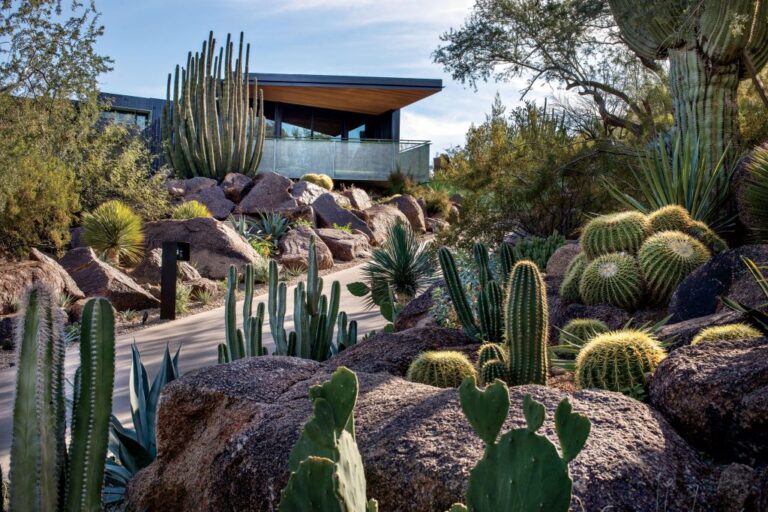
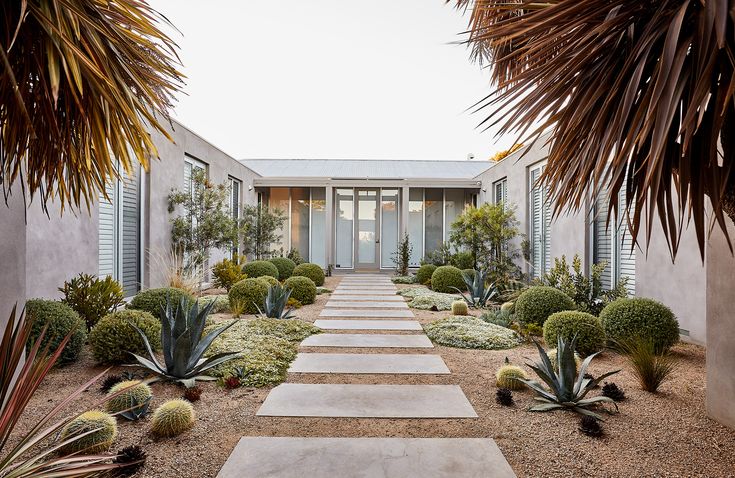
Succulents like agave, echeveria, and aloe are staples of modern outdoor plant landscapes. Their sculptural shapes and drought resistance make them excellent for rock gardens or minimalist yards.
These plants require little water, making them highly sustainable choices for arid regions. Succulent groupings also add a contemporary aesthetic, blending natural textures with stone elements.
Bamboo Screens for Privacy
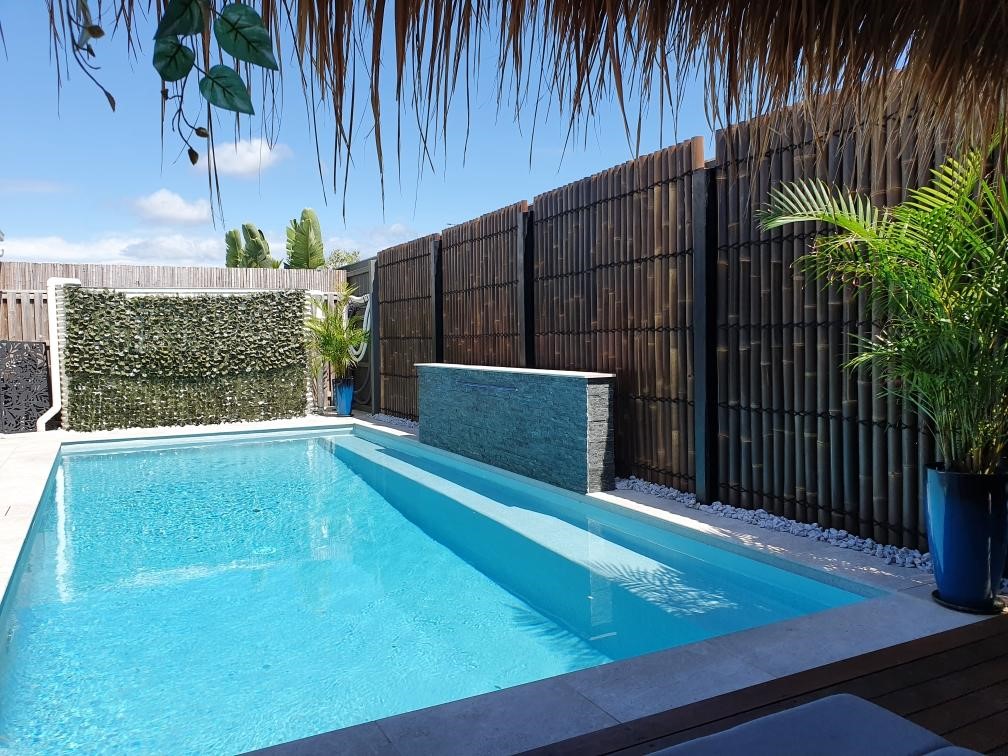
Bamboo is a fast-growing plant commonly used in outdoor landscaping to create natural privacy screens. Its vertical lines complement modern and Asian-inspired garden styles.
Bamboo not only acts as a green barrier but also produces soothing rustling sounds in the wind. It’s a sustainable choice since it regenerates quickly and requires minimal maintenance once established.
Palm Trees in Tropical Outdoor Spaces
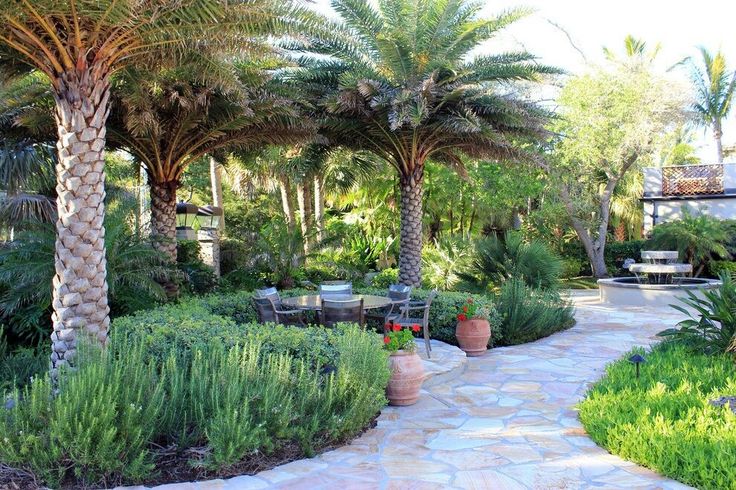
Palm trees are iconic for tropical-themed landscapes. They provide vertical height, shade, and a relaxed vacation-like ambiance.
Palms are versatile and can be paired with ground covers or flowering plants to create layered designs. They are especially popular for coastal properties, resorts, and poolside landscaping.
Hydrangeas for Seasonal Color
Hydrangeas bring seasonal vibrancy with their large, colorful blooms that shift shades depending on soil pH. They work well in suburban gardens, cottage landscapes, or as foundation plantings near homes.
These flowering shrubs create focal points and attract pollinators, making them both beautiful and ecologically beneficial. With proper pruning, hydrangeas can thrive for decades.
Use Cases of Outdoor Plant Landscape
Enhancing Residential Homes
Outdoor plant landscapes instantly elevate the look of private homes. From front-yard flower beds to backyard relaxation zones, plants transform simple spaces into inviting retreats. Families benefit from shade, fresh air, and a calming environment.
Public Spaces and Commercial Properties
City planners and businesses often incorporate plant landscapes in parks, plazas, and office courtyards. They improve community well-being, increase foot traffic, and soften urban structures with natural beauty.
Problem-Solving with Landscaping
Landscaping with the right plants can solve practical problems such as poor drainage, erosion, or excessive noise. For example, ground cover plants stabilize slopes, while hedges act as natural sound barriers along busy roads.
The Role of Technology in Outdoor Plant Landscape
Modern technology enhances how we plan and maintain landscapes. Software tools allow homeowners and designers to visualize plant layouts before installation. Smart irrigation systems reduce water waste by adjusting schedules based on weather conditions.
Drones and satellite mapping provide soil and moisture analysis, enabling better plant selection. This integration of technology ensures efficiency, sustainability, and healthier plant growth in outdoor spaces.
Frequently Asked Questions
Q1: What plants are best for low-maintenance outdoor landscapes?
Succulents, native grasses, and drought-tolerant shrubs are excellent for low-maintenance landscapes. They require minimal watering and thrive in diverse conditions.
Q2: How do I choose plants suitable for my climate?
Research your local USDA hardiness zone or consult regional gardening guides. Native plants are often the most sustainable and resilient choice.
Q3: Can outdoor plant landscapes increase property value?
Yes. A well-designed landscape can raise property value by up to 15%. Curb appeal plays a crucial role in attracting buyers and creating lasting first impressions.