Railroad Retaining Wall: Complete Guide, Benefits, and Real-World Applications
Railroad retaining walls play a critical role in modern railway engineering. Designed to provide stability, manage soil pressure, and secure railway infrastructure, these structures are essential for ensuring the safety and efficiency of rail systems. Whether used in hillside railways, urban rail development, or freight corridors, retaining walls protect tracks from landslides, soil erosion, and collapse.
This guide provides a comprehensive look into what railroad retaining walls are, why they are important, the technologies and materials used, the benefits, and real-world examples.
What is a Railroad Retaining Wall?
A railroad retaining wall is a specialized structure built alongside or beneath railway tracks to hold back soil, prevent erosion, and maintain track stability. These walls are commonly used in areas where railways are constructed on slopes, embankments, or cut sections. Without proper retaining structures, rail tracks are vulnerable to soil movement, which can lead to derailments or costly maintenance.
The engineering behind railroad retaining walls requires a balance of soil mechanics, drainage, and load-bearing design. These walls are built using durable materials such as concrete, stone, steel, or modern geosynthetic reinforcements, depending on the location and environmental conditions.
Types of Railroad Retaining Walls
Gravity Retaining Walls
Gravity retaining walls rely on their own weight to resist soil pressure. Built from massive stone blocks or reinforced concrete, these walls are often used in areas with limited space but high stability requirements.
Cantilever Retaining Walls
Cantilever walls use a reinforced concrete base slab and vertical stem to resist soil pressure. They are common in modern railway projects due to their efficiency and strength.
Mechanically Stabilized Earth (MSE) Walls
MSE walls combine soil reinforcement with precast concrete panels. This method is cost-effective and widely used in large-scale railroad projects due to its flexibility and durability.
Sheet Pile Retaining Walls
Sheet pile walls use steel, vinyl, or timber planks driven into the ground to hold back soil. These are ideal for temporary structures or areas with soft soil conditions near railways.
Materials Used in Railroad Retaining Walls
Concrete
Concrete is the most widely used material due to its durability and ability to withstand heavy loads from trains.
Natural Stone
Stone masonry is commonly seen in historic railroad retaining walls, providing both strength and aesthetic appeal.
Steel
Steel sheet piles and reinforcements are used for walls requiring extra flexibility in challenging soil conditions.
Geosynthetics
Modern walls often incorporate geotextiles and geogrids to improve soil stability while reducing construction costs.
Stone Masonry Railroad Retaining Walls
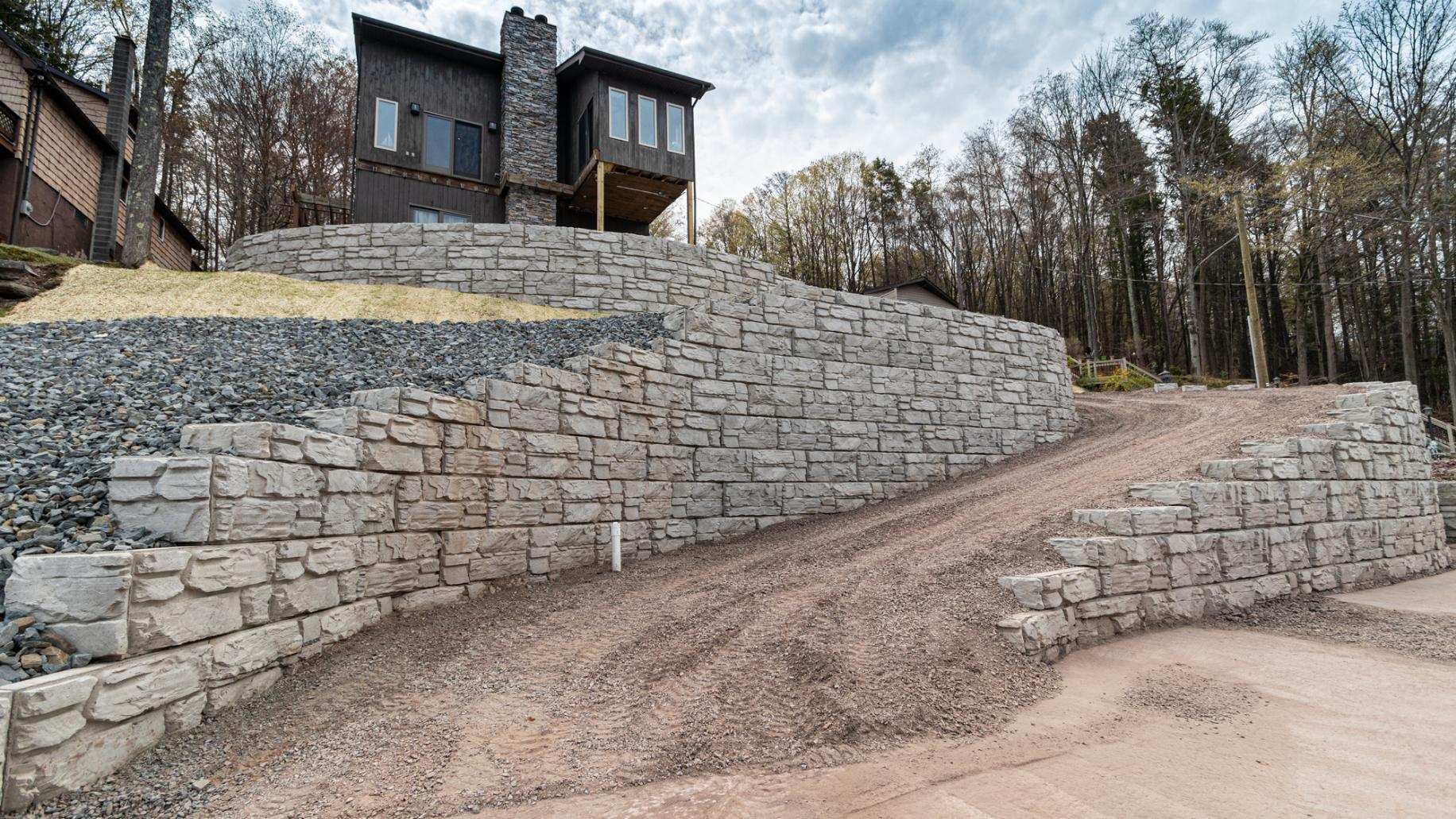
Historic railways in Europe and the United States often feature stone masonry retaining walls. Built over a century ago, these structures remain in use today due to their exceptional durability. For example, sections of the Union Pacific Railroad still rely on original stone retaining walls built in the late 1800s.
These walls not only highlight the engineering strength of natural stone but also showcase how proper design can withstand decades of weathering, train vibrations, and soil pressure. They require occasional maintenance but remain a cost-effective long-term solution.
MSE Walls in Freight Rail Corridors
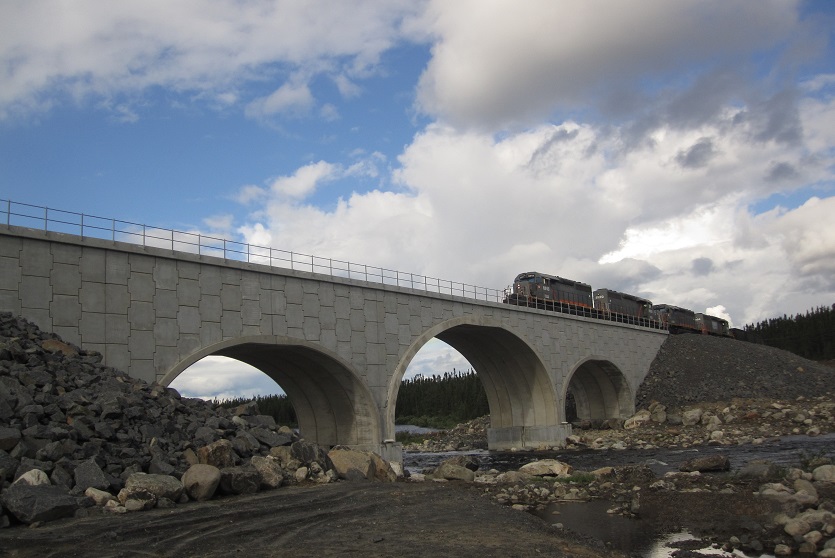
Mechanically stabilized earth walls are widely used in modern freight rail corridors. For instance, the BNSF Railway has employed MSE walls in expansion projects where additional tracks were added along sloped terrain.
These walls allow for quick construction, reduced costs, and adaptability to different soil conditions. By combining reinforced soil with concrete facing panels, MSE walls provide both strength and flexibility, making them ideal for high-capacity freight rail systems.
Cantilever Retaining Walls in Urban Railways
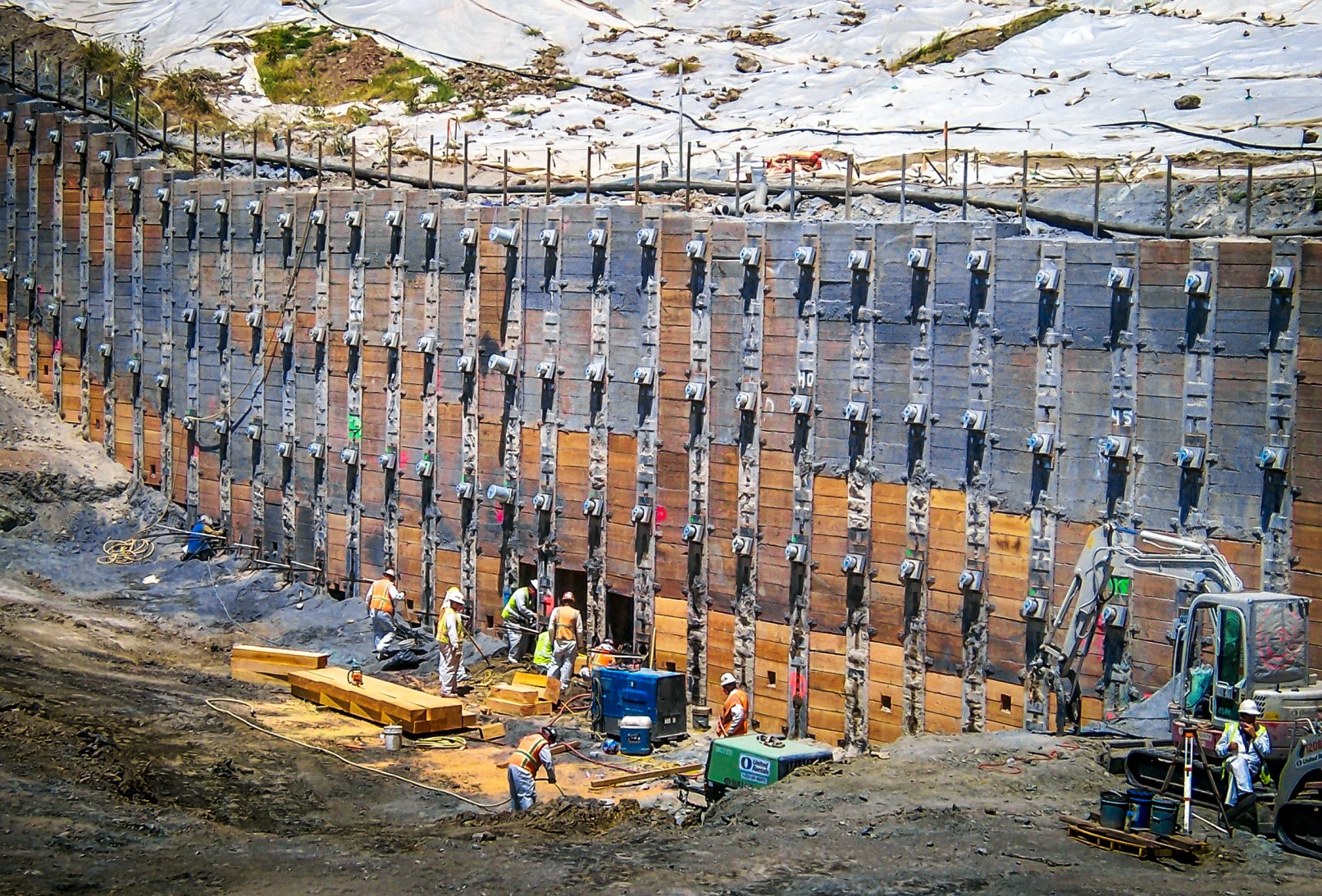
Urban rail projects often require cantilever retaining walls due to space limitations. In cities like New York and London, cantilever walls are used in underground rail lines and elevated sections where tracks must be supported while minimizing footprint.
These walls provide structural efficiency, durability, and effective use of limited urban space. By integrating drainage systems, they also manage water pressure essential in metropolitan environments prone to flooding.
Sheet Pile Walls for Temporary Rail Support
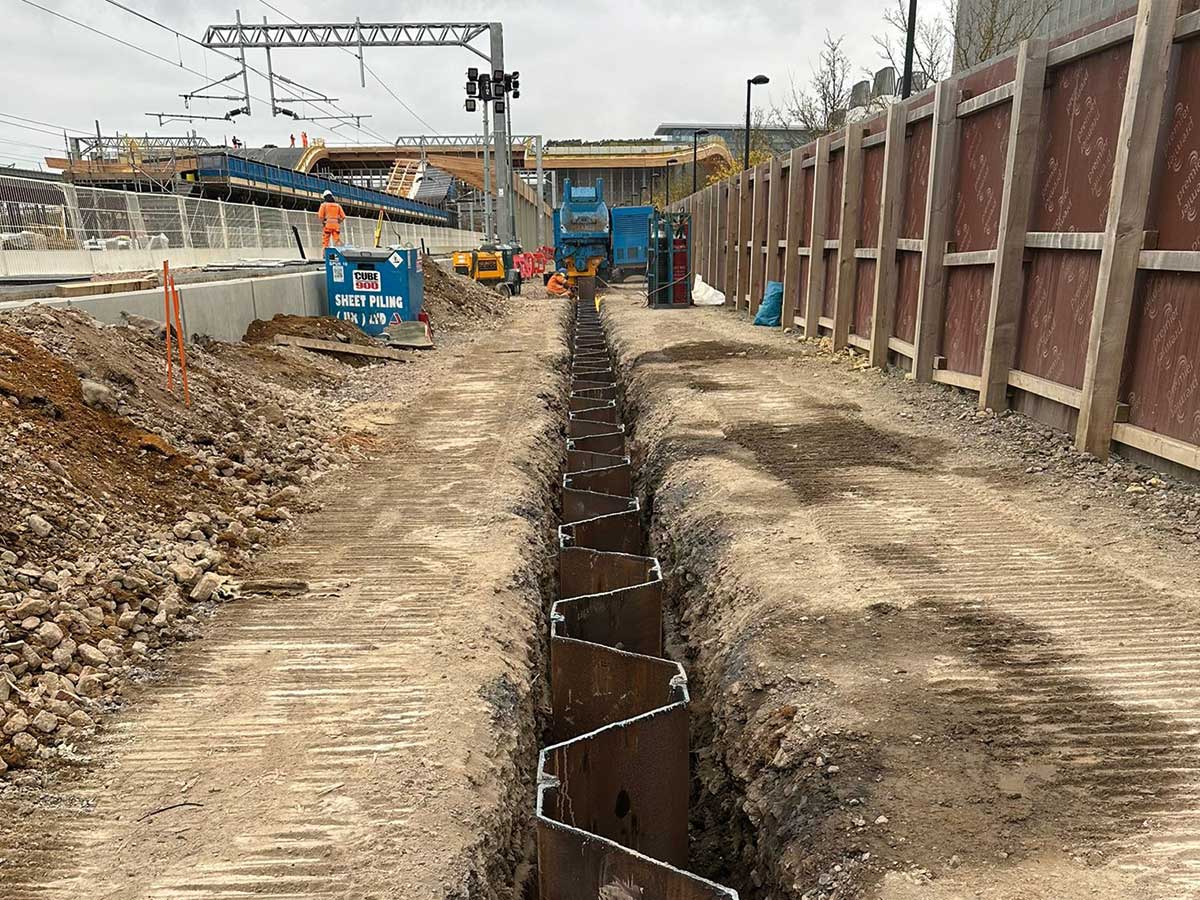
During rail construction or repair, sheet pile retaining walls are often installed as temporary solutions. For example, Amtrak has used steel sheet pile walls during track realignment projects to stabilize soil until permanent retaining walls were built.
These walls are quick to install and cost-effective for short-term projects. While not always suitable for long-term use, they provide essential support during critical phases of railway construction.
Benefits of Railroad Retaining Walls
Stability and Safety
The primary benefit of retaining walls in railroads is enhanced stability. They prevent landslides, erosion, and soil collapse that can disrupt train operations and pose safety risks.
Durability
Built with reinforced concrete, steel, or stone, railroad retaining walls are designed to last for decades under heavy loads and environmental stress.
Efficient Land Use
Retaining walls allow railroads to build through challenging landscapes, including hillsides, valleys, and tight urban areas.
Reduced Maintenance Costs
By preventing soil erosion and track instability, retaining walls reduce the need for costly maintenance and repairs over time.
Environmental Protection
Walls with proper drainage systems help manage water flow, reducing the risk of flooding and protecting surrounding ecosystems.
Use Cases of Railroad Retaining Walls
Mountain Railways
Railroads built in mountainous regions rely heavily on retaining walls to prevent rockfalls and soil erosion that can damage tracks.
Urban Transit Systems
In densely populated cities, retaining walls maximize space by supporting underground and elevated tracks while ensuring structural safety.
Freight Rail Corridors
High-capacity freight lines use retaining walls to support heavy loads and enable track expansion in tight spaces.
Coastal Railways
In coastal regions, retaining walls protect railways from erosion caused by waves and shifting sands.
Railroad Retaining Walls in Mountain Regions
The Darjeeling Himalayan Railway in India features retaining walls that protect the narrow-gauge tracks from landslides during heavy monsoon rains. These walls are vital to keeping the railway operational in extreme weather conditions.
Similarly, the Rocky Mountain railway routes in the U.S. use reinforced concrete retaining walls to stabilize steep slopes, ensuring passenger and freight trains can pass safely.
Frequently Asked Questions
1. How long do railroad retaining walls last?
Most modern retaining walls, when built with reinforced concrete or steel, can last 50–100 years with proper maintenance. Historic stone walls have lasted even longer.
2. What factors determine the type of retaining wall used in railways?
The choice depends on soil conditions, available space, budget, load requirements, and environmental factors like rainfall or seismic activity.
3. Why are retaining walls critical in railroads?
They provide essential soil support, prevent landslides, protect tracks, and allow railways to function safely in challenging terrains.