Retaining Wall Contractors: Complete Guide, Benefits, and Real-World Examples
Retaining walls are essential elements in modern landscaping, offering both functional and aesthetic value. They prevent soil erosion, manage sloped areas, and create usable spaces. However, achieving a durable and visually appealing retaining wall requires professional expertise. This is where retaining wall contractors play a crucial role. In this comprehensive guide, we will explore who retaining wall contractors are, what they do, the benefits of hiring them, the technologies they use, and real-world examples of successful projects.
Understanding Retaining Wall Contractors
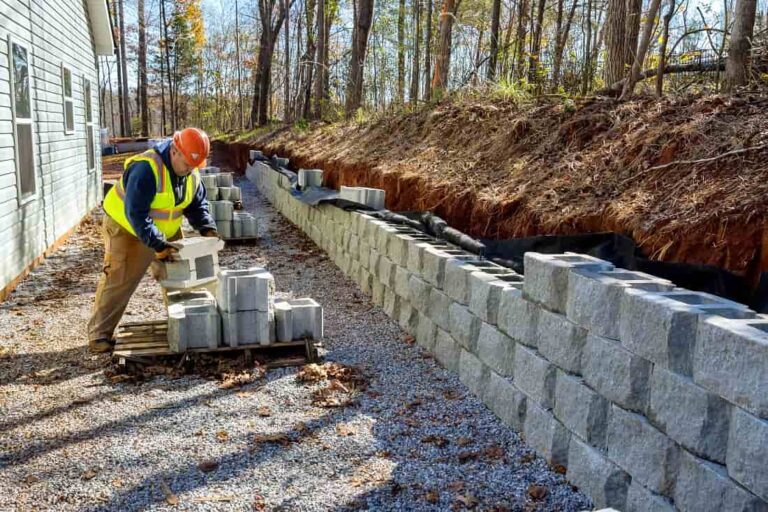
Retaining wall contractors are professionals who specialize in designing, constructing, and maintaining retaining walls. Their expertise goes beyond stacking blocks or pouring concrete. They carefully analyze soil conditions, water drainage, and structural requirements to ensure long-lasting results. These contractors often work closely with landscape architects and homeowners to bring functional and aesthetic visions to life.
Hiring a professional contractor ensures compliance with local building codes, proper use of materials, and effective management of challenges like drainage or soil pressure. Without professional guidance, a poorly constructed retaining wall can collapse, leading to costly repairs and safety risks.
Why Retaining Wall Contractors Are Essential
Retaining walls are not just about looks they serve critical structural purposes. Contractors ensure walls can withstand lateral earth pressure, manage stormwater effectively, and provide stability in sloped terrains. Additionally, professional contractors bring experience in selecting the right materials, whether it’s concrete blocks, natural stone, or timber.
Working with contractors also guarantees efficient project execution. They handle excavation, drainage systems, material sourcing, and precision construction, making the process seamless for homeowners or property developers.
Benefits of Hiring Retaining Wall Contractors
Hiring retaining wall contractors offers a range of advantages, from safety to aesthetics. Here are some key benefits:
Expertise and Knowledge
Contractors bring specialized knowledge in soil mechanics, drainage solutions, and load-bearing structures. This expertise ensures the wall remains durable and effective for decades.
Time and Cost Efficiency
Although hiring a contractor may seem expensive upfront, it saves money in the long run by avoiding costly mistakes, material waste, or structural failures. Contractors streamline the process, completing projects faster than DIY attempts.
Advanced Technology and Tools
Professional contractors use technology such as laser levels, compactors, and advanced drainage systems to ensure precision. These tools improve accuracy and reduce the risk of structural weaknesses.
Customization and Design Options
From modern sleek designs to natural stone finishes, contractors offer a wide range of customization to match the landscape’s style. Their ability to blend function with design enhances property value significantly.
Technology in Retaining Wall Construction
Modern retaining wall contractors incorporate technology to improve quality and efficiency. Tools like geogrid reinforcement, water management systems, and engineering software for load calculations are standard in professional projects.
Laser leveling ensures walls are perfectly aligned, while compacting machines stabilize the foundation. These technological approaches not only speed up construction but also improve long-term durability, reducing maintenance needs.
Real-World Examples of Retaining Wall Projects
Below are several examples of real-world retaining wall solutions executed by contractors, showcasing their importance and expertise.
Residential Sloped Backyard Transformation

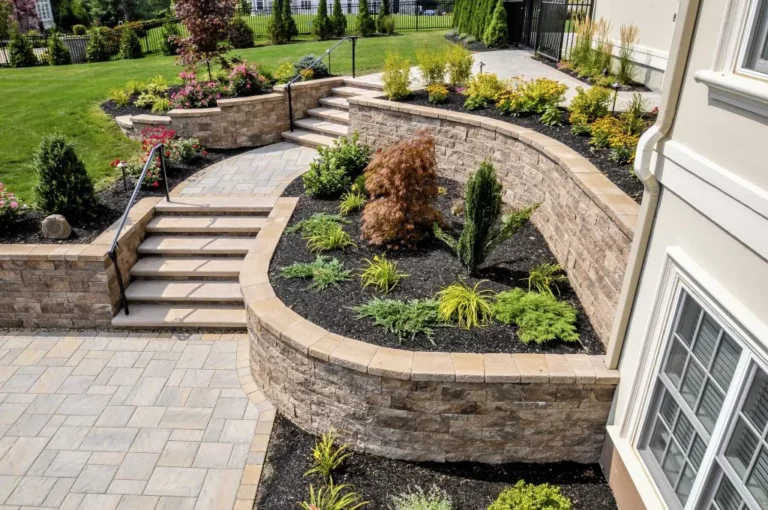
A homeowner with a steep backyard faced soil erosion and unusable outdoor space. Contractors designed a multi-tiered retaining wall system using concrete blocks. The wall not only stabilized the soil but also created flat garden terraces and seating areas. This project turned a previously wasted area into a functional and attractive outdoor living space.
Commercial Property Parking Lot Support
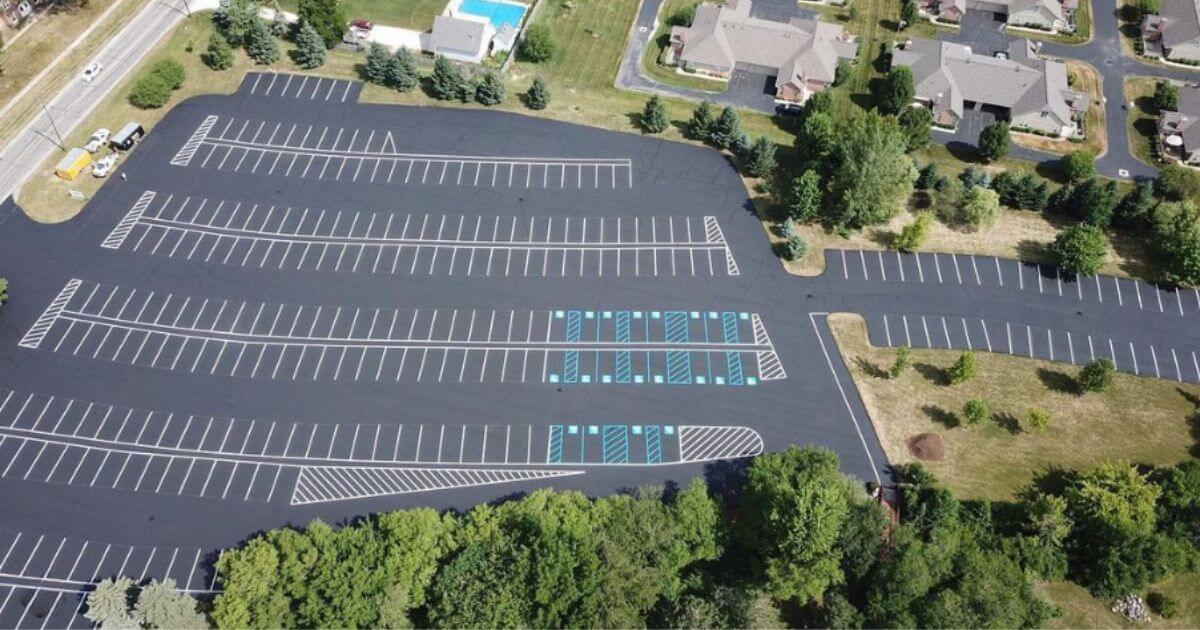
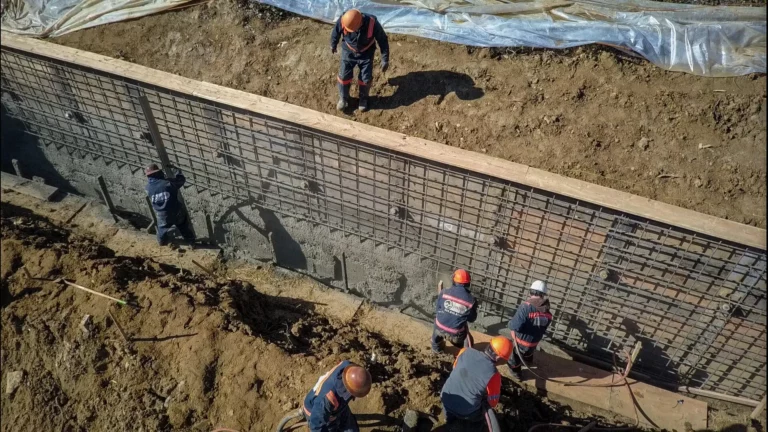
A commercial building needed additional parking space, but the land was sloped. Contractors constructed a large reinforced retaining wall to support the parking lot expansion. Geogrid reinforcement and advanced drainage solutions were applied to manage the heavy loads. This project demonstrates how retaining walls are essential for commercial infrastructure stability.
Natural Stone Retaining Wall for Aesthetic Appeal
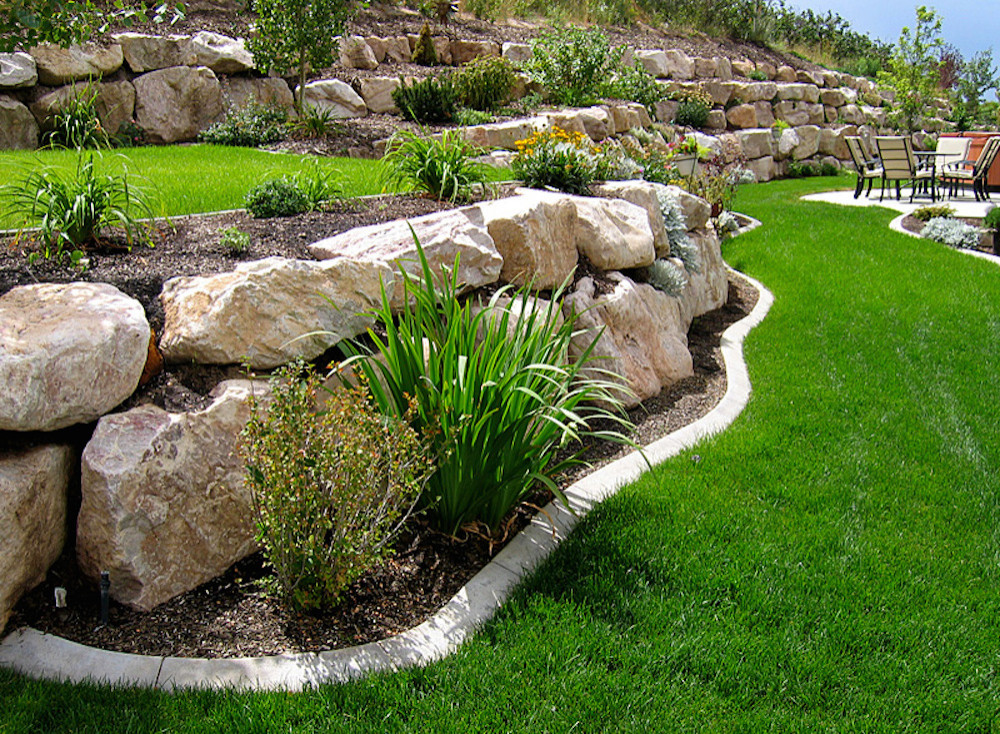
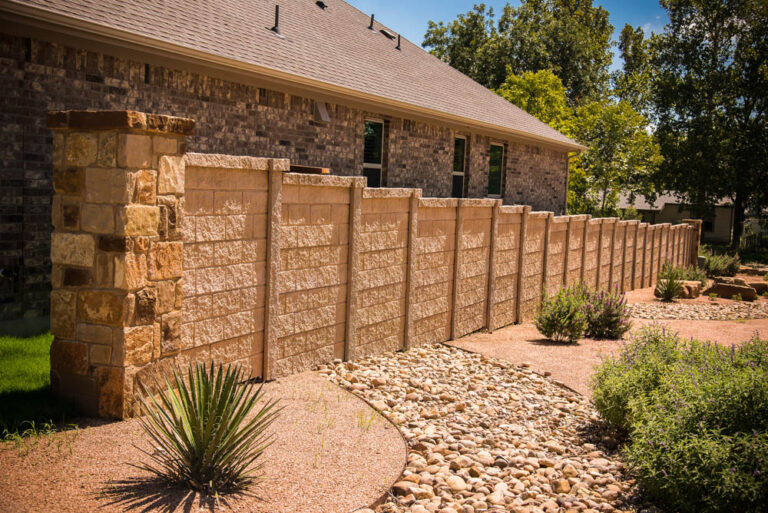
In a luxury residential project, contractors used natural stone to build a retaining wall that blended seamlessly with the landscape. Beyond its structural function, the wall acted as a decorative element, enhancing the property’s curb appeal. The craftsmanship and attention to detail elevated both the functionality and beauty of the space.
Public Park Erosion Control

In a public park, soil erosion threatened walking paths and green areas. Contractors installed a series of retaining walls integrated with proper drainage channels. These walls not only protected the landscape but also provided seating and decorative features for visitors. The project illustrates how retaining walls serve communities beyond private properties.
Practical Use Cases of Retaining Wall Contractors
Managing Soil Erosion
Erosion is a common issue in sloped areas. Contractors design retaining walls with built-in drainage systems, effectively controlling soil movement and protecting the property.
Maximizing Usable Space
In hilly or uneven terrains, retaining walls create flat, usable areas. Contractors help homeowners expand gardens, patios, and play areas by stabilizing slopes.
Enhancing Aesthetic Appeal
Beyond utility, retaining walls contribute to landscape design. Professional contractors integrate artistic elements, textures, and materials that enhance property aesthetics.
Increasing Property Value
Well-constructed retaining walls are long-term investments. They improve curb appeal and functionality, increasing the resale value of homes and commercial properties.
Common Challenges Contractors Solve
Drainage Problems
Improper water drainage leads to wall failure. Contractors install weep holes, gravel backfills, and drainage pipes to ensure water flows correctly.
Structural Failures
DIY retaining walls often collapse due to poor design. Contractors prevent this by calculating soil pressure, selecting suitable materials, and reinforcing walls with technology.
Regulatory Compliance
Many municipalities have strict codes for retaining walls above certain heights. Contractors navigate these regulations, obtaining permits and ensuring legal compliance.
Frequently Asked Questions
1. What is the average lifespan of a retaining wall built by contractors?
A professionally built retaining wall can last 40 to 100 years, depending on materials and maintenance. Concrete and stone walls generally last longer than timber.
2. Do retaining wall contractors provide design services?
Yes, many contractors collaborate with landscape designers to create both functional and visually appealing retaining walls. They can customize designs based on property needs.
3. How do contractors ensure drainage in retaining walls?
Contractors use techniques like gravel backfill, perforated drainage pipes, and weep holes to manage water flow. This prevents hydrostatic pressure buildup and increases wall longevity.