Vegetable Herb Garden Layout: Complete Guide for Productive & Beautiful Gardens
Designing the perfect vegetable herb garden layout requires both creativity and planning. Whether you have a large backyard, a small raised bed, or even a balcony, the way you arrange vegetables and herbs will affect growth, productivity, and maintenance. A smart layout ensures plants thrive, reduces pests, and makes gardening more enjoyable.
In this guide, we will explore layout ideas, real-world examples, benefits, and practical use cases to help you create a functional and beautiful garden.
Why Layout Matters in a Vegetable Herb Garden
The layout of your garden is more than just aesthetics; it impacts plant health, ease of maintenance, and your overall harvest. A thoughtful design can:
-
Maximize the limited space for both vegetables and herbs.
-
Improve soil health through crop rotation and companion planting.
-
Reduce weeds and pests naturally.
-
Enhance visual appeal, making your garden a pleasant place to spend time.
Key Principles of Designing a Vegetable Herb Garden Layout
Sunlight and Orientation
Vegetables and herbs need at least 6–8 hours of sunlight daily. Position taller plants like tomatoes or corn on the northern side so they don’t shade smaller herbs like basil or thyme.
Accessibility
Paths between rows or raised beds should allow easy access for watering, weeding, and harvesting. Narrow pathways can make gardening frustrating, while wide ones waste valuable planting space.
Companion Planting
Certain herbs can naturally protect vegetables. For example, basil repels pests from tomatoes, while rosemary and sage deter cabbage moths. Using companion planting as part of your layout enhances both growth and flavor.
Popular Layout Styles for Vegetable Herb Gardens
Raised Bed Layouts
Raised beds make it easier to control soil quality and drainage. Herbs like parsley, cilantro, and chives thrive alongside lettuce and radishes in these confined spaces.
Row Planting Layouts
Traditional rows are effective for large gardens. Rows of vegetables can be bordered with aromatic herbs like oregano and thyme to create natural pest barriers.
Potager (Kitchen Garden) Layouts
A potager combines function with beauty, blending vegetables, herbs, and even flowers into a decorative pattern. This style creates a lush and inviting garden that also provides food for the household.
Real-World Examples of Vegetable Herb Garden Layouts
Raised Wooden Bed Layout
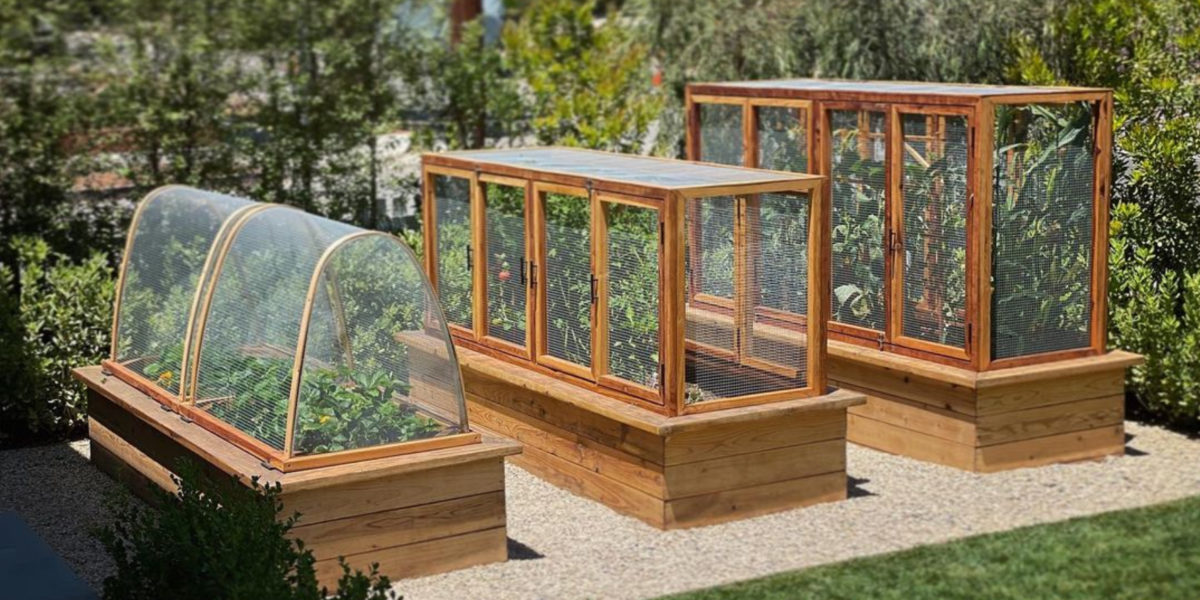
A raised wooden bed measuring 4×8 feet is one of the most practical layouts for beginners. In this design, leafy greens like spinach and lettuce are planted in the front rows, while taller vegetables such as tomatoes grow at the back. Along the sides, herbs like basil, cilantro, and thyme create fragrant borders.
This type of layout makes weeding easier, improves soil drainage, and allows efficient crop rotation season after season.
Vertical Herb and Vegetable Garden
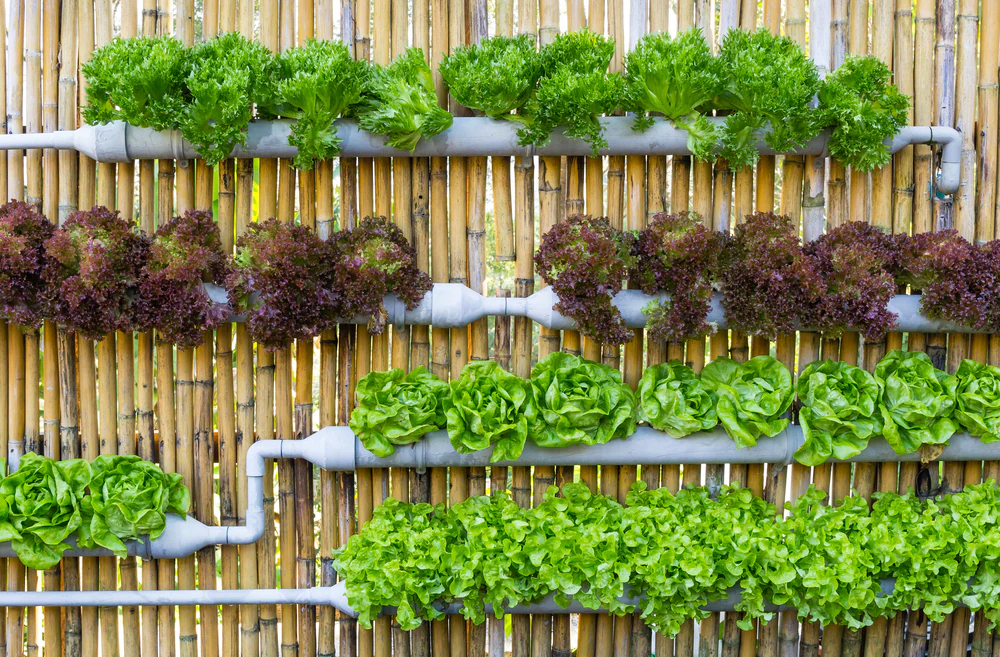
For gardeners with limited space, vertical planters or wall-mounted pockets are excellent solutions. Herbs such as parsley, mint, and oregano are placed in upper sections for easy access, while compact vegetables like cherry tomatoes and peppers grow below.
This layout maximizes vertical space, makes harvesting simple, and is especially useful in urban areas where ground space is scarce.
Circular Herb Spiral with Vegetables
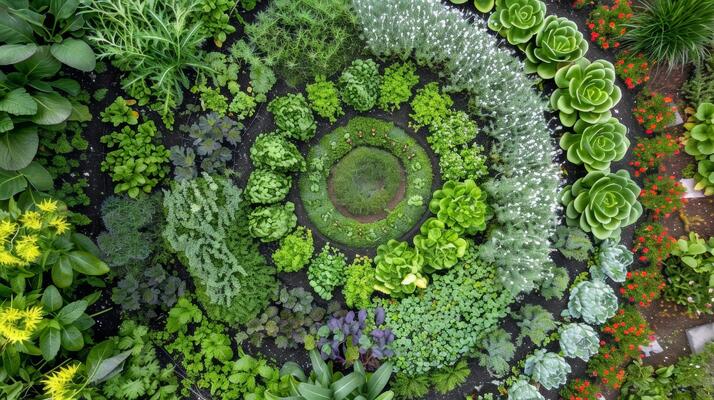
A herb spiral is a permaculture-inspired design that arranges herbs in a circular mound, creating microclimates with varying sun and moisture levels. Surrounding the spiral, vegetables such as carrots, beans, and lettuce are arranged in rows.
The higher levels of the spiral support Mediterranean herbs like rosemary and thyme, while the lower, moist sections house basil and parsley. Integrating vegetables around the spiral creates a balanced, productive, and visually striking garden.
Potager Garden with Decorative Patterns
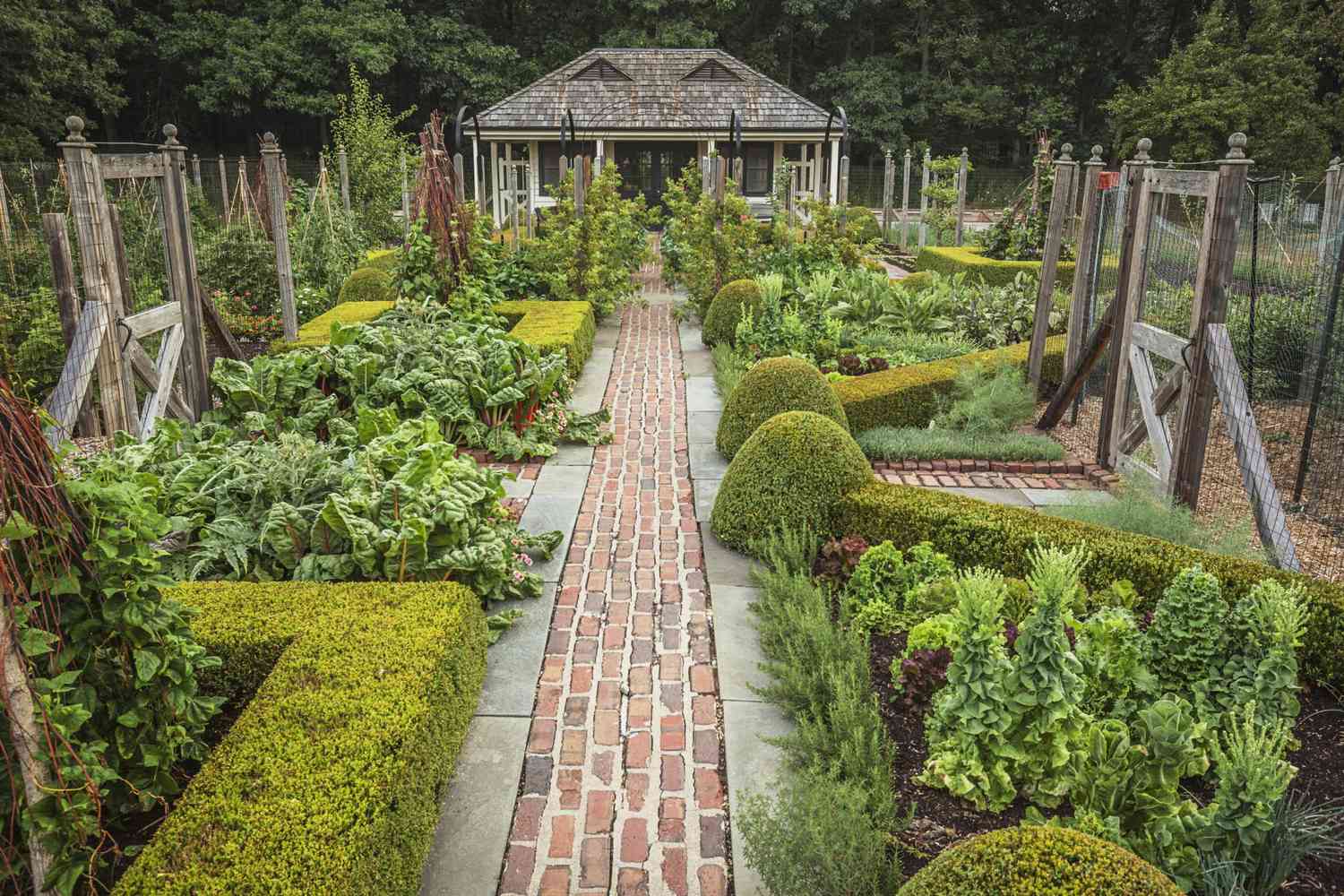
A potager garden layout blends beauty with productivity. Vegetables like kale, Swiss chard, and zucchini are arranged in geometric patterns, while herbs such as lavender, sage, and oregano fill in gaps. Adding flowers like marigolds not only improves aesthetics but also attracts pollinators.
This type of garden layout transforms your vegetable and herb patch into a landscape feature while still yielding abundant produce.
Container Herb and Vegetable Layout for Patios
For those without garden beds, container gardening provides flexibility. Large containers hold vegetables like peppers and bush beans, while smaller pots host herbs such as chives, basil, and dill. Containers can be rearranged based on sunlight needs, making it a versatile layout for small patios or balconies.
This layout offers control over soil types for different plants, reduces pest risks, and allows experimentation with different combinations.
Benefits of a Smart Vegetable Herb Garden Layout
Improved Plant Health
By grouping plants according to their light, water, and soil needs, a well-planned layout ensures optimal conditions. Herbs such as basil not only thrive near tomatoes but also enhance their flavor.
Higher Yields in Small Spaces
Even in limited areas, layouts like vertical gardens or raised beds can produce significant harvests. Smart use of companion planting helps maximize productivity.
Pest and Weed Control
Strategically placing herbs around vegetables reduces the need for chemical pesticides. For instance, marigolds deter nematodes, while mint can ward off aphids.
Aesthetic and Functional Appeal
A good layout turns a vegetable and herb garden into an inviting space. Designs like potagers or spirals make the garden both useful and visually pleasing.
Practical Use Cases for Vegetable Herb Garden Layouts
Use Case 1: Urban Gardening on Balconies
In cities, where space is limited, vertical and container layouts allow people to grow their own fresh herbs and vegetables without needing a backyard. This reduces grocery bills and ensures access to organic produce.
Use Case 2: Family-Friendly Gardens
Families can design layouts that include pathways for children and dedicate sections for quick-growing crops like radishes or lettuce. Herbs such as mint and chamomile add fragrance and educational value for kids learning about plants.
Use Case 3: Restaurants and Culinary Spaces
Chefs often prefer kitchen gardens with layouts that provide easy access to herbs like basil, thyme, and oregano. Pairing these herbs with tomatoes, peppers, and leafy greens ensures a constant supply of fresh ingredients.
Use Case 4: Sustainable Living Projects
Communities focusing on sustainability use garden layouts that incorporate permaculture techniques. Herb spirals, companion planting, and intercropping reduce chemical use and promote soil health naturally.
Frequently Asked Questions
1. What is the best layout for a beginner’s vegetable herb garden?
A raised bed layout is often the best choice for beginners. It allows easy soil management, good drainage, and efficient use of space. Beginners can start with simple herbs like basil and parsley alongside easy vegetables like lettuce and radishes.
2. How do I decide which herbs to plant with vegetables?
Choose herbs that complement vegetables through companion planting. For example, basil pairs well with tomatoes, rosemary protects beans, and dill enhances cabbage growth. The key is to match plant needs for sunlight, water, and soil.
3. Can I grow herbs and vegetables together in containers?
Yes, herbs and vegetables thrive in containers as long as their growing requirements are compatible. Use large containers for vegetables like peppers or beans and smaller pots for herbs. Place them in areas with 6–8 hours of sunlight for the best results.